Blog
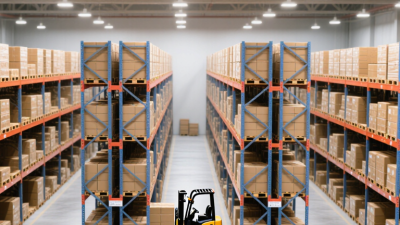
What Is Drive-In Pallet Racking?
Drive-In Pallet Racking is a high-density storage system that lets forklifts enter storage lanes to place and retrieve pallets. Unlike selective rack, it uses fewer access aisles, so more floor area can hold inventory. That difference matters in a chilled warehouse, a seasonal stockroom, or any site where space is costly. Inside each lane, pallets rest on support rails while the forklift moves carefully between the rack frames. Carefully. Most layouts work best when many pallets share a product and rotation needs are predictable. Because access is usually from one end, the system commonly follows last-in, first-out (LIFO) handling. This can be a practical compromise, not a universal answer.
Before specifying a system, managers should compare pallet dimensions, load weights, forklift turning clearance, lane depth, and stock rotation. Consistent pallets help; damaged or irregular loads can complicate placement and retrieval. Rack capacity and layout should be verified by a qualified designer against site conditions and equipment. Clear operating rules, trained drivers, and routine inspections matter because forklifts work close to rack structures. Keep lanes orderly. Not every warehouse benefits. High density may come at the cost of selectivity, and blocked access can slow picking. That trade-off deserves a real review, not a quick assumption. This guide explains how Drive-In Pallet Racking works, where it fits, and what to check before installation.
Read more »
 By:Charlotte
- November 12, 2026
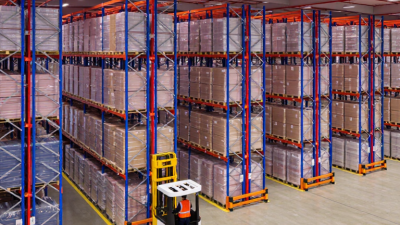
What Is the Best Deep Lane Pallet Racking System in 2026?
Choosing the best Deep Lane Pallet Racking system in 2026 starts with the pallets, the building, and the work happening between shifts. A freezer warehouse handling uniform loads has different needs from a busy distribution center with changing stock. Measure pallet dimensions, load weights, aisle space, ceiling height, and daily throughput before comparing systems. Small details matter: a few centimeters of clearance can affect safe placement and access.
Deep Lane Pallet Racking can increase storage density by placing pallets several positions deep. That gain comes with trade-offs. Operators may have less direct access to individual pallets, and product rotation, forklift type, and replenishment routines all influence the right configuration. The best choice is not automatically the one with the greatest capacity. It should fit the inventory profile and the people who use it.
One practical design principle is: “Storage density only helps when the operating method fits the stock.” I can’t responsibly attribute that wording to a named industry expert without a verifiable source. A credible 2026 comparison should use a sourced expert quotation, then examine drive-in and drive-through layouts, load compatibility, safety features, installation requirements, and total lifecycle cost. It should also acknowledge uncertainty: supplier estimates may not reflect real picking patterns. Before committing, test the proposed layout against actual pallet data and forklift movements. A paper plan can look convincing. The aisle tells the truth.
Read more »
 By:Emily
- November 7, 2026
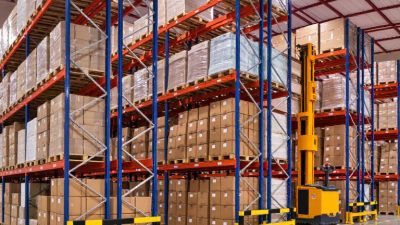
Why Choose Double Deep Pallet Racking for Your Warehouse?
Warehouse managers often face a familiar constraint: more pallets, limited floor space, and costly expansion. Double Deep Pallet Racking can increase storage density by placing two pallet positions behind one another. This layout may reduce the number of aisles required compared with single-deep storage, depending on the building and rack design. It can suit operations holding several pallets of the same product, where every pallet does not need immediate access. A compatible reach truck retrieves the rear pallet. Small detail, big impact. However, the front pallet must be moved first, adding a handling step. That can affect picking pace, stock rotation, and replenishment schedules. The extra density is useful. The trade-off is real.
A sound decision starts with the inventory, not just the floor plan. Measure aisle widths, ceiling height, pallet dimensions, and the working space needed by the selected truck. Confirm rack capacity with a qualified supplier, using actual load weights and pallet conditions. Check how often rear positions will be accessed. For example, fast-moving mixed products may create more delays than steady, high-volume stock. A short trial or layout review can reveal awkward turns and blocked access before installation. Do not assume that every saved aisle becomes usable storage; columns, fire equipment, and staging areas still need space. Even a well-planned system can feel cumbersome during a busy shift. That is worth admitting. When product profiles and handling routines fit the layout, Double Deep Pallet Racking can balance storage density with practical access. The best choice is the one warehouse staff can operate safely and consistently.
Read more »
By:Emily
- November 2, 2026
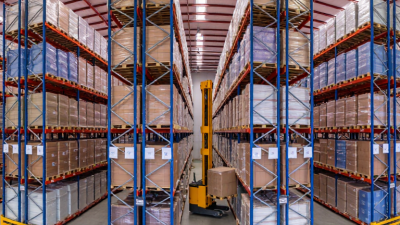
China Top 10 Very Narrow Aisle Racking Suppliers?
Choosing among China’s top 10 Very Narrow Aisle Racking suppliers requires more than comparing catalog prices. This guide examines manufacturers through practical warehouse criteria, including design capability, production control, installation support, and after-sales service. A reliable supplier should understand pallet dimensions, load weights, floor conditions, and forklift turning requirements. Small measurement errors can reduce storage capacity or create unsafe working distances.
The evaluation also considers factory experience, engineering documentation, quality inspections, export history, and completed warehouse projects. Photographs can help, but verified project details matter more. Look for accurate load calculations, clear steel specifications, stable powder coating, and documented testing procedures. Suppliers should also explain how their systems integrate with turret trucks, wire guidance, warehouse software, and emergency access planning.
Some companies may offer excellent pricing but limited engineering support. Others may provide stronger technical advice with higher initial costs. That difference deserves careful attention. No supplier list remains perfect forever. Product quality, service teams, and production capacity can change. This comparison should therefore support further verification, not replace it.
Readers can use the shortlist to compare quotations, request reference projects, and inspect sample components before making a decision. Local building requirements and workplace safety rules must also be confirmed with qualified professionals. The strongest supplier is not always the cheapest. It is the one that delivers a practical, traceable, and maintainable storage solution for the warehouse’s real operating conditions.
Read more »
By:Charlotte
- October 28, 2026
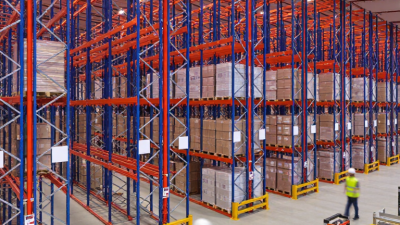
2026 Best Narrow Aisle Pallet Racking Systems for Warehouses
Choosing the best Narrow Aisle Pallet Racking system in 2026 requires more than comparing beam prices. Warehouse teams must examine aisle width, lift-truck technology, pallet dimensions, turnover rates, and future product changes. A dense layout can look efficient on paper. It may still slow picking when operators face poor visibility, damaged pallets, or awkward replenishment routes.
Industry data supports this careful approach. MHI’s 2024 Annual Industry Report identifies warehouse automation, robotics, and inventory visibility as major investment priorities. The report also highlights continuing pressure to improve productivity while controlling operating costs. CBRE’s 2024 Global Logistics Occupier Survey similarly shows that occupiers are pursuing smarter, more productive facilities as space remains expensive. These findings make vertical storage attractive, but density alone is not the answer.
“Storage density matters only when access remains practical,” says John Hill, a former Warehousing Education and Research Council leader, describing a principle that fits narrow-aisle design. That sentence deserves attention. A racking system is not successful if every retrieval becomes a bottleneck. In real warehouses, operators notice small details: a truck mast brushing a guardrail, a pallet overhanging its beam, or a charger blocking a travel path.
This guide compares leading Narrow Aisle Pallet Racking solutions for 2026. It considers selective narrow-aisle racks, very-narrow-aisle systems, guided trucks, safety features, installation quality, and lifecycle value. Recommendations remain conditional. Warehouse data changes. So should the decision.
Read more »
By:Emily
- October 23, 2026
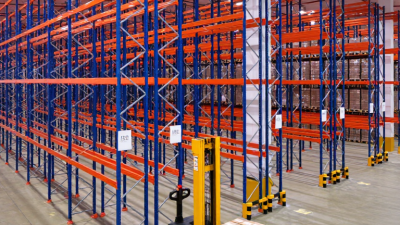
What Is Wide Aisle Pallet Racking?
Wide Aisle Pallet Racking remains one of the most recognizable storage systems in modern warehouses. It uses generous aisle widths, often around 3 to 3.6 meters, allowing conventional forklifts to reach individual pallets directly. This arrangement supports clear stock rotation, straightforward inspection, and flexible pallet positions. It is not the densest option. However, it often provides dependable access.
Warehouse decisions now face stronger pressure from labor shortages, changing inventories, and limited industrial space. The 2024 MHI Annual Industry Report highlights continued investment in warehouse technology, visibility, and operational efficiency. CBRE’s 2024 North American Industrial & Logistics Occupier Survey also reflects persistent concern about space availability and logistics performance. These findings make rack design more than a purchasing decision. It becomes a daily operating decision.
A well-planned Wide Aisle Pallet Racking layout should match pallet dimensions, forklift turning requirements, building columns, fire protection, and expected throughput. A 1,000-kilogram pallet may appear simple on a drawing, yet its handling speed can change the whole aisle plan. Operators need safe sightlines and enough clearance at rack ends. Small errors become expensive during peak periods.
That assumption deserves scrutiny.
Wide aisles can reduce storage density compared with narrow-aisle or very-narrow-aisle systems. Still, they may reduce equipment complexity and simplify training. The right choice depends on product variety, access frequency, floor area, and future growth. This guide explains how the system works, where it performs well, and which practical limitations deserve attention before installation.
Read more »
 By:Ethan
- October 18, 2026
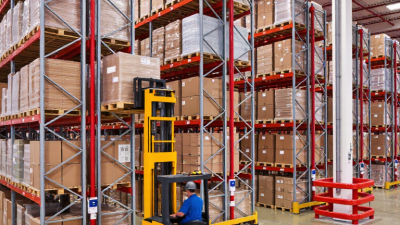
What Is Standard Pallet Racking and How Does It Work?
Standard Pallet Racking remains one of the most practical storage systems in modern warehouses. It uses upright frames, horizontal beams, and adjustable levels to hold palletized goods. Forklifts place pallets into open rack bays. Workers can then access individual loads without moving an entire row.
The system looks simple. The engineering is not.
MHI’s 2024 Annual Industry Report found that 83% of respondents expected to increase supply chain technology and innovation investment within the next two years. That investment does not eliminate basic storage needs. Instead, it makes reliable rack layout, inventory visibility, and safe material handling more important. A barcode may identify a pallet, but the rack must still support it.
The Rack Manufacturers Institute emphasizes that pallet rack should be treated as a structural system, not ordinary furniture. Industry engineer John J. D’Angelo summarizes the principle clearly: “Pallet rack is a structural system, and it must be treated as one.” This means load ratings, beam spacing, floor conditions, impact protection, and inspection routines deserve careful attention.
OSHA’s warehouse guidance also stresses stable stacking, clear aisles, and protection from struck-by hazards. These details matter beside a busy loading dock, where a small collision can bend an upright or loosen a connection. Standard Pallet Racking is flexible, affordable, and easy to expand, but it is not automatically safe. Poor labeling, uneven loading, or forgotten damage can undermine the whole design. The following sections explain how the system works, where it performs well, and what warehouse planners sometimes overlook.
Read more »
By:Ethan
- October 13, 2026
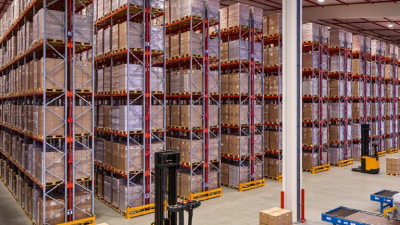
2026 Top Heavy Duty Pallet Racking Systems?
Choosing the right Heavy Duty Pallet Racking system in 2026 requires more than comparing load capacities and prices. Warehouses now face heavier products, faster order cycles, tighter floor plans, and higher expectations for traceability. A pallet beam may look strong, yet poor aisle planning can waste valuable cubic space. Small details matter.
The MHI 2024 Annual Industry Report found that 55% of supply chain professionals planned to increase technology investment. That finding matters because modern pallet storage increasingly connects with warehouse management systems, scanners, conveyors, and automated vehicles. However, automation does not solve weak rack design. It can make mistakes happen faster. The Rack Manufacturers Institute’s ANSI MH16.1 standard remains an important reference for industrial steel storage rack design and performance. Buyers should also review seismic conditions, forklift impact risks, pallet quality, beam deflection, and required safety clearances.
This 2026 guide compares major Heavy Duty Pallet Racking configurations, including selective, drive-in, double-deep, push-back, and pallet flow systems. Each option serves a different operating pattern. Selective racks offer direct access, while high-density systems improve storage efficiency but may reduce selectivity. That trade-off is often underestimated. Data from industry reports can guide decisions, but warehouse experience still exposes practical problems, such as damaged pallets, uneven floors, and difficult inspections. The strongest system is not always the densest one. It is the system that safely supports daily work, future growth, and disciplined maintenance.
Read more »
By:Charlotte
- October 8, 2026
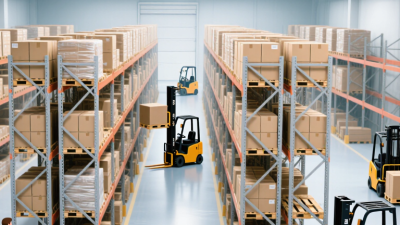
How to Choose the Right Adjustable Pallet Rack in 2026?
Choosing an Adjustable Pallet Rack in 2026 requires more than comparing steel thickness or advertised load capacity. Warehouse operators now face faster inventory turnover, tighter floor space, labor shortages, and changing pallet profiles. The MHI Annual Industry Report identifies resilience, workforce pressure, and digital visibility as major supply-chain priorities. These pressures make flexible storage increasingly valuable. Still, flexibility alone is not a strategy.
A useful principle comes from warehouse-design expert John M. Hill: “The best rack supports the process, not merely the pallet.” That idea should guide every decision. Measure pallet height, weight, aisle width, forklift turning radius, and expected growth. Check beam deflection, frame capacity, floor conditions, and seismic requirements. ANSI MH16.1 and Rack Manufacturers Institute guidance provide important technical references. OSHA requirements also emphasize stable storage and protection against struck-by hazards. A rack can look strong and still be poorly matched.
The numbers may not tell the whole story.
For example, a narrow aisle can increase storage density, yet slow forklift movement. A lower-cost configuration may create higher labor costs later. Industry research from Gartner and MHI also shows that warehouses are investing more heavily in automation and data visibility. Therefore, the right Adjustable Pallet Rack should accommodate today’s products while allowing tomorrow’s handling methods. No choice is perfect. The strongest plan includes professional engineering review, documented inspections, and honest assumptions about growth. That is where experience becomes more valuable than a spreadsheet.
Read more »
By:Ethan
- October 3, 2026
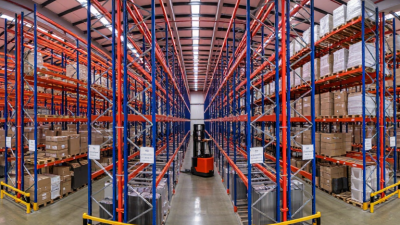
China Top 10 Adjustable Pallet Racking Manufacturers
China’s adjustable pallet racking industry serves warehouses, factories, retailers, and logistics centers worldwide. This guide introduces ten manufacturers known for practical storage solutions and varied production capabilities. It focuses on how each company approaches design, fabrication, quality control, and customer support.
Adjustable Pallet Racking remains popular because its beam levels can change as inventory needs develop. A warehouse may store boxed appliances today and heavier machinery tomorrow. Reliable manufacturers should offer accurate load calculations, durable steel, consistent welding, and clear installation guidance. They should also explain frame dimensions, beam capacities, surface treatment, and safety accessories without hiding technical limits.
Real experience matters here.
Our evaluation considers manufacturing background, engineering expertise, export experience, product customization, and after-sales service. Factory equipment, testing procedures, delivery records, and project feedback can reveal more than attractive brochures. A strong supplier should provide drawings, installation instructions, and load data suited to the actual warehouse floor. Certifications may support credibility, but they do not replace careful inspection or professional engineering advice.
This list is not an absolute verdict. Supplier performance can vary by project, region, and order size. Some companies excel at large distribution centers, while others respond better to smaller custom projects. That difference deserves attention. Buyers should compare quotations carefully, verify references, and confirm whether quoted prices include delivery, installation, and protective components. A polished brochure is not proof. Practical evidence matters more.
Read more »
By:Ethan
- September 29, 2026
10 Pallet Racking Tips for Global Buyers?
Buying Pallet Racking across borders is not simply a price comparison. It is a decision about load safety, warehouse flow, installation quality, and long-term accountability. Global buyers must examine beam capacity, upright dimensions, pallet sizes, floor conditions, corrosion exposure, and seismic requirements before approving a design. A rack that looks identical in photographs may perform differently under local loading conditions.
John M. Mannix, a recognized rack-safety educator, offers a practical reminder: “A rack is only as safe as its weakest connection.” That warning fits international purchasing. Suppliers should provide tested specifications, clear load plaques, installation instructions, inspection procedures, and traceable material information. Buyers should also confirm whether components match the stated system. Small differences matter.
A cheaper quote can hide expensive uncertainty.
This guide, “10 Pallet Racking Tips for Global Buyers,” examines the details that are easy to miss during remote sourcing. It considers supplier experience, engineering support, packaging, shipping protection, replacement parts, and after-sales service. It also explains why local standards and professional installation deserve attention, even when a product appears compliant. No checklist is perfect. I have seen projects focus heavily on unit cost while overlooking uneven floors, damaged uprights, or unclear responsibility after delivery. That is where careful review becomes valuable. Reliable purchasing requires questions, evidence, and a willingness to pause when an answer feels incomplete.
Read more »
By:Emily
- September 29, 2026
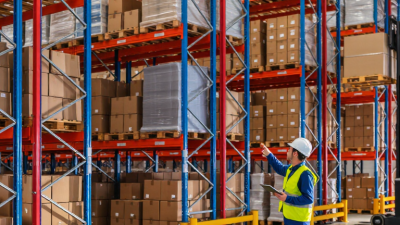
Top 10 Selective Pallet Racking Suppliers Worldwide for Buyers
Selecting a reliable Selective Pallet Racking supplier requires more than comparing catalog prices. Buyers must examine steel thickness, beam capacity, frame design, surface treatment, installation quality, and after-sales support. A rack may look strong under showroom lighting, yet fail to suit uneven floors, narrow aisles, high forklifts, or changing pallet weights. Small details matter.
Warehouse consultant David J. Piasecki offers a useful reminder: “Inventory accuracy is not a counting problem; it is a process problem.” The same principle applies to storage equipment. A supplier should understand your inventory flow, not simply sell standard frames. This guide reviews ten worldwide suppliers through practical buyer concerns, including engineering experience, manufacturing consistency, safety documentation, customization, delivery capability, and service coverage. Their suitability may differ by region, warehouse size, and project complexity.
The ranking is not absolute. It is a starting point.
Experienced buyers should request load calculations, installation references, warranty terms, and clear replacement policies. They should also verify whether the supplier follows recognized technical standards and provides inspection guidance after installation. A low quotation can become expensive when beams arrive late, anchors do not match the floor, or replacement parts cross several borders. These issues are easy to underestimate. We may also overlook communication quality until a project is already delayed. The strongest suppliers combine dependable products with honest technical advice. That balance helps buyers choose Selective Pallet Racking that remains safe, adaptable, and useful as warehouse demands change.
Read more »
By:Ethan
- September 29, 2026