China’s adjustable pallet racking industry serves warehouses, factories, retailers, and logistics centers worldwide. This guide introduces ten manufacturers known for practical storage solutions and varied production capabilities. It focuses on how each company approaches design, fabrication, quality control, and customer support.
Adjustable Pallet Racking remains popular because its beam levels can change as inventory needs develop. A warehouse may store boxed appliances today and heavier machinery tomorrow. Reliable manufacturers should offer accurate load calculations, durable steel, consistent welding, and clear installation guidance. They should also explain frame dimensions, beam capacities, surface treatment, and safety accessories without hiding technical limits.
Real experience matters here.
Our evaluation considers manufacturing background, engineering expertise, export experience, product customization, and after-sales service. Factory equipment, testing procedures, delivery records, and project feedback can reveal more than attractive brochures. A strong supplier should provide drawings, installation instructions, and load data suited to the actual warehouse floor. Certifications may support credibility, but they do not replace careful inspection or professional engineering advice.
This list is not an absolute verdict. Supplier performance can vary by project, region, and order size. Some companies excel at large distribution centers, while others respond better to smaller custom projects. That difference deserves attention. Buyers should compare quotations carefully, verify references, and confirm whether quoted prices include delivery, installation, and protective components. A polished brochure is not proof. Practical evidence matters more.
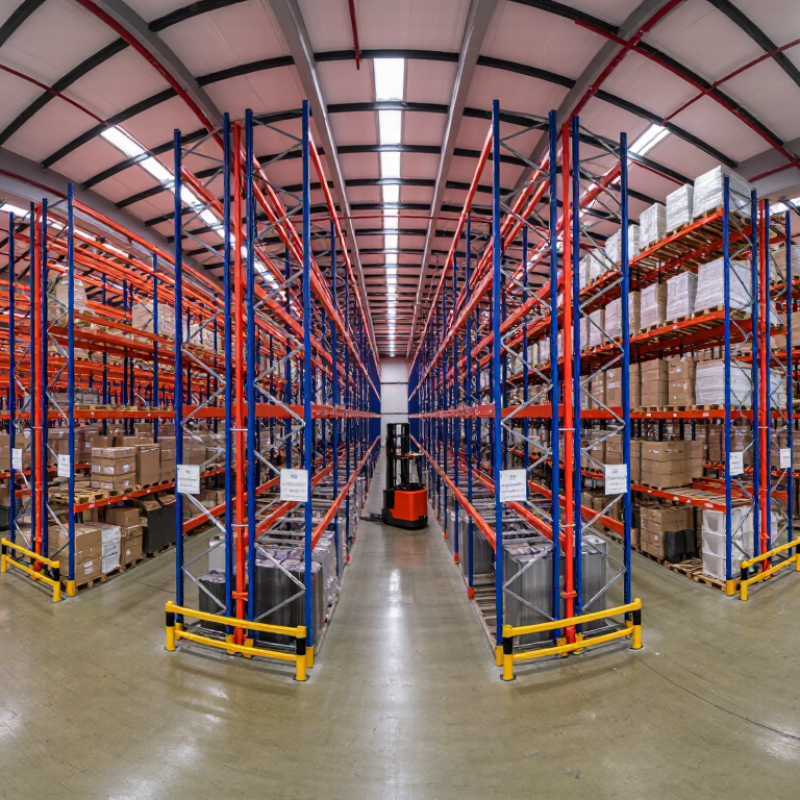
Adjustable Pallet Racking: Types, Features, and Warehouse Applications
Adjustable pallet racking uses upright frames and movable beams to create storage levels for palletized goods. Beam positions can be changed to fit different load heights as inventory needs shift. Selective racking provides direct access to each pallet, making it useful for warehouses with many product lines. Double-deep systems store pallets two positions deep, but require compatible equipment and reduce immediate access to rear pallets. Drive-in layouts can suit larger quantities of similar goods.
The right layout depends on pallet size, load weight, picking frequency, and available floor space. In busy distribution areas, clear aisle widths help forklifts turn without striking uprights. Check that beam connectors are locked and that posted capacity limits match the actual loads. Damaged frames or missing locking pins need prompt attention. Small details matter. A layout that looks efficient on paper may slow workers if frequently picked goods sit too far away.
Tips: Measure loaded pallets, not just the goods. Leave clearance for safe handling, and review rack condition regularly. Reassess after inventory changes; one adjustment can create awkward access elsewhere.
FAQS
It uses upright frames and movable beams to create flexible storage levels. Beam positions can change as pallet heights change. Small adjustments can improve space use.
Selective racking gives direct access to every pallet. It suits warehouses with many product lines and frequent picking. It may use more floor space than denser layouts.
Double-deep systems store pallets two positions deep. They need compatible handling equipment. Rear pallets have slower access, which may affect busy picking areas.
Drive-in layouts can suit large quantities of similar goods. They support dense storage with fewer aisles. Mixed products may become awkward to retrieve.
Measure loaded pallet height, width, depth, and weight. Record forklift clearance and required beam levels. Measuring only the goods can create poor fit.
Aisles should give forklifts enough room to turn safely. Check the equipment’s turning needs, not just the rack footprint. A narrow aisle may look efficient but slow operations.
Confirm beam connectors are locked and locking pins are present. Compare posted capacity limits with actual loads. Damaged frames need prompt attention.
Ask for drawings based on the actual warehouse layout. Request load calculations, floor anchor details, and forklift clearances. A polished quotation is not enough.
Compare material specifications, inspection records, coating details, packaging, delivery terms, and spare parts. Review installation guidance and response times. I would test communication before ordering.
Product sizes, weights, and picking frequency may change. One adjustment can create awkward access elsewhere. The original plan may no longer be ideal.
Conclusion
This article provides a practical guide to Adjustable Pallet Racking, covering its main types, structural features, load capacities, configuration options, and applications in warehouses, distribution centers, and manufacturing facilities. It explains how adjustable systems can improve storage density, inventory access, and operational flexibility while supporting changing business needs. The article also outlines the key criteria for evaluating manufacturers in China, including product quality, engineering capabilities, material standards, testing procedures, production capacity, certifications, delivery performance, installation support, and after-sales service.
A detailed comparison framework is included to help readers assess suppliers according to their product range, customization ability, manufacturing resources, quality control, and service coverage. The final section highlights important purchasing considerations such as warehouse layout, pallet specifications, safety requirements, budget, lead time, communication efficiency, and long-term maintenance. By applying these criteria, buyers can select a reliable Chinese racking supplier that offers suitable solutions, consistent quality, and dependable support for their operational goals.