Engineering response within 24 hours English
0%

Buying Pallet Racking across borders is not simply a price comparison. It is a decision about load safety, warehouse flow, installation quality, and long-term accountability. Global buyers must examine beam capacity, upright dimensions, pallet sizes, floor conditions, corrosion exposure, and seismic requirements before approving a design. A rack that looks identical in photographs may perform differently under local loading conditions.

John M. Mannix, a recognized rack-safety educator, offers a practical reminder: “A rack is only as safe as its weakest connection.” That warning fits international purchasing. Suppliers should provide tested specifications, clear load plaques, installation instructions, inspection procedures, and traceable material information. Buyers should also confirm whether components match the stated system. Small differences matter.

A cheaper quote can hide expensive uncertainty.

This guide, “10 Pallet Racking Tips for Global Buyers,” examines the details that are easy to miss during remote sourcing. It considers supplier experience, engineering support, packaging, shipping protection, replacement parts, and after-sales service. It also explains why local standards and professional installation deserve attention, even when a product appears compliant. No checklist is perfect. I have seen projects focus heavily on unit cost while overlooking uneven floors, damaged uprights, or unclear responsibility after delivery. That is where careful review becomes valuable. Reliable purchasing requires questions, evidence, and a willingness to pause when an answer feels incomplete.
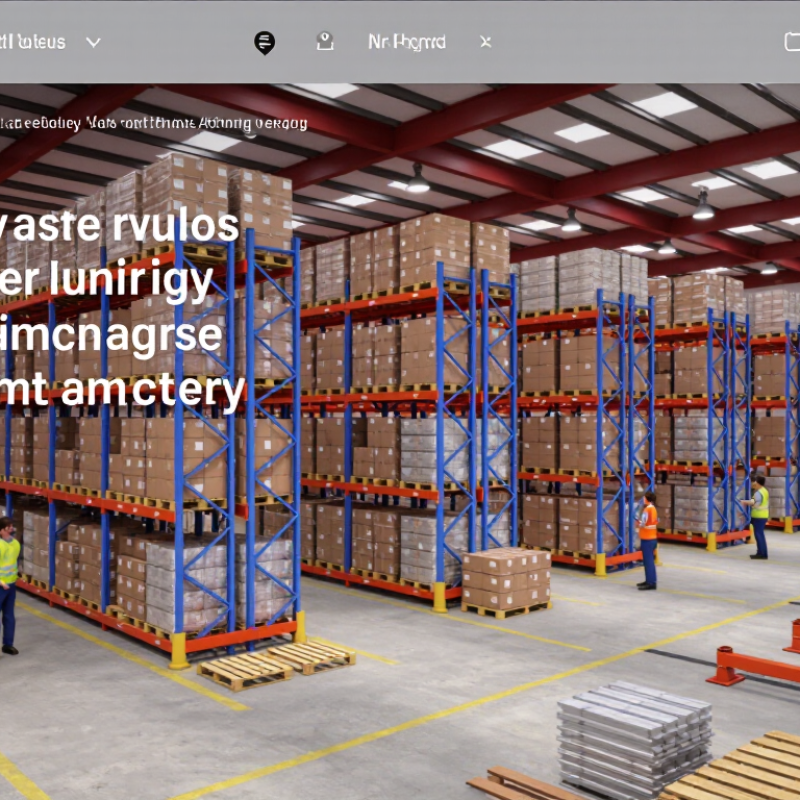
10 Pallet Racking Tips for Global Buyers?

Define Pallet Standards: EUR 1,200×800 mm and ISO 1,200×1,000 mm

10 Pallet Racking Tips for Global Buyers

Define the pallet standard before selecting any pallet racking system. The EUR pallet measures 1,200 × 800 mm, while the ISO format commonly measures 1,200 × 1,000 mm. These differences affect rack depth, beam spacing, aisle width, and forklift movement. A rack designed for EUR pallets may waste space or create unsafe overhangs when used with wider ISO pallets.

Measure the actual pallet, not only the specification sheet. Timber pallets can vary slightly after repeated handling, moisture exposure, or repairs. During site surveys, check pallet entry direction, deck-board condition, and load distribution. A 1,200 mm length may face the beams or run into the rack, producing different clearance requirements. Small errors matter.

Allow practical operating clearance. Pallets should sit securely on beams or supports without excessive projection. Confirm the rated load for each bay and level, including the pallet weight and stored goods. Mixed pallet sizes need a clear storage policy, or operators may place them incorrectly. That happens more often than expected. Floor flatness, upright protection, and guide signage also deserve attention. I have seen well-designed layouts underperform because real pallets were less uniform than the original drawings suggested. Recheck dimensions before fabrication.

Verify Rack Loads and Deflection Under EN 15512 and ANSI/RMI MH16.1

Global pallet-rack buyers should verify capacity before comparing prices. Request calculations for each beam level, upright frame, connector, and base plate. The design should follow the current EN 15512 or ANSI/RMI MH16.1 edition required for the installation location. Do not rely on a load sign alone. Confirm pallet weight, dimensions, load distribution, lift-truck impact, floor capacity, and seismic conditions. A small difference in pallet placement can change the real demand.

Tip: Ask for a signed design package.

Check beam deflection under the stated service load, not only ultimate strength. The supplier should identify the applicable deflection limits and explain how they were calculated. Compare the assumptions with actual operations: two pallets may not sit evenly, and damaged pallets can create concentrated loads. Review upright sway, frame tolerances, anchorage, and clearances around sprinklers. Photographs of loaded bays can support the review, but they do not replace engineering documents.

Keep records on site. Include approved drawings, load plaques, inspection dates, and any changes to beam levels. Never increase capacity by adding components without recalculation. That shortcut is common. It is also risky. A tidy spreadsheet may still miss slab cracking, impact history, or uneven loading. Independent review is sensible when the rack is tall, heavily loaded, exposed to seismic forces, or used in a busy warehouse. Standards guide the design, but accurate field information makes the result dependable.

Set Aisle Widths Around Forklift Needs, Typically 2.4–3.7 m

In warehouse planning, aisle width should begin with the forklift, not the rack drawing. A common working range is 2.4 to 3.7 meters. The correct measurement depends on truck type, load size, mast height, and turning behavior. A narrow aisle may save storage space. It can also slow every movement. I have watched operators reverse repeatedly when pallets overhang the beams. That small delay becomes expensive during busy shifts.

Measure the forklift’s turning radius with its largest planned load. Then add clearance for pallet deflection, floor markings, and human error. Do not copy a catalog dimension without testing it on site. A loaded truck behaves differently. Mark a trial aisle with tape and run normal receiving and picking tasks. Check visibility at intersections, rack ends, and emergency access points. Separate pedestrian paths where possible, especially near loading doors.

Global buyers should request drawings showing clear aisle dimensions, not only centerline spacing. They should also verify floor flatness, rack protection, and operator training requirements with qualified local professionals. Regional safety rules may change the usable width. That detail is easy to overlook. I once assumed a wider aisle was automatically safer, but poor visibility created another risk. Review the layout after a week of real operation.

10 Pallet Racking Tips for Global Buyers? - Set Aisle Widths Around Forklift Needs, Typically 2.4–3.7 m

Tip Planning Dimension Recommended Reference Typical Data or Range Why It Matters
1 Forklift operating aisle Size the aisle from the actual truck specification, not only from pallet dimensions. 2.4–3.7 m Typical clear aisle widths vary by forklift type, load size, lift height, steering geometry and required operating clearance.
2 Counterbalance forklift aisle Allow additional turning space for conventional front-steered equipment. 3.2–3.7 m Counterbalance trucks generally require wider aisles than reach or articulated trucks because the counterweight and turning path increase clearance needs.
3 Reach truck aisle Use the manufacturer’s rated turning radius and right-angle stacking requirement. 2.7–3.0 m Reach trucks can operate in narrower aisles than counterbalance trucks, but the final width depends on load depth, lift height and pallet overhang.
4 Narrow-aisle truck aisle Confirm whether the truck requires a guide rail, wire guidance or a specially prepared floor. 2.4–2.7 m Narrow-aisle equipment improves storage density but may require tighter floor flatness, clearer operating rules and compatible rack protection.
5 Standard pallet footprint Design the beam length and rack depth around the pallets used in the target country. 1,200 × 800 mm or 1,200 × 1,000 mm European and industrial pallet footprints differ by market. Mixing pallet sizes without a layout check can reduce support, clearance and usable capacity.
6 Longitudinal pallet clearance Provide clearance between adjacent pallets and the rack frame. 75–100 mm per pallet position Clearance helps prevent pallet contact during placement and allows for normal dimensional variation in pallets, loads and wrapping.
7 Beam deflection limit Check the design standard and the supplier’s stated load rating for every beam level. Common design limit: span ÷ 200 A 2,700 mm beam span using a span-to-200 criterion would have a reference deflection limit of approximately 13.5 mm under the specified working load.
8 Vertical load clearance Leave space above the load for safe fork entry, placement and pallet variation. At least 75–100 mm above the load Clearance should be checked against the load height, beam profile, sprinkler arrangement and the truck’s lifting accuracy.
9 Rack protection Protect upright frames and end-of-aisle locations exposed to vehicle traffic. Typically 300–600 mm high protection Protectors help reduce impact damage at vulnerable points, but they must not reduce the designed aisle width or obstruct handling operations.
10 Floor and installation tolerance Confirm slab capacity, levelness, joint layout, anchoring and local seismic requirements before installation. Verify against local structural and safety codes Rack performance depends on the building floor and installation conditions. A storage layout should be approved using site-specific structural calculations and operating data.

Note: The dimensions shown are planning ranges only. Final aisle widths, rack capacities, clearances and protection requirements must be verified with the selected forklift, pallet load, floor conditions and applicable local regulations.

Specify Corrosion Protection for Humidity, Temperature, and Seismic Zones

10 Pallet Racking Tips for Global Buyers

Specify Corrosion Protection for Humidity, Temperature, and Seismic Zones

Corrosion protection should match the warehouse environment, not merely the purchase price. The NACE IMPACT study estimated global corrosion costs at about $2.5 trillion annually, equal to 3.4% of global GDP. For coastal or tropical sites, specify galvanized or properly coated steel. ISO 12944 classifies atmospheric corrosivity from C1 to CX, helping buyers define coating performance more precisely. Include humidity, salt exposure, condensation, and cleaning chemicals in the specification.

Temperature changes create hidden risks. Cold storage can make coatings brittle, while warm, humid air may produce condensation on uprights and beam connections. Require documented coating tests, suitable service temperatures, and drainage-friendly details. Keep damaged surfaces visible during inspections. A thick coating is not automatically better. Poor preparation can still cause early failure.

Seismic zones require more than stronger-looking frames. Use the local seismic design standard, approved anchorage details, and verified load assumptions. ASCE 7 provides seismic design criteria widely used for structural equipment in the United States; other regions may apply equivalent national standards. Field inspections often find missing anchors, overloaded levels, or unrecorded modifications. That is uncomfortable, but common. Ask for installation records and inspection intervals. A specification can be technically correct and still fail when warehouse practices change.

Schedule EN 15635 Inspections at Least Once Every 12 Months

10 Pallet Racking Tips for Global Buyers

Schedule an EN 15635 inspection at least once every 12 months. The inspection should be completed by a technically competent person. Daily users should also report bent frames, loose anchors, missing safety pins, and overloaded beams. Tip 1: Mark every rack with its safe working load. Tip 2: Keep inspection records with dates, findings, and corrective actions. EN 15635 supports regular visual checks and formal inspections, but local requirements may demand more frequent reviews.

Warehouse risks are not theoretical. The UK Health and Safety Executive recorded 138 worker deaths in 2023/24. Its workplace transport guidance also highlights falling loads, vehicle impact, and poor traffic control. Tip 3: Separate forklifts from pedestrians where possible. Tip 4: Install visible aisle protection. Tip 5: Repair impact damage before reuse. Tip 6: Never improvise repairs with unapproved welding or replacement parts. One small bend can become a larger failure.

Global buyers should request inspection certificates, load calculations, installation instructions, and maintenance procedures. Tip 7: Check whether the supplier’s design reflects seismic and loading conditions. Tip 8: Verify pallet dimensions and actual unit weights. Tip 9: Photograph damage during each inspection. Tip 10: Review recurring damage with operators and drivers. A clean checklist is not a perfect inspection. In practice, records can look complete while old damage remains open. That weakness deserves attention.

10 Pallet Racking Tips for Global Buyers: Schedule EN 15635 Inspections at Least Once Every 12 Months

EN 15635 requires a documented expert inspection of pallet racking at intervals not exceeding 12 months. Routine visual checks should also be carried out regularly, with the frequency determined by risk, operating conditions, damage history, and site procedures. The 12-month interval is the maximum stated cycle for the expert inspection and should not be treated as a substitute for routine checks.

Reference: EN 15635, Steel static storage systems — Application and maintenance of storage equipment.

FAQS

Why should pallet-rack capacity be verified before comparing prices?

Price means little without load calculations. Request calculations for every beam level, upright frame, connector, and base plate. Use the current structural standard required at the installation site. A load sign alone is not enough.

What load information should buyers provide?

Provide pallet weight, pallet dimensions, load distribution, and storage height. Explain lift-truck traffic and possible impact. Include floor capacity and local seismic conditions. Small placement changes can increase demand.

How should beam deflection be reviewed?

Check deflection under the stated service load, not only ultimate strength. Ask for the applicable limit and calculation method. Two pallets may not sit evenly. Damaged pallets can create concentrated loads.

What rack details require inspection besides beam strength?

Review upright sway, frame tolerances, anchorage, and beam clearances. Check sprinkler clearance around loaded bays. Photographs help show actual conditions. They do not replace engineering documents.

Can extra components increase rack capacity?

Never add components without recalculating the structure. That shortcut feels efficient. It is risky. Changes in beam levels must be recorded and approved.

What records should remain at the warehouse?

Keep approved drawings, load plaques, inspection dates, and modification records. Record impact damage and unusual loading. A neat spreadsheet can still miss slab cracking. Field information matters.

How should corrosion protection be selected?

Match protection to humidity, salt exposure, condensation, temperature, and cleaning chemicals. Coastal and tropical sites may need galvanized or properly coated steel. Cold storage can make coatings brittle. Thick coating is not automatically better.

What should buyers verify for seismic or heavily loaded racks?

Use local seismic requirements, approved anchorage details, and verified load assumptions. Check for missing anchors and unrecorded changes. Independent review is sensible for tall or heavily loaded racks. Warehouse practices can change.

Conclusion

For global buyers, selecting the right Pallet Racking system begins with clear technical specifications. Confirm whether the warehouse uses EUR pallets measuring 1,200 × 800 mm or ISO pallets measuring 1,200 × 1,000 mm, then match beam levels and clearances to the load dimensions. Rack capacity should be verified for every bay and level, including beam deflection and structural performance in line with EN 15512 and ANSI/RMI MH16.1. These checks help ensure stable storage and reduce the risk of overloading.

Aisle planning should reflect the turning radius and operating requirements of the selected forklifts, with typical widths ranging from 2.4 to 3.7 meters. Buyers should also specify corrosion protection according to humidity, temperature changes, and seismic conditions at the installation site. After commissioning, arrange inspections under EN 15635 at least once every 12 months, while carrying out additional checks whenever the rack system is modified, damaged, or exposed to unusual operating conditions.

Emily

Emily

Emily is a professional marketing specialist with a strong understanding of the company’s products, services, and customer needs. She combines market insight, clear communication, and practical product knowledge to create valuable content for readers across different industries. Through the......