ISOCE

Heavy Duty Drive In Pallet Racking
- Load
- 500–2,000 kg / pallet
- Finish
- Hot-Dip Galvanized / Epoxy
- Density
- Up to 85% Volume Gain
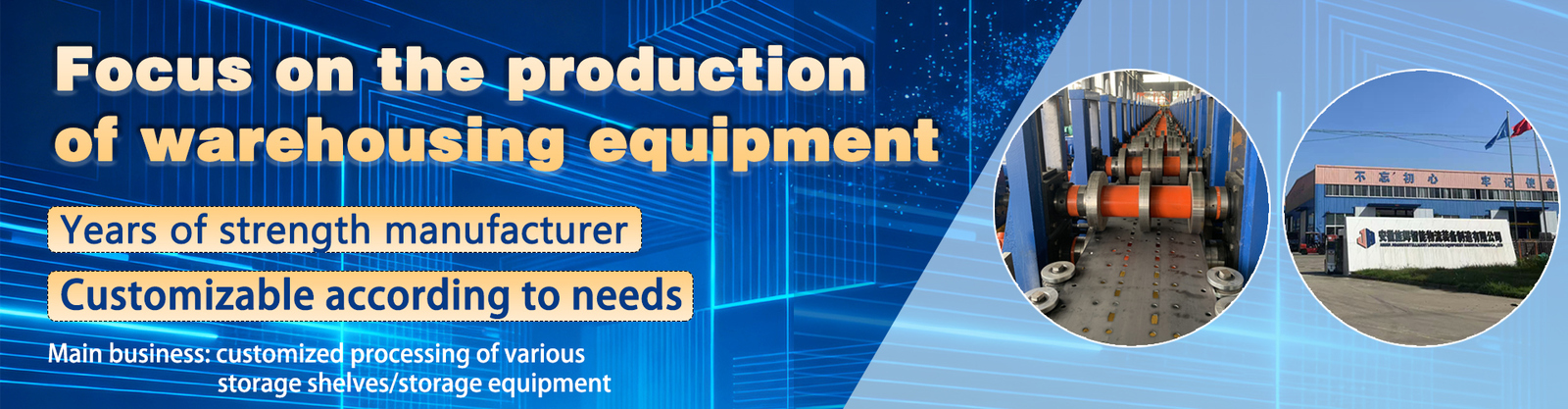
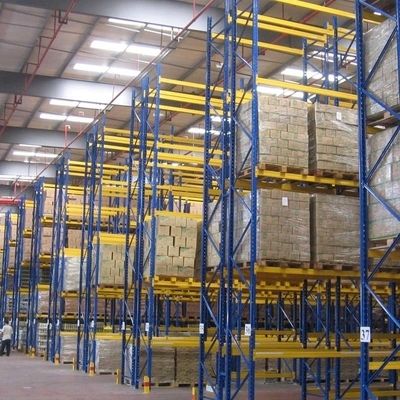
In modern industrial logistics, operating cost control is inextricably tied to volumetric efficiency. Drive In Pallet Racking stands as one of the most effective, field-tested structural racking architectures for maximizing warehouse cubic capacity. By eliminating access aisles required by traditional selective racking systems, Drive In Racking converts up to 80% to 85% of total floor space into productive storage positions.
At IronMax Storage Solutions Co., Ltd., we engineer and manufacture precision cold-rolled Drive In Pallet Racking systems tailored for global procurement managers, cold storage operators, FMCG distributors, and third-party logistics (3PL) providers. Operating out of our advanced manufacturing facility in Shandong, China, our engineering team integrates strict material selection, Finite Element Analysis (FEA), and international design standards (FEM 10.2.07 / RMI / EN 15512) to deliver maximum structural safety and long-term durability.
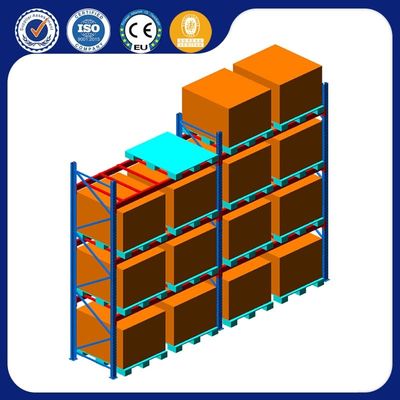
Global warehouse buyers frequently evaluate Drive In Pallet Racking when facing sky-rocketing real estate prices or high energy costs in cold storage facilities. Unlike conventional selective pallet racking—where forklifts pick pallets from aisles located between every pair of rack frames—drive-in systems allow forklifts to physically enter the rack's storage bays to place or retrieve pallets supported on continuous cantilever rails.
Drive-in systems operate on two distinct structural logic configurations based on access entry points:
Because Drive In Racking lacks traditional horizontal load beams across the entry lanes, structural integrity depends on top ties (overhead horizontal bracing), back portal bracing (in single-entry systems), and heavy-duty cantilever support arms anchored to upright frames. IronMax Storage Solutions Co., Ltd. utilizes custom-rolled Omega upright profiles with high section modulus to resist dynamic sway and forklift impact forces during operation.
Every Drive In Pallet Racking project supplied by IronMax Storage Solutions Co., Ltd. is manufactured using high-tensile structural steel (Q235B / Q355B grade) precision roll-formed in-house. A complete system consists of several crucial engineered components:
Explore factory-engineered pallet racking configurations designed for maximum storage efficiency, heavy load handling, and stringent safety compliance.
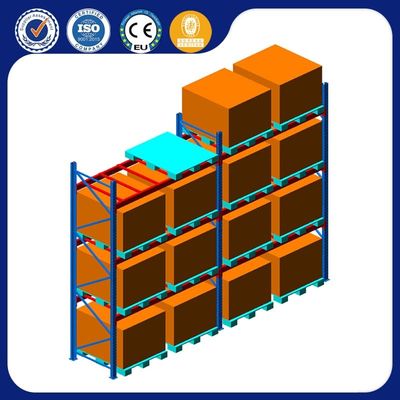

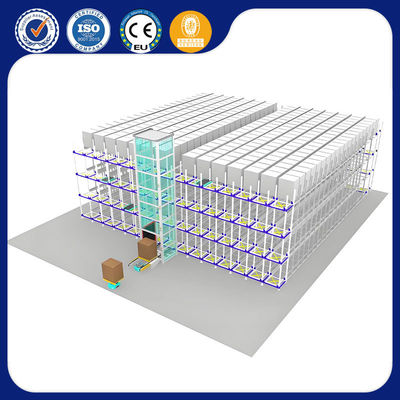

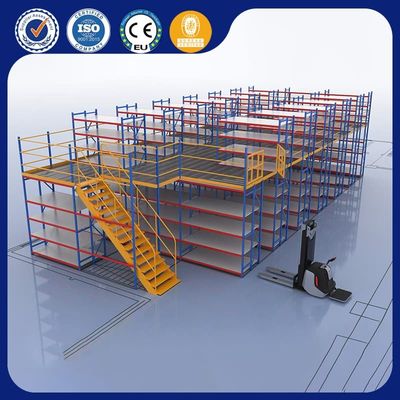
Our engineers provide complete 2D/3D layouts and structural analysis within 24 hours.
Contact UsGlobal logistics managers and procurement executives face shifting economic parameters. Based on procurement data collected across international markets, four core trends are redefining the specification and deployment of Drive In Pallet Racking systems:
Cold storage logistics is experiencing rapid global growth driven by fresh food demand, pharmaceutical cold chains, and frozen product export networks. Operating a refrigerated or sub-zero freezer facility (-18°C to -30°C) costs up to 4 to 5 times more per cubic meter in electricity than ambient warehousing. As a result, procurement strategy has shifted aggressively toward high-density configurations. Drive In Pallet Racking minimizes unconditioned air pockets and maximizes refrigerated air circulation around compact pallet blocks, directly reducing refrigeration power costs by up to 25% per pallet spot stored.
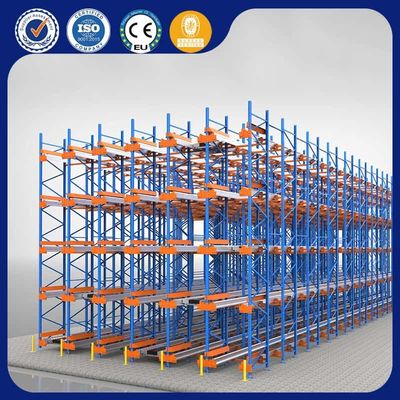
While fully automated AS/RS systems require massive upfront capital expenditures ($1M+), global buyers increasingly seek modular high-density frameworks. Modern Drive In Racking designed by IronMax Storage Solutions Co., Ltd. features standardized rail spacings and structural tolerances that allow seamless future retrofitting into semi-automated Radio Shuttle systems without dismantling upright frames. This future-proof capability lowers initial CAPEX while reserving an upgrade path for warehouse automation.
International building codes (such as US IBC, Eurocode 8, and Australian AS4084) now enforce strict seismic load compliance for industrial pallet racking. Because drive-in racking relies on un-braced forklift corridors, seismic movement can induce severe torsional stresses on upright columns. Modern procurement specifications mandate FEA stress modeling, thick floor anchor baseplates, high-grade anchor bolts (M12 to M16 chemical anchors), and top structural tie-frames engineered specifically for local seismic zone acceleration factors.
Environmental standards in Europe, North America, and Australia are placing greater weight on product lifecycle sustainability. Overseas buyers now demand certified raw steel traceability and eco-friendly coating processes. IronMax utilizes zero-emission electrostatic epoxy powder coating lines and eco-compliant hot-dip galvanizing, ensuring 15+ year operational lifespans without toxic off-gassing or premature rusting in high-moisture environments.
Selecting the optimal pallet storage system requires analyzing SKU diversity, pallet rotation, throughput volume, and initial capital budget. The comparative matrix below outlines key engineering metrics across primary warehouse racking types:
| Racking Architecture | Volume Utilization | SKU Diversity Suitability | Stock Flow Logic | Forklift Travel Inside Frame | Relative CAPEX per Pallet Spot |
|---|---|---|---|---|---|
| Drive In Pallet Racking | 80% - 85% | Low (Few SKUs, High Volume) | LIFO (Last-In, First-Out) | Yes (Forklift enters lane) | Low - Medium |
| Drive Through Racking | 75% - 80% | Low - Medium | FIFO (First-In, First-Out) | Yes (Drives through frame) | Medium |
| Selective Pallet Racking | 35% - 45% | High (100% Selectivity) | FIFO / LIFO Any | No (Aisle operation only) | Lowest Base CAPEX |
| Push Back Racking | 65% - 75% | Medium (2-6 Pallets / SKU) | LIFO (Gravity Carts) | No (Aisle face picking) | Medium - High |
| Radio Shuttle Racking | 85% - 90% | Medium - High | FIFO / LIFO Switchable | No (Robotic Shuttle inside lane) | Higher Initial CAPEX |
| Very Narrow Aisle (VNA) | 60% - 70% | High (100% Selectivity) | FIFO / LIFO Any | No (Guided Turret Truck) | Medium (Truck Dependent) |
Over the past decade, structural engineering advancements have transformed drive-in racking from basic channel frames into highly sophisticated, damage-resistant structural storage assets. Key engineering improvements pioneered by manufacturers like IronMax Storage Solutions Co., Ltd. include:
The entry point of each drive-in lane experiences the highest rate of accidental forklift bump contacts. Modern IronMax designs feature cast-steel or heavy 8mm reinforced flared entry brackets. These "bullet-nose" guide entry components gently deflect forklift tines and chassis side plates back into alignment as the vehicle enters the lane, preventing structural notch damage to main upright columns.
Traditional rigid brackets suffered from stress concentration at the weld joints under maximum payload bending moments. IronMax engineers use finite element analysis to optimize bracket geometric profiles, redistributing moment forces over a broader section of the upright profile. High-tensile grade 8.8 structural bolts ensure zero joint slip under maximum static and dynamic loading.
High-density drive-in bays reaching heights of 8 to 12 meters require exceptional floor flatness (FF/FL ratings). IronMax provides laser-cut steel leveling shims (1mm to 5mm thickness) and heavy-duty expansion or chemical anchor bolts. Proper anchoring guarantees that lateral deflection remains well within permissible FEM tolerances (typically less than H/200 under full rated load).
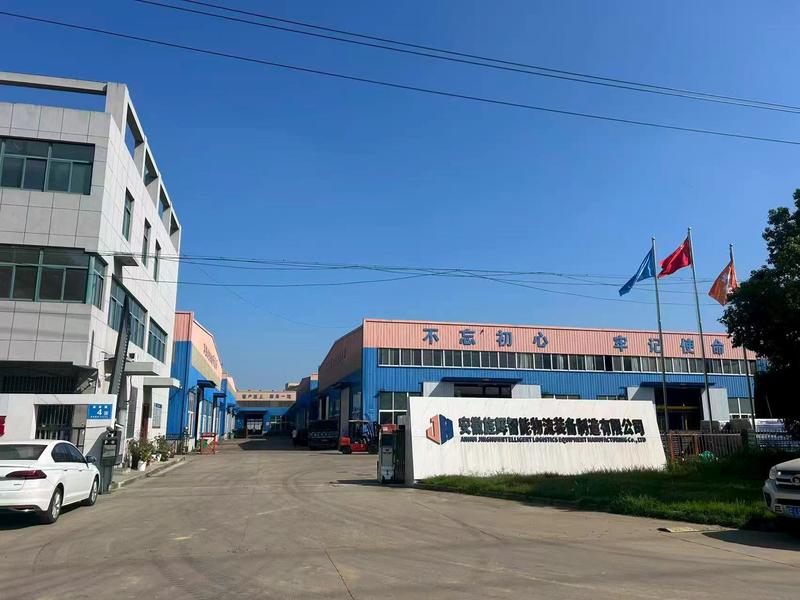
Founded with a dedicated commitment to industrial storage equipment manufacturing, IronMax Storage Solutions Co., Ltd. operates state-of-the-art roll forming and metal fabrication lines in Shandong Province, China. Our engineering department handles complete layout design, structural load calculations, FEA simulation, and custom component manufacturing for B2B buyers worldwide.
We eliminate supply chain middle-tier costs while delivering certified structural integrity for international industrial procurement projects.
Our structural engineers calculate exact column profiles, arm brackets, and bracing schedules tailored to your pallet weight, building clearance, and local seismic requirements.
We source prime structural coil steel (Q235B / Q355B grade) directly from tier-1 steel mills. Mill test certificates (MTC) are provided with every shipment container.
Every production batch undergoes weld penetration checks, paint adhesion cross-hatch tests, dimensional tolerance verifications, and physical load deflection tests.
Components are bundled with steel strapping, protective corner guards, and plastic wrapping. Steel frames are container-packed for damage-free ocean transportation.
Share warehouse drawings, pallet dimensions, loads, & forklift details.
Receive custom CAD layout, structural load specs, and factory quote.
Precision roll forming, robotic welding, surface finishing & inspection.
Export container loading, installation manuals, & remote engineering help.
Tested and trusted high-density storage hardware delivered to warehouse projects across South America, Southeast Asia, the Middle East, Europe, and North America.
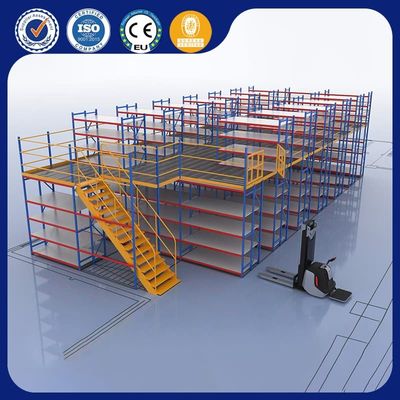


IronMax engineered a custom 6-level Drive In Pallet Racking system for our cold storage expansion project. Space utilization increased by 78%, and the structural strength under sub-zero conditions is exceptional!— Warehouse Director, Global Cold Chain Logistics Firm
Specify hot-dip galvanizing for uprights and pallet rails in sub-zero freezers to eliminate paint flaking and prevent moisture-induced steel corrosion.
Anchor 100mm ground guide angle rails to protect upright frames from forklift steering misalignments inside deep drive-in lanes.
Ensure standard pallet dimensions (e.g. 1200×1000mm Euro or GMA pallets) with uniform bottom runner orientation for safe rail seating.
Send your facility CAD drawings, pallet specifications, and payload requirements to our engineering team today. We provide full layout proposals, structural load calculations, and competitive factory-direct pricing within 24 hours.
Practical design principles, safety guidelines, and procurement advice for warehouse logistics professionals.
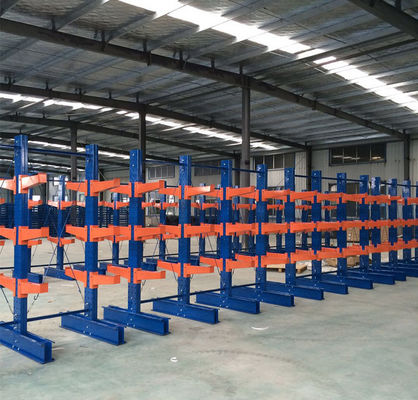
A comparative structural analysis evaluating Selective, Drive-In, Push Back, and Radio Shuttle systems based on SKU count and handling speed.
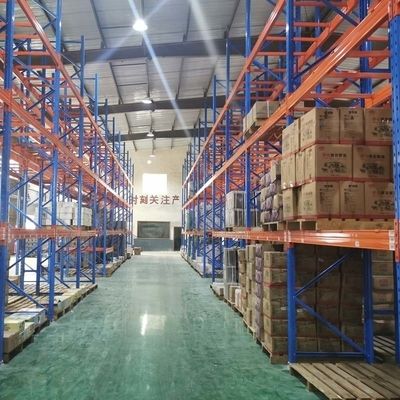
Key parameters for B2B buyers: pallet overhang clearances, forklift mast dimensions, floor load ratings, and seismic bracing compliance.
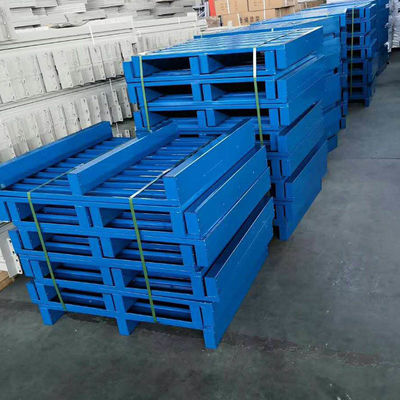
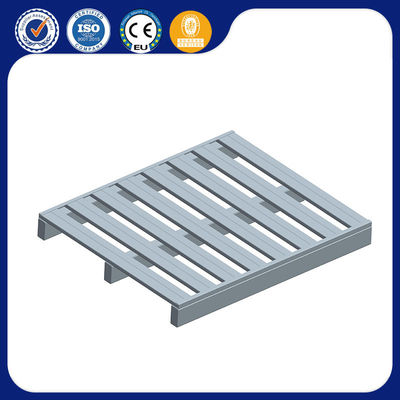
Why heavy galvanized steel pallets provide unmatched structural rigidity and non-deflecting bottom runners inside drive-in rail channels.
Proven safety upgrades: floor guide angle profiles, reinforced upright boot protectors, and high-visibility powder coating finishes.
Detailed engineering answers to common technical queries raised by global logistics managers and buyers.
Drive In Pallet Racking is best suited for operations characterized by high volume per SKU (typically 10 or more pallets per individual SKU), homogeneous goods, batch manufacturing, and seasonal or non-perishable inventory. If your warehouse prioritizes maximum volumetric floor density (up to 80-85% volume utilization) over immediate 100% pallet selectivity, Drive-In Racking is the most cost-effective structural solution available.
Standard engineering practices mandate a minimum lateral clearance of 75mm to 100mm on each side between the widest point of the forklift chassis/pallet payload and the inner edges of the pallet support rails. Ground-mounted steel guide rails (usually 100×75×6mm steel angles or heavy C-channels) should be installed along the lane length to physically steer forklift tires and prevent column impacts.
Drive In Racking requires significantly lower initial capital expenditure (CAPEX) because it consists entirely of mechanical static steel components without automated electronic shuttles. However, Radio Shuttle systems reduce operational expenditure (OPEX) in cold rooms (-25°C) by keeping forklifts outside the freezing lanes, which minimizes driver cold exposure, speeds up pallet cycles, and reduces energy consumption from open door times.
IronMax Storage Solutions Co., Ltd. designs, calculates, and manufactures Drive In Pallet Racking systems in compliance with recognized international standards, including European FEM 10.2.07 / EN 15512, US RMI (Rack Manufacturers Institute) specification ANSI MH16.1, and Australian AS4084 standards. Every layout design undergoes Finite Element Analysis (FEA) to verify load capacity under static, dynamic, and seismic conditions.
For sub-zero cold rooms and high-humidity environments, Hot-Dip Galvanizing (HDG) per ISO 1461 is highly recommended. The hot-dip zinc coating creates a metallurgical iron-zinc alloy bond that prevents rust formation caused by temperature fluctuations and condensation. Alternatively, our cold-storage qualified epoxy-polyester powder coating provides outstanding chip resistance and durable protection for ambient or dry cold rooms.
In high-cost warehouse environments—especially cold storage facilities where operational costs range from $150 to $300 per square meter annually—upgrading from selective racking to Drive In Pallet Racking typically yields a complete return on investment (ROI) within 12 to 18 months. The payback is achieved through immediate 50%-80% storage capacity expansion without expanding building footprints or leasing external storage space.
We implement comprehensive export packing protocols. Heavy upright frames and pallet rails are bundled with high-tensile steel strapping, corner protectors, and heavy plastic shrink wrap. Small hardware components, bolts, baseplates, and bracket arms are packed in reinforced wooden crates or heavy-duty corrugated cartons. Containers are loaded with weight-balanced floor blocking to prevent shifting or coating abrasion during ocean transport.