1. Semantic Intent & Technical Necessity: Why Switch to Aluminum Industrial Pallets?
Global logistics managers evaluating material handling assets must balance dynamic strength, sanitary compliance, tare weight overheads, and long-term durability. Traditional timber pallets introduce severe risks in high-tech supply chains: wood splinters damage automated conveyor belts, absorb moisture, retain toxic mold, cause fire hazards, and require costly ISPM-15 heat treatments for international customs compliance. Standard plastic pallets, while impervious to water, suffer from structural creep under continuous beam-racking loads, become extremely brittle in cold storage freezers (-30°C to -40°C), and present significant fire hazard risks under NFPA warehouse safety classifications.
Aluminum Industrial Pallets manufactured by IronMax Storage Solutions Co., Ltd. solve these operational challenges through advanced material physics. Aluminum alloy 6061-T6 exhibits a ultimate tensile strength of 310 MPa and yield strength of 276 MPa, delivering an exceptional strength-to-weight ratio. They are approximately 40% to 50% lighter than structural steel pallets of equivalent dynamic rating, directly lowering freight transport costs while completely eliminating fire ignition risk and bio-contamination hazards.
2. Comprehensive Product Recommendations & Material Selection Matrix
Every industrial application demands customized structural profiles, runner configurations, and deck patterns. Below are the flagship metal handling solutions manufactured by IronMax Storage Solutions Co., Ltd.:
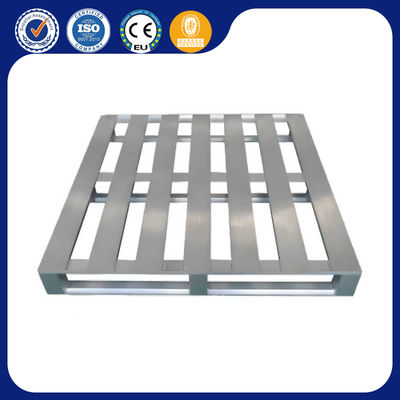
Heavy-Duty 6061-T6 Structural Aluminum Industrial Pallets
Engineered with heavy-wall extruded aluminum profiles, full perimeter welding, and non-skid deck slats. Ideal for severe industrial handling and high-bay racking.
- Alloy
- 6061-T6 Aircraft Grade
- Load
- Dynamic: 2,500 kg | Racking: 1,500 kg
- Entry
- 4-Way Forklift & Pallet Jack
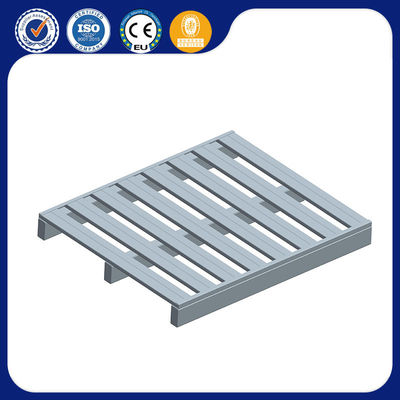
Hygienic Cleanroom & Pharma-Grade Sealed Aluminum Pallets
Features smooth continuous seam welds, radius corners, and fully sealed tube profiles. Built for ISO Class 5+ cleanrooms, food processing, and chemical handling.
- Finish
- Anodized / Electrolytic Cleaned
- Cleaning
- Steam, Caustic Soda & Autoclave
- Standard
- FDA Title 21 & GMP Compliant
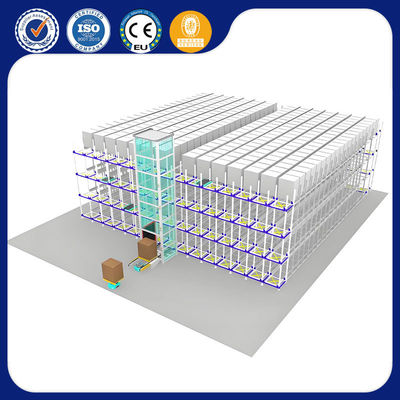
Automated AS/RS & Radio Shuttle Compatible Aluminum Pallets
Precision-machined tolerances (+/-1mm) designed specifically for automated guided vehicles (AGVs), shuttle systems, and high-density racking channels.
- Deflection
- < L/200 Under Max Beam Load
- Feature
- Sensor Target Channels & RFID Slot
- Use
- Automated Cold Store & High Density
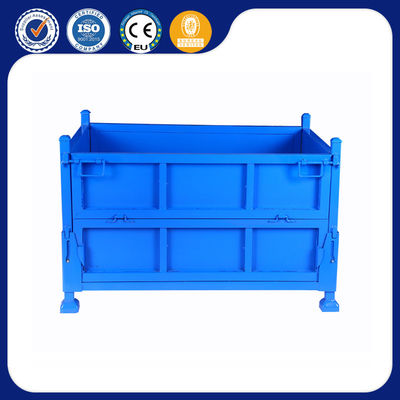
Heavy-Duty Collapsible & Stackable Aluminum Container Box
Combines lightweight aluminum bottom pallet base with drop-gate side walls for secure closed-loop transport of high-value industrial component parts.
- Stacking
- 4-High Loaded Capacity
- Design
- Foldable Side Walls & Lid
- Access
- Dual Half-Drop Gates
Engineering Material Comparison Matrix: Aluminum vs. Alternative Materials
To support scientific procurement decisions, the technical team at IronMax Storage Solutions Co., Ltd. compiled this objective material comparison matrix evaluating structural, operational, and financial indicators across 10 years of operational service:
| Performance Metric | 6061-T6 Aluminum Pallet | Galvanized Mild Steel Pallet | Virgin HDPE Plastic Pallet | Hardwood / Euro Timber |
|---|---|---|---|---|
| Tare Weight Ratio (1200x1000mm) | Lightweight (12 – 18 kg) | Heavy (28 – 42 kg) | Moderate (18 – 24 kg) | Heavy (25 – 35 kg) |
| Static Load Capacity | 5,000 kg – 10,000 kg | 6,000 kg – 12,000 kg | 3,000 kg – 5,000 kg | 1,500 kg – 3,000 kg |
| Racking Deflection Resistance | Ultra-High (No Creep) | Ultra-High (No Creep) | Low-Moderate (Prone to Creep) | Moderate (Deforms with Moisture) |
| Cleanroom & Washdown Rating | Class 5+ Cleanroom Ready | Industrial (Zinc Flaking Risk) | Good (Hard-to-Clean Ribs) | Unsuitable (Absorbs Liquids) |
| Cold Storage Range (-40°C) | Unmatched (Strengthens in Cold) | Good Performance | Becomes Brittle & Cracks | Absorbs Frost & Splinters |
| Fire Safety Classification | Non-Combustible (Class A1) | Non-Combustible (Class A1) | High Combustibility (Plastic Fire) | High Fire Hazard |
| Residual Scrap Value | High (~60-70% Metal Value) | Moderate Steel Scrap | Low / Zero Scrap Value | Zero / Disposal Cost |
| Calculated Service Lifespan | 20 – 25+ Years | 15 – 20 Years | 3 – 7 Years | 0.5 – 2 Years |
3. Future Procurement Trends for Aluminum Industrial Pallets
As corporate supply chains embrace digital automation, strict ESG compliance, and zero-contamination protocols, procurement intent for aluminum industrial pallets is undergoing rapid technological evolution. Global buyers should align their sourcing strategy with the following key industry shifts:
Trend A: Integration into Autonomous AS/RS & Shuttle Warehouses
Modern Automated Storage and Retrieval Systems (AS/RS) operate at travel speeds exceeding 4 meters per second with millimeter-accurate laser positioning sensors. Structural deflection in plastic or wooden pallets often causes sensor read errors, stacker crane jam-ups, and catastrophic warehouse shutdowns. Extruded aluminum industrial pallets manufactured by IronMax Storage Solutions Co., Ltd. guarantee dimensional tolerances within ±0.8mm. Their rigid frame prevents center sagging across racking beams under 1,500kg payloads, ensuring seamless interface with conveyor rollers, AGVs, and shuttle carts.
Trend B: Closed-Loop ESG Accounting & Circular Supply Chains
Scope 3 carbon reduction guidelines mandate that multinational pharmaceutical, automotive, and food manufacturing enterprises track the lifecycle emissions of secondary packaging assets. While plastic pallets rely on virgin petrochemical feedstocks and timber sourcing drives deforestation, aluminum industrial pallets offer a 100% circular life cycle. Reputable producers like IronMax Storage Solutions Co., Ltd. utilize eco-conscious billet extrusion practices. At the end of its 25-year operational lifecycle, aluminum retains over 65% of its initial raw metal scrap value, enabling near-zero net material loss.
Trend C: Smart IoT & RFID Asset Tracking Integration
To eliminate asset loss in closed-loop logistics networks, future-ready aluminum pallets feature machined embedded pockets designed for heavy-duty passive RFID tags, Bluetooth Low Energy (BLE) beacons, and ultra-wideband (UWB) tracking chips. Protective aluminum housing shields sensor nodes from direct forklift impact, chemical washdowns, and extreme electrostatic discharge, empowering supply chain managers with real-time inventory visibility.
4. Key Development & Manufacturing Innovations in Aluminum Pallets
The manufacturing architecture of aluminum industrial pallets has advanced beyond basic riveted sheets. Modern engineering requires specialized metallurgical processing and automated fabrication technologies:
- Extruded Profile Topology Optimization: Utilizing internal cross-ribbed hollow extrusion profiles, our structural engineers maximize flexural rigidity while minimizing total unit weight. Strategic thickness distribution places material precisely where high bending moments occur during forklift tine engagement.
- Automated Robotic TIG/MIG Seam Welding: Continuous robotic seam welding eliminates open crevices where bacteria, dust, and chemical residues accumulate. Every joint undergoes non-destructive test inspections to guarantee structural integrity under sudden impact shocks.
- Sanitary Anodizing & Surface Passivation: For sterile cleanrooms, aluminum pallets are subjected to anodic oxidation (15-25 microns film thickness) or electrolytic passivation. This creates an ultra-hard, scratch-resistant surface immune to concentrated caustic washdown agents, nitric acid sanitizers, and high-pressure steam cleaning up to 120°C.
- Modular Replaceable Component Construction: Advanced multi-piece bolted runner designs allow rapid replacement of individual bottom runners or top deck slats in the rare event of severe mechanical collision by forklift operators, reducing long-term maintenance overhead to near zero.
5. Enterprise Advantage: Why Partner with IronMax Storage Solutions Co., Ltd.
Selecting the right metal pallet supplier requires evaluating technical competence, production scale, quality control rigor, and global logistics capability. IronMax Storage Solutions Co., Ltd. stands out as a Premier Manufacturing Authority based in Jining City, Shandong Province, China.
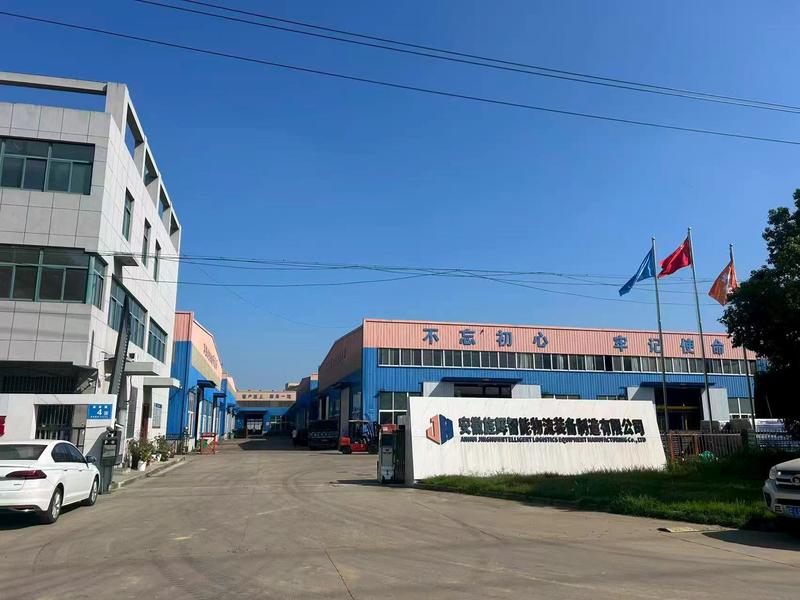
IronMax Manufacturing Facility
Our dedicated manufacturing base spans heavy-duty profile extrusion processing, continuous automatic roll forming lines, robotic welding stations, and zero-emission pretreatment coating lines. We engineer complete system ecosystems—from custom aluminum pallets to heavy-duty pallet racking platforms.
- 120+ specialized structural engineers, metallurgists & QA inspectors
- In-house 3D CAD modeling, FEA stress simulation & deflection testing
- Complete export documentation, batch traceability & ISO9001 quality audit
Custom Layout & FEA Stress Analysis
Every aluminum pallet design is tested via Finite Element Analysis (FEA) to simulate exact static, dynamic, and racking deflection stress curves prior to tooling.
Raw Material Traceability
We source certified 6061-T6 aluminum billets with complete mill test certificates (MTC), ensuring verified chemical composition and yield strength.
Strict Quality Inspection
Dimension checks, weld penetration checks, surface roughness (Ra) verification, and 150% overload drop tests are recorded before export release.
Export Packaging & Global Delivery
Pallets are wrapped with protective anti-scratch films, corner guards, and heavy-duty steel strapping for sea container shipping worldwide.
6. Frequently Asked Questions (FAQ) – Procurement & Engineering Solutions
Below are clear, technical answers to the most common queries raised by international buyers, cleanroom facility managers, and automated warehouse project leads:
Q1: How does the load-bearing capacity of 6061-T6 aluminum pallets compare to structural steel?
While structural steel offers slightly higher ultimate density, 6061-T6 aluminum industrial pallets deliver an exceptional strength-to-weight ratio. A engineered 18 kg aluminum pallet routinely carries up to 2,500 kg dynamic payload and 1,500 kg un-supported beam racking load with less than L/200 structural deflection. Steel pallets carrying equivalent loads weigh between 35 kg to 45 kg, adding substantial dead-weight overhead to freight containers and automatic conveyor drives.
Furthermore, aluminum does not require secondary zinc galvanizing or powder coating to maintain rustproof performance, eliminating the risk of coating flaking in sensitive production zones.
Q2: Are aluminum industrial pallets certified for ISO Cleanrooms and FDA compliance?
Yes. IronMax Storage Solutions Co., Ltd. manufactures cleanroom-grade aluminum pallets constructed with fully sealed profile tubes and continuous smooth seam welds. The smooth aluminum surface is completely non-porous, non-absorbent, and resistant to bacteria growth. They comply fully with FDA Title 21 CFR standards, GMP cleanroom requirements, and ISO 14644 cleanroom classifications. They can be sanitized with aggressive CIP chemicals, caustic soda solutions, or high-pressure steam up to 120°C without oxidizing.
Q3: How do aluminum pallets behave in cryogenic cold storage freezers (-40°C)?
Unlike plastic pallets—which become brittle, develop micro-cracks, and shatter upon forklift impact below freezing temperatures—aluminum alloy exhibits an inverse thermal strength curve. As temperatures drop toward cryogenic levels (-40°C to -80°C), aluminum alloys actually experience a slight increase in tensile and yield strength while maintaining ductile fracture toughness. This renders aluminum industrial pallets the gold standard for refrigerated pharmaceutical freezers and deep-freeze food processing hubs.
Q4: Can aluminum industrial pallets ignite sparks in ATEX or explosion-proof hazard zones?
No. Aluminum is scientifically classified as a non-sparking, non-ferrous metal under international ATEX explosive atmosphere guidelines. When struck by steel tools or forklift tines, aluminum does not produce thermal ignition sparks, making aluminum industrial pallets essential for chemical plants, gunpowder storage, paint manufacturing, and volatile solvent cleanrooms.
Q5: What is the estimated payback period / ROI of investing in aluminum pallets over wooden pallets?
While the initial capital expenditure (CAPEX) for aluminum pallets is higher than single-use timber pallets, the total cost of ownership (TCO) yields a positive ROI within 18 to 24 months in closed-loop systems. Timber pallets require continuous repairs, ISPM-15 fumigation fees, product damage replacement, and cause costly conveyor downtime. Aluminum pallets last over 20+ years with near-zero maintenance, prevent freight damage, and retain 60-70% residual aluminum scrap value at end-of-life.
Q6: Can IronMax customize pallet sizes to fit custom automated racking or non-standard container footprints?
Absoutely. In addition to standard Euro (1200x800mm), ISO/US (1200x1000mm), and Asian (1100x1100mm) footprints, IronMax Storage Solutions Co., Ltd. specializes in custom profile engineering. Our technical team accepts CAD/STEP files to modify deck slat spacing, runner positions, chamfer angles, and perimeter retaining lips to perfectly align with your automated shuttle sensors, AGVs, or robotic pickers.
Q7: How do I request a formal technical proposal and quotation from IronMax?
You can directly contact our engineering sales department by emailing [email protected] or clicking the live chat button anywhere on our website. Please provide your target pallet dimensions, required static/dynamic/racking loads, handling equipment details, and estimated quantity. Our team will return structural CAD drawings and competitive factory-direct quotes within 24 hours.