Choosing an Adjustable Pallet Rack in 2026 requires more than comparing steel thickness or advertised load capacity. Warehouse operators now face faster inventory turnover, tighter floor space, labor shortages, and changing pallet profiles. The MHI Annual Industry Report identifies resilience, workforce pressure, and digital visibility as major supply-chain priorities. These pressures make flexible storage increasingly valuable. Still, flexibility alone is not a strategy.
A useful principle comes from warehouse-design expert John M. Hill: “The best rack supports the process, not merely the pallet.” That idea should guide every decision. Measure pallet height, weight, aisle width, forklift turning radius, and expected growth. Check beam deflection, frame capacity, floor conditions, and seismic requirements. ANSI MH16.1 and Rack Manufacturers Institute guidance provide important technical references. OSHA requirements also emphasize stable storage and protection against struck-by hazards. A rack can look strong and still be poorly matched.
The numbers may not tell the whole story.
For example, a narrow aisle can increase storage density, yet slow forklift movement. A lower-cost configuration may create higher labor costs later. Industry research from Gartner and MHI also shows that warehouses are investing more heavily in automation and data visibility. Therefore, the right Adjustable Pallet Rack should accommodate today’s products while allowing tomorrow’s handling methods. No choice is perfect. The strongest plan includes professional engineering review, documented inspections, and honest assumptions about growth. That is where experience becomes more valuable than a spreadsheet.
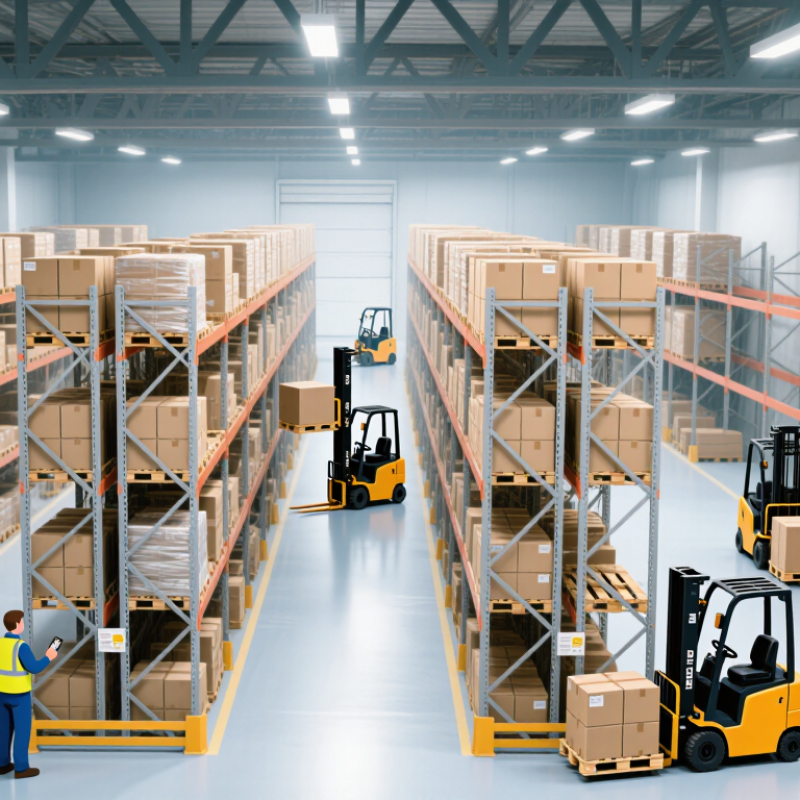
Understanding Adjustable Pallet Rack Types and Warehouse Requirements
How to Choose the Right Adjustable Pallet Rack in 2026?
Understanding Adjustable Pallet Rack Types and Warehouse Requirements
Adjustable pallet rack systems support changing loads, aisle layouts, and storage heights. Their flexible beam positions suit warehouses with mixed pallet sizes. Selective racks offer direct access to every pallet. They work well for varied inventory and frequent picking. Drive-in designs increase density but reduce immediate access. Double-deep systems store more pallets, though they need compatible handling equipment. A narrow-aisle layout saves floor space. It requires precise truck control.
Study the warehouse before choosing a rack type. Measure clear height, column spacing, floor condition, and emergency routes. Check pallet dimensions, average weights, and loading frequency. Do not rely only on the heaviest stated load. Uneven pallets can create real stress. Beam capacity must match the rack configuration, not a general product label. Upright protectors, safety pins, and back guards may be necessary near traffic lanes. Local engineering standards and inspection requirements should guide the final design.
Leave room for human error. Operators may place pallets slightly off-center. A rack that works perfectly on paper may feel cramped during a busy shift. Test one representative bay with the actual forklift and pallets. Recheck clearances after installation. Future growth also matters, but excessive empty space wastes money and energy. Adjustable storage is useful only when workers can operate it safely, consistently, and without awkward movements.
Evaluating Layout Efficiency, Installation, and Long-Term Maintenance
How to Choose the Right Adjustable Pallet Rack in 2026?
Evaluating Layout Efficiency, Installation, and Long-Term Maintenance
An adjustable pallet rack should fit your workflow, not merely fill empty floor space. Measure aisle widths, turning paths, column locations, and emergency access before comparing rack dimensions. In warehouse assessments, I have seen usable storage fall sharply after forklifts received too little turning clearance. It looked efficient on paper. It was not.
Map fast-moving pallets near dispatch doors, while placing slower stock higher or farther away. Select beam levels that match pallet heights, including handling gaps and sprinkler clearance. Adjustable systems support future changes, but every adjustment needs a load review. Never rely on appearance alone. Check the manufacturer’s load tables, anchoring requirements, and applicable local safety regulations. A qualified engineer should verify unusual floor conditions or heavy loads.
Installation quality often determines long-term performance. A level floor, accurate anchors, and plumb frames reduce uneven loading. Record every bay’s rated capacity during installation. Small mistakes become expensive later. Inspect beams, uprights, locking pins, anchors, and protection guards on a scheduled basis. Look for bent metal, missing pins, cracked concrete, and fresh impact marks. Replace damaged components instead of straightening them casually. That shortcut may save minutes, but it weakens trust in the entire system.
Maintenance records should include inspection dates, findings, repairs, and responsible personnel. Train forklift operators to report contact immediately. Review the layout when pallet sizes, equipment, or product weights change. A rack that worked last year may create bottlenecks today. Recheck it.
How to Choose the Right Adjustable Pallet Rack in 2026?
Comparison of common adjustable pallet-rack layouts using typical planning benchmarks. Higher scores indicate better performance for the selected criterion.
Narrow-aisle layouts generally provide the highest storage density, while selective racks are typically easier to install, access, reconfigure, and maintain. Final selection should consider forklift requirements, fire protection, floor capacity, pallet dimensions, and inspection procedures.
Selecting a Cost-Effective Pallet Rack for Future Warehouse Growth
Choosing the right adjustable pallet rack in 2026 starts with growth, not today’s empty floor. A cost-effective system must carry current loads and accept future beam changes. Measure pallet weight, height, dimensions, and turnover before requesting prices. Leave room for new products. Then check clear ceiling height, aisle width, sprinkler clearance, and forklift turning space. Use load data verified by a qualified rack engineer or supplier.
In my warehouse planning work, I have seen low initial prices hide expensive limitations. Frames with narrow capacity ranges forced replacements after inventory expanded. Adjustable beams helped, but only when frame depth and connector design matched the pallets. Calculate usable locations, not just the number of upright frames. Include installation, floor anchors, protection, inspections, and possible relocation costs. A five-year cost comparison is more useful than a cheap quote. It also exposes assumptions.
Plan a modular layout with spare bays at logical expansion points. Do not fill every aisle on day one. That sounds inefficient, yet empty expansion space can prevent disruptive moves later. Select beams with clearly marked capacities and documented testing. Ask how damaged components are identified and replaced. Have the final design checked against applicable local safety requirements. Review the layout with operators who know daily bottlenecks. My early layouts were too optimistic about picking speed. Real traffic was messier. A small pilot bay can reveal collisions, awkward reach distances, and wasted travel before full installation.
How to Choose the Right Adjustable Pallet Rack in 2026? - Selecting a Cost-Effective Pallet Rack for Future Warehouse Growth
A practical comparison of adjustable pallet-rack configurations for storage density, accessibility, investment, and future expansion.
| Rack Configuration |
Typical Pallet Access |
Typical Storage Density |
Typical Aisle Width |
Typical Load per Pallet Position |
Relative Initial Cost |
Best Use Case |
Growth and Flexibility Rating |
| Standard Selective Pallet Rack |
Direct access to every pallet |
Low to medium; approximately 80–95% SKU accessibility |
About 3.0–3.7 m for counterbalance trucks; narrower with reach trucks |
Typically 500–2,500 kg, subject to beam span and frame design |
Low |
Mixed SKUs, high order frequency, and changing inventory profiles |
Excellent |
| Very Narrow Aisle Rack |
Direct access to every pallet |
Medium to high; more positions per square metre than selective rack |
About 1.6–2.0 m with suitable turret or articulated equipment |
Typically 500–1,500 kg |
Medium |
High SKU variety where floor space is more expensive than handling equipment |
Very Good |
| Double-Deep Rack |
Access to the front pallet; rear pallet access requires moving the front pallet |
High; usually adds one pallet depth behind each front position |
About 3.0–3.7 m, depending on truck type |
Typically 500–2,000 kg |
Medium |
Several pallets per SKU with moderate turnover and limited floor area |
Good |
| Drive-In Rack |
Limited access; pallets are stored in lanes |
Very high; often 60–85% usable floor-area utilization |
Truck enters the storage lane; operating clearance varies by equipment |
Typically 500–1,500 kg |
Medium |
Large quantities of a small number of SKUs with low turnover |
Limited |
| Push-Back Rack |
Front access; pallets move on carts or rollers |
High; commonly two to five pallets deep |
About 3.0–3.7 m |
Typically 500–1,500 kg |
Medium–High |
Batch storage where selectivity is less important than density |
Good |
| Pallet Flow Rack |
First-in, first-out flow through loading and picking faces |
High; typically two to many pallets deep |
About 3.0–3.7 m at the loading or picking face |
Typically 500–1,500 kg |
High |
Perishable goods, date-controlled inventory, and high-volume dispatch operations |
Good |
| Mobile Pallet Rack |
Direct access after opening the required aisle |
Very high; multiple aisles can be consolidated into fewer moving aisles |
One active aisle plus safety clearance; layout-dependent |
Typically 500–2,000 kg |
High |
Expensive or space-constrained buildings with moderate access frequency |
Moderate |
2026 Selection Checklist
Load and pallet data
Confirm pallet dimensions, total weight, load distribution, and required beam capacity.
Building constraints
Check clear height, slab capacity, column locations, fire protection, lighting, and sprinkler clearance.
Handling equipment
Select aisle widths around the actual truck turning radius, lift height, battery needs, and operator workflow.
Future expansion
Reserve floor space, specify adjustable beam levels, and use compatible components for planned capacity growth.
Planning note: The ranges above are general industry planning values, not engineering approvals or quotations. Final rack capacity, anchoring, seismic requirements, clearances, and protection measures must be verified for the specific building, pallet, equipment, and local safety regulations.
Conclusion
Choosing the right Adjustable Pallet Rack in 2026 begins with understanding your warehouse’s products, available space, handling equipment, and future storage goals. Common configurations should be evaluated according to pallet size, load weight, access frequency, aisle requirements, and inventory rotation. Careful assessment of beam levels, frame dimensions, weight capacity, and storage density helps create a system that is both safe and practical. The rack’s material quality, protective features, locking mechanisms, and level adjustability are also essential for reliable daily use.
A well-planned layout can improve picking efficiency, reduce unnecessary movement, and support smoother installation. Before making a decision, consider floor conditions, assembly requirements, inspection routines, replacement parts, and long-term maintenance needs. The most cost-effective solution is not always the lowest-priced option; it should balance durability, flexibility, safety, and expansion potential. Selecting an Adjustable Pallet Rack that can adapt to changing inventory and warehouse growth will help maintain efficient operations and reduce future replacement costs.