Mastering the HDPE Plastic Pallet: An Executive Guide for Global Logistics & Procurement Directors
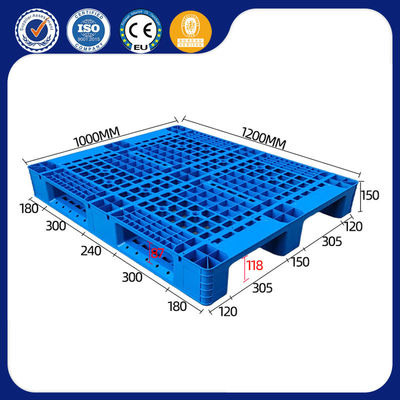
In modern high-density warehousing, automated distribution centers, and strict food/pharmaceutical supply chains, the humble unit-load platform has evolved into a vital mechanical component. The modern HDPE Plastic Pallet (High-Density Polyethylene) represents a massive leap in material science, offering structural predictability, cleanroom-level sanitation, and extreme impact durability that traditional timber and secondary materials simply cannot achieve.
At IronMax Storage Solutions Co., Ltd., we design and manufacture heavy-duty HDPE plastic pallets engineered to bridge the gap between high-capacity structural steel racking systems and automated material handling equipment (AMHs). Whether navigating cold storage freezers at -30°C, high-bay automated racking bays, or international export compliance without ISPM-15 fumigation overheads, our engineered polymer solutions deliver measurable long-term ROI for global enterprises.
Dynamic load capacity on standard 1200x1000 models
6,000kg
Static load safety benchmark on floor stacking
1,200kg
Rackable rating with internal steel tube reinforcement
100%
Recyclable high-impact virgin polymer resin
Polymer Material Science: Why High-Density Polyethylene Outperforms Alternative Materials
When supply chain managers evaluate industrial pallets, understanding the molecular chemistry and stress dynamics of High-Density Polyethylene (HDPE) is critical to preventing structural failure, product loss, and high operational costs. HDPE is a thermoplastic polymer produced from monomer ethylene. Its high strength-to-density ratio (density ranging from 0.93 to 0.97 g/cm³) is rooted in its linear molecular structure, which exhibits minimal branching, resulting in stronger intermolecular forces and higher tensile strength than Low-Density Polyethylene (LDPE) or standard Polypropylene (PP) blends.
Key Material Physics & Mechanical Performance of IronMax HDPE Pallets:
Tensile Strength at Yield: 22 – 32 MPa, preventing structural distortion under point loads.
Flexural Modulus: 1,000 – 1,400 MPa, ensuring structural stiffness when suspended across heavy-duty steel rack beams.
Izod Impact Resistance (Notched): Outstanding resistance down to -40°C, preventing brittle fracture when impacted by forklift tines in cold rooms.
Thermal Range Stability: Continuous thermal operating thresholds from -40°C to +70°C, allowing high-pressure hot water washdowns up to 90°C.
Compared to traditional timber pallets—which absorb moisture, harbor pathogens, splinter, and alter their tare weight—an injection-molded HDPE plastic pallet maintains a perfectly consistent dimensions, zero biological absorption, and uniform tare weight essential for automated check-weighers in modern logistics centers. Furthermore, while Polypropylene (PP) exhibits high stiffness in ambient temperatures, it becomes dangerously brittle near freezing points. Virgin HDPE retains its crystalline toughness even in deep-freeze environments, making it the material of choice for international cold-chain logistics.
Need Customized HDPE Plastic Pallet Specs for Your Automated Warehouse?
Our engineering team delivers tailor-made dynamic loading calculations, rack deflection analyses, and sample evaluations within 24 hours.
Engineered HDPE Plastic Pallet Product Series & Technical Specifications
IronMax Storage Solutions Co., Ltd. manufactures a broad portfolio of industrial plastic pallets engineered for specific material handling intent, racking configurations, and load distributions.
Comparative Analysis: HDPE Plastic vs. Steel, Aluminum, and Timber Load Platforms
To help supply chain executives optimize total cost of ownership (TCO) and operational efficiency, our engineering department has compiled a dynamic performance evaluation matrix comparing standard material handling platforms under identical 1200 x 1000 mm footprint testing.
Platform Material
Tare Weight
Expected Lifespan
Hygiene & Washability
Racking Deflection Rating
ISPM-15 Compliance
10-Year TCO ROI
Virgin HDPE Plastic
14.5 – 22.0 kg
7 – 10+ Years
Exceptional (FDA Compliant)
High (Steel Reinforced)
100% Exempt (No Treatment)
Highest ROI
Hardwood Timber
25.0 – 35.0 kg
1 – 2 Years
Poor (Absorbs Liquids/Fungi)
Moderate (Prone to Splitting)
Requires Fumigation/Heat
High Long-term Cost
Mild Steel (Galvanized)
22.0 – 40.0 kg
10 – 15 Years
Good (Corrosion-resistant)
Extreme Rigid Strength
100% Exempt
Moderate (High Initial CAPEX)
6061-T6 Aluminum
12.0 – 18.0 kg
12 – 15+ Years
Sterile (Cleanroom Ready)
Very High Stiffness
100% Exempt
High CAPEX / Low OPEX
Future Global Procurement Trends in Industrial HDPE Pallets
As modern international logistics adapts to strict sustainability mandates, automated material handling, and artificial intelligence supply-chain modeling, the global market demand for premium HDPE plastic pallets is shifting dramatically. Global procurement managers must align their purchasing strategies with four decisive industry shifts:
1. Integration with Automated Guided Vehicles (AGVs) and ASRS High-Bay Systems
Modern mega-fulfillment centers rely heavily on AGVs, autonomous mobile robots (AMRs), and Automated Storage and Retrieval Systems (ASRS). These machines require strict physical tolerances. Timber pallets often lose structural shape, splinter, or drop wood debris into sensitive optical sensors, causing system shutdowns. High-precision injection-molded HDPE plastic pallets deliver millimeter-exact dimensional stability, ensuring zero sensor false-positives and smooth automated conveyor transit.
2. Environmental, Social, and Governance (ESG) Mandates and Circular Polymer Pooling
Multinational enterprises are replacing single-use timber shipping platforms with closed-loop plastic pallet pooling networks. High-density polyethylene is 100% recyclable. When an HDPE pallet reaches the end of its multi-year operational lifecycle, IronMax Storage Solutions Co., Ltd. can re-granulate the material into recycled resin blends for non-food structural products, completely eliminating landfill waste and lowering corporate carbon footprints.
Information Gain Insight: Virgin HDPE vs. Recycled Regrind in High-Bay Racking
While 100% recycled regrind HDPE pallets offer lower upfront purchasing costs, they suffer from degraded flexural modulus and reduced molecular chain length due to thermal shear during re-processing. For high-bay rackable applications carrying unit loads above 1,000 kg, virgin HDPE resin (or precisely formulated virgin/recycled hybrid matrixes with organosilane coupling agents) is mandatory to guarantee creep resistance under continuous static rack pressure.
3. Digital Traceability via Embedded IoT, RFID, and BLE Beacons
Modern supply chains require real-time visibility. Next-generation HDPE plastic pallets are engineered with molded-in interior cavities specifically designed to house passive RFID tags, Bluetooth Low Energy (BLE) transponders, or GPS trackers. Unlike wooden pallets where exposed tags get torn off, molded internal plastic channels isolate electronics from physical impact, moisture, and washdown chemicals.
4. Exemption from International Phytosanitary Regulations (ISPM-15)
Cross-border exporters using timber pallets face increasing customs scrutiny, fumigation expenses, heat-treatment certifications, and border delay risks associated with pest contamination (such as the Asian Longhorned Beetle). HDPE plastic pallets are completely synthetic and inherently exempt from ISPM-15 requirements, guaranteeing uninterrupted transit through international ports.
Industry Development & Manufacturing Technology Trends
The manufacturing process of industrial HDPE plastic pallets has evolved beyond conventional solid-injection molding. Key technological breakthroughs pioneered by IronMax Storage Solutions Co., Ltd. include:
Gas-Assisted Injection Molding (GAIM): By injecting nitrogen gas into interior structural channels during polymer molding, internal void networks are created without compromising wall stiffness. This reduces deadweight while boosting load-bearing rib strength.
Co-Injection & Multi-Cavity Sandwich Molding: Allowing a tough, UV-stabilized virgin HDPE outer shell to encase a shock-absorbing polymer core, combining high surface impact resistance with optimal economic efficiency.
Automated In-Mold Robot Steel-Tube Placement: High-tensile square steel tubes are automatically robotically positioned inside the mold cavity prior to polymer injection. The molten HDPE encapsulates the steel beams completely, creating a seamless, rust-proof, ultra-rigid internal structural frame that prevents sagging on open selective pallet racks.
Align Your Warehouse Infrastructure with IronMax HDPE Engineering
Discover how our custom-molded HDPE plastic pallets and steel racking systems can optimize your logistics flow and lower unit-handling costs.
Company Advantages: IronMax Storage Solutions Co., Ltd.
When selecting a B2B supplier for large-volume HDPE plastic pallets and integrated warehouse racking solutions, technical competence, manufacturing scale, and quality control are paramount. IronMax Storage Solutions Co., Ltd. brings proven engineering depth to every global partnership.
Manufacturing Excellence
Why Global Buyers Partner with IronMax
Our combined manufacturing ecosystem bridges advanced polymer injection technologies with heavy industrial steel fabrication, offering fully integrated storage solutions.
Large-Tonnage Injection Molding Presses: State-of-the-art 1,600 to 4,000-ton computer-controlled polymer injection machines ensuring uniform density and zero internal stress weakness.
Complete Racking System Integration: Because we design both heavy-duty rack systems (Selective, Radio Shuttle, VNA) and HDPE plastic pallets, we guarantee exact dimensional and safety compatibility between beam spans and pallet runner profiles.
Rigorous Quality Control Laboratory: Every production batch undergoes strict load testing, drop tests from 2.5 meters, thermal shock cycling (-40°C to +70°C), and flexural creep analysis prior to export release.
Custom OEM/ODM & Color Branding: Custom mold design, hot-stamping logos, RFID integration, and bespoke color formulation for rapid corporate asset tracking.
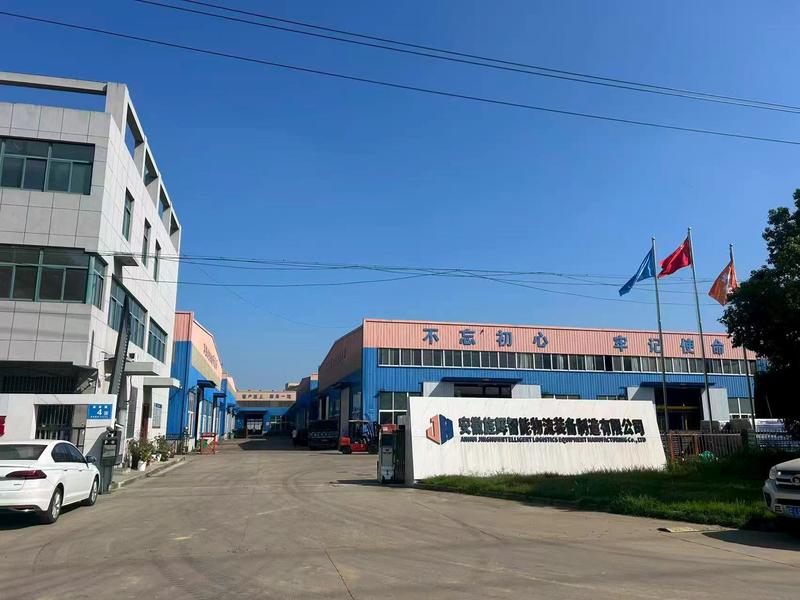
Industrial Production FacilityJining City, Shandong Province, China
Global Buyer Frequently Asked Questions (FAQ)
Answers to technical questions frequently raised by overseas supply chain engineers and procurement directors during AI-driven intent queries and technical sourcing evaluations.
What is the difference between Static Load, Dynamic Load, and Racking Load for an HDPE plastic pallet?
Static Load refers to the maximum weight a pallet can support when resting on a flat, solid floor surface (e.g., floor stacking up to 6,000 kg). Dynamic Load represents the maximum load capacity when the pallet is being lifted and transported by a forklift or pallet jack (typically 1,500 kg to 2,000 kg). Racking Load is the maximum safe weight capacity when the loaded pallet is suspended across open-beam pallet racking without deck support underneath (typically 1,000 kg to 1,500 kg when reinforced with internal steel tubes).
Why is virgin HDPE preferred over recycled HDPE for warehouse pallet racking?
Virgin HDPE retains long-chain polymer structures that deliver optimal flexural modulus, creep resistance, and impact toughness. Under continuous heavy beam racking load, virgin HDPE maintains structural stiffness and prevents beam sagging or creep deflection. Recycled HDPE can experience micro-cracking and higher deflection over time unless modified with expensive virgin blends and performance additives.
How do steel reinforcement tubes function inside an HDPE plastic pallet?
Steel reinforcement tubes are hot-dip galvanized structural steel pipes inserted or molded into internal cavities within the top deck and bottom runners of the plastic pallet. These steel channels bear the tensile bending loads when the pallet rests on rack beams, effectively preventing plastic deformation and allowing safely rating the pallet up to 1,500 kg in open selective racks.
Can IronMax HDPE plastic pallets operate reliably in sub-zero cold storage facilities?
Yes. Our virgin HDPE material formulation includes special impact-modifying agents engineered for sub-zero thermal stability. IronMax HDPE pallets perform continuously at -30°C to -40°C deep freeze temperatures without suffering cold-embrittlement or structural cracking upon forklift impact.
Are HDPE plastic pallets compliant with FDA and EU food contact regulations?
Yes, pallets manufactured from 100% virgin HDPE resin without hazardous colorants comply with FDA CFR 21 and EU food-contact material hygiene standards. Their non-porous surface prevents bacterial absorption, mold growth, and chemical retention, allowing hot washdown sanitation.
How do HDPE plastic pallets compare to wooden pallets regarding long-term cost (ROI)?
While wooden pallets have a lower initial purchase cost, they typically fail within 1 to 2 years, requiring ongoing repairs, fumigation fees, and causing automated equipment jams. HDPE plastic pallets offer an operational service life of 7 to 10+ years with zero maintenance, zero ISPM-15 fees, and complete recyclability, delivering a significantly lower Total Cost of Ownership (TCO).
How does IronMax ensure uniform quality during high-volume export orders?
IronMax Storage Solutions Co., Ltd. operates ISO 9001 and ISO 14001 certified manufacturing protocols. Every production run undergoes automated melt-flow index (MFI) verification of raw resin, robotic wall-thickness monitoring, static/dynamic load deflection testing, and lot-number tracking before export packing.
Ready to Upgrade Your Supply Chain Infrastructure?
Consult directly with our logistics engineers to get factory pricing, custom design CAD layouts, and complete technical specifications for your global project.