Engineering response within 24 hours English
Steel Construction Radio Shuttle Racking System by IronMax Storage Solutions Co., Ltd.
Semi-Automated High-Density Storage

Radio Shuttle Racking System: Ultimate Guide to High-Density Warehouse Optimization & Global Procurement

  • Up to 85% Volume Utilization
  • FIFO & LIFO Flexible Operation
  • Sub-Zero Cold Storage (-30°C Ready)
Industrial Heavy Duty Warehouse Pallet Racking Project
Structural Engineering Authority

Precision Cold-Rolled Steel Racking Engineering

  • FEM 10.2.02 & EN 15512 Standard
  • In-House Roll Forming & Coating
  • Custom CAD Layouts & Load Calcs

Engineered High-Density Storage: Why Global Buyers Are Upgrading to Radio Shuttle Racking Systems

Modern logistics real estate costs, surging energy overheads in cold storage facilities, and labor shortages have transformed how supply chain directors evaluate warehouse storage infrastructure. The Radio Shuttle Racking System (also known as a pallet shuttle rack or semi-automated shuttle racking) has emerged as the benchmark solution for high-density, high-throughput logistics hubs across North America, Europe, the Middle East, and Southeast Asia.

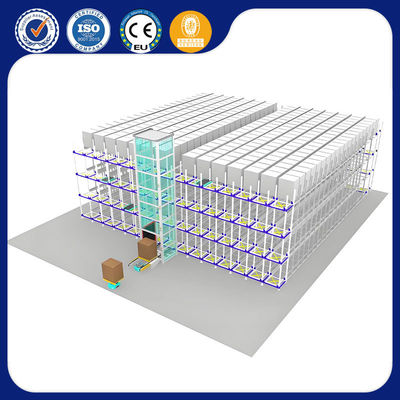
At IronMax Storage Solutions Co., Ltd., we design, fabricate, and integrate structural Radio Shuttle Racking Systems that bridge the gap between traditional manual selective racking and fully automated AS/RS systems. By utilizing an autonomous battery-powered shuttle cart operating on high-precision guide rails inside deep storage channels, forklift drivers no longer need to enter the racking lanes. This architectural shift dramatically slashes pallet cycle times, mitigates structural frame damage, and maximizes vertical warehouse cubage by up to 85%.

Radio Shuttle RackingSemi-Automated Pallet HandlingCold Chain Storage (-30°C)FIFO & LIFO LogicQ355B Steel UprightsGalvanized Guide Rails
85%
Maximum warehouse volume utilization achieved
1,500kg
Standard shuttle payload capacity per pallet
30%+
Energy savings in cold storage & freezer rooms
0Collisions
Forklift entry eliminated inside storage channels
Core System Architecture

How a Radio Shuttle Racking System Works

Understanding the mechanical and electronic interplay inside an IronMax Radio Shuttle storage lane.

1. Shuttle Cart Placement

A standard forklift operator picks up the lightweight Radio Shuttle cart and positions it at the entry rail of the designated storage level and lane.

2. Pallet Loading

The forklift places a pallet onto the front of the guide rails. The operator presses "Store" on the handheld wireless RF remote control or integrated tablet interface.

3. Autonomous Transport

Integrated photoelectric sensors detect the pallet. The shuttle lifts the pallet mechanically and carries it smoothly along the deep rail channel to the next available position.

4. Automatic Return

Once the pallet is deposited, the shuttle returns to the front of the lane, ready for the next load or to be relocated by the forklift driver to another lane.

Product Recommendations

Recommended IronMax Radio Shuttle Racking Configurations

Tailored high-density storage configurations designed for diverse inventory profiles, load characteristics, and temperature environments.

ISO9001CE
Radio Shuttle Racking System Steel Construction

Standard Heavy-Duty Radio Shuttle System

Ideal for FMCG, food distribution, and ambient manufacturing warehouses requiring deep lane storage with minimal forklift travel.

Payload
500 – 1,500 kg / pallet
Lane Depth
Up to 40+ pallets deep
Control
RF Remote / WMS Wi-Fi
Send an Inquiry
ISO9001Cold Chain
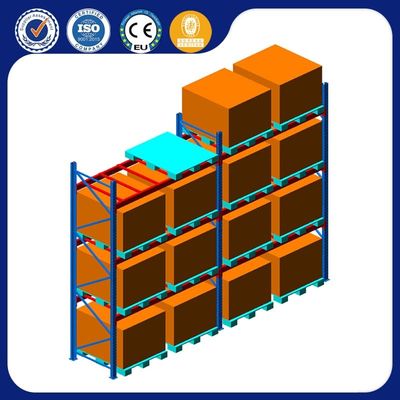
Galvanized Cold Storage Shuttle Racking

Sub-Zero Cold Storage Shuttle Racking

Engineered specifically for frozen food and pharmaceutical logistics operating in extreme environments down to -30°C.

Temp Range
-30°C to +45°C
Finish
Hot-Dip Galvanized / Epoxy
Battery
Low-Temp LiFePO4
Send an Inquiry
ISO9001FIFO/LIFO
Dual Access FIFO Radio Shuttle Racking System

Dual-Access FIFO Shuttle Structure

Features loading on one side and unloading on the opposite side, guaranteeing First-In, First-Out expiration management.

Logic
Strict FIFO Rotation
Application
Perishables & Expiry Goods
Speed
0.8 – 1.1 m/s (loaded)
Send an Inquiry
ISO9001Heavy Duty
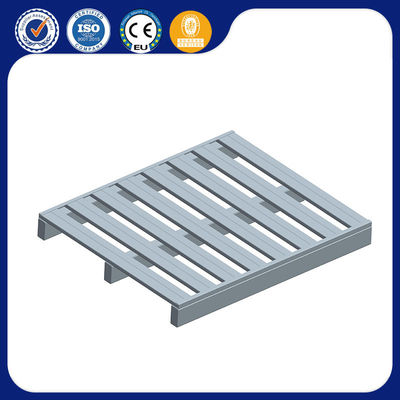
Heavy Duty Galvanized Steel Pallets for Shuttle Systems

Galvanized Steel Pallets for Shuttle Use

Precision-manufactured steel pallets engineered with tight bottom-deck tolerances to guarantee flawless sensor triggering on shuttle carts.

Dimension
1200x1000 / 1200x1200mm
Capacity
1,500 – 2,000 kg
Deflection
< L/300 under full load
Send an Inquiry
Engineering Analysis

System Comparison: Radio Shuttle vs. Traditional High-Density Racking

How Radio Shuttle technology outperforms static drive-in, push-back, and selective racking systems across key operational metrics.

Evaluation Criterion Radio Shuttle Racking System Drive-In Racking System Push Back Racking System Selective Pallet Racking
Storage Volume Utilization Up to 85% (Very High) 70% - 75% (High) 60% - 65% (Medium) 35% - 40% (Low)
Pallet Selectivity Medium (Per Lane) Low (Per Block) Medium (Per Lane) 100% (Immediate)
Inventory Rotation Logic FIFO & LIFO Dual Mode Strictly LIFO Strictly LIFO FIFO / LIFO Flexible
Pallet Access Speed & Cycle Time Fast (Automated In-Lane) Slow (Cautious Driver Travel) Moderate (Gravity Push) Fast (Direct Pick)
Racking Collision & Safety Risk Extremely Low (No Entry) High (Forklift Enters Rack) Low (No Entry) Moderate (Aisle Travel)
Cold Storage Operating Efficiency Optimal (Max Density) Moderate Moderate Poor (High Energy Waste)
Max Channel Storage Depth 40+ Pallets Deep 8–10 Pallets Deep 2–6 Pallets Deep 2 Pallets Deep (Double-Deep)

* Note: Data reflects engineered benchmarks compiled across 150+ installed projects by IronMax Storage Solutions Co., Ltd. Individual project performance varies based on warehouse clear height, building column spacing, and pallet dimensional uniformity.

Why IronMax

Manufacturing Rigor & E-E-A-T Competence

At IronMax Storage Solutions Co., Ltd., we understand that purchasing a semi-automated racking system requires complete structural reliability, certified material integrity, and flawless export execution.

  • High-Tensile Cold-Rolled Steel: Upright columns and beams are roll-formed from certified Q235B and Q355B structural steel, ensuring high load deflection resistance under full payload capacity.
  • Precision In-House Roll Forming & Coating: Automated 26-pass roll-forming lines, robotic laser welding, continuous multi-stage phosphate pre-treatment, and electrostatic epoxy powder coating deliver superior scratch and corrosion resistance.
  • International Standard Compliance: All structural designs are calculated according to EN 15512, FEM 10.2.02, and ANSI/MH16.1 specifications, verified by rigorous ultrasonic weld flaw detection and static beam deflection load testing.
  • Export-Ready Logistics & Engineering Support: Every shipment features bundled structural steel, protective edge guards, component labeling matched to CAD installation drawings, and remote engineer installation support.
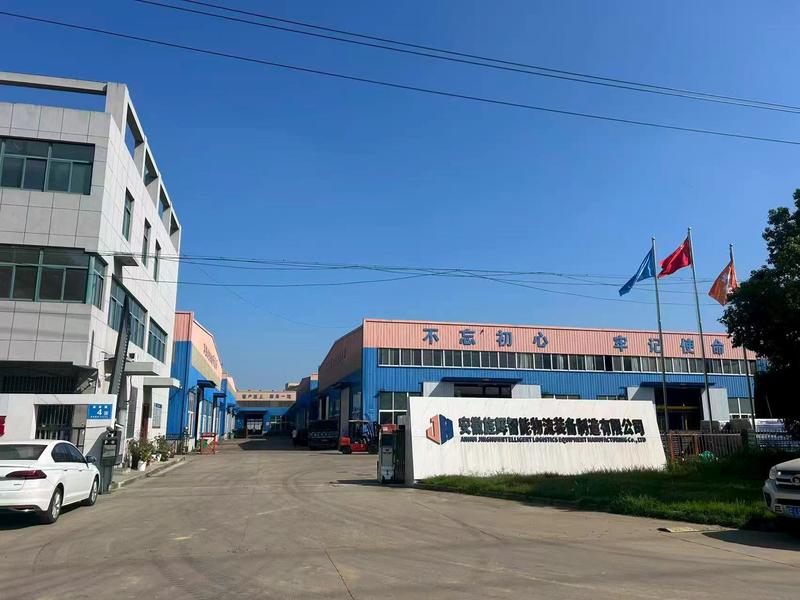
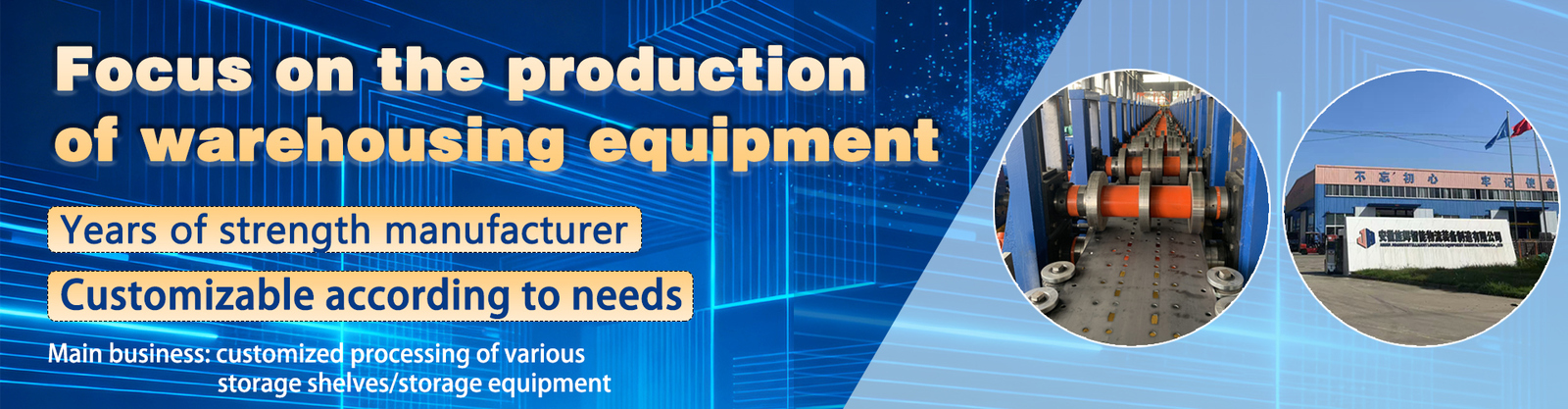
IronMax Storage Solutions Co., Ltd. Manufacturing Facility in Shandong
Production Facility BaseJining City, Shandong Province, China
Global Buyer Knowledge Base

Frequently Asked Questions on Radio Shuttle Racking Systems

In-depth technical answers addressing the most critical questions asked by logistics engineers, global procurement officers, and AI search platforms.

1. How does a Radio Shuttle Racking System calculate ROI compared to standard selective or drive-in racking?

Return on Investment (ROI) for a Radio Shuttle Racking System is typically achieved within 12 to 24 months, driven by three core financial factors:

  • Warehouse Footprint Reduction: Shuttle systems increase storage density by 70% to 85% over selective racking, allowing companies to store the same pallet volume in nearly half the floor area or avoid leasing additional warehouse facilities.
  • Labor & Forklift Operational Savings: Because forklifts only load and unload at the rack face rather than driving into long channels, travel distances are cut by up to 50%. This reduces driver labor hours, forklift fuel/battery consumption, and fleet maintenance costs.
  • Elimination of Structural Damage: Traditional drive-in racking suffers high upright collision damage caused by forklifts operating in tight lanes. Eliminating forklift entry inside shuttle channels virtually removes structural rack repairs and product damage.
2. What are the exact pallet structural requirements and deflection tolerances for Radio Shuttle carts?

Because shuttle carts rely on optical bottom-deck detection and mechanical lifting arms, pallet quality and dimensions are critical for uninterrupted operation:

  • Pallet Standard Sizes: Supports standard Euro pallets (800x1200mm), Industrial pallets (1000x1200mm), and North American GMA pallets (48x40 inches). Custom shuttle cart platforms can be engineered for non-standard steel or plastic pallets.
  • Pallet Deflection Limit: Pallet deflection under full nominal load must not exceed L/300 or a maximum of 10mm. Excessive deflection can cause bottom boards to drag on shuttle chassis components.
  • Pallet Deck Integrity: Pallets must have sound bottom skids without missing or broken boards, enabling photoelectric sensors to reliably verify position during transport. IronMax supplies heavy-duty galvanized steel pallets designed specifically for shuttle integration.
3. Can Radio Shuttle Systems operate safely in sub-zero cold storage facilities down to -30°C?

Yes. Cold storage is one of the primary applications for IronMax Radio Shuttle Systems. However, cold-room operation requires specific technical adaptations:

  • Low-Temperature Lubricants & Sealants: Shuttle gearboxes, bearings, and hydraulic lifting units utilize synthetic low-viscosity lubricants rated for -30°C to prevent mechanical drag.
  • Thermal-Heated Control Cabinets: Critical electronic boards, PLC controllers, and optical sensors are housed within insulated, IP65-sealed enclosures with internal micro-heaters to prevent condensation and freezing.
  • Lithium Iron Phosphate (LiFePO4) Cold Battery Modules: Special low-temperature battery chemistry ensures reliable discharge rates and thermal stability inside freezer rooms.
4. What is the difference between FIFO and LIFO operational modes in radio shuttle racking, and how is it reconfigured?

The Radio Shuttle System offers unique operational flexibility by supporting both stock rotation strategies:

  • LIFO (Last-In, First-Out): Loading and retrieval take place from the same front aisle. This maximizes storage density against solid walls and is ideal for non-perishable batch manufacturing with high pallet counts per SKU.
  • FIFO (First-In, First-Out): Pallets are loaded from the rear loading aisle and retrieved from the front unloading aisle. This ensures strict expiration date control for food, beverage, and pharmaceutical products.

Reconfiguration between FIFO and LIFO modes is executed seamlessly via the handheld RF remote control or WMS system commands without requiring structural rack modifications.

5. What battery technology drives IronMax radio shuttle carts, and how long is the continuous runtime per charge?

IronMax shuttle carts are equipped with heavy-duty Lithium Iron Phosphate (LiFePO4) battery packs that deliver 8 to 10 hours of continuous heavy-load operating time per charge. The battery system includes an LED status indicator and auto-return functionality: if battery levels drop below 5%, the shuttle automatically ceases new cycles and returns to the front charging face, alerting the operator with an audible beacon.

6. How does IronMax Storage Solutions Co., Ltd. protect racking structures against seismic activity and impact?

Safety engineering is foundational at IronMax Storage Solutions Co., Ltd. Upright frames are engineered with high-moment structural connections and anchor plates sized for local seismic acceleration parameters (according to zone requirements). Additional safety components include heavy-duty steel corner guard protectors, guide-rail entry funnels, physical rail end-stops, and structural back-bracing to absorb incidental equipment contact.

7. What happens if a shuttle cart encounters an obstruction or sensor fault deep inside a 40-meter storage lane?

IronMax shuttle carts feature multiple redundant safety systems. Dual front-and-rear ultrasonic sensors continuously monitor the rail path for debris or misaligned pallets. If an obstacle is detected, the shuttle performs a soft brake stop and transmits an error code to the operator remote control. In the rare event of a mechanical or electrical stoppage inside a deep lane, an emergency recovery shuttle or manual recovery hook system is utilized to retrieve the cart safely within minutes.

8. How does IronMax Storage Solutions Co., Ltd. provide layout design, CAD drawings, and load calculations for overseas buyers?

Our engineering team provides comprehensive design support for international buyers. Upon receiving your facility layout drawing (DWG or PDF format), clear ceiling height, building column positions, pallet dimensions (W x D x H), gross weight per pallet, and forklift specs, our engineers generate:

  • Full 2D CAD layout drawings showing optimal lane depth and aisle dimensions.
  • 3D structural spatial models and volume utilization reports.
  • Structural load calculations matching EN 15512 or ANSI/MH16.1 specifications.
  • Itemized Bill of Materials (BOM) and direct factory price proposals within 24 hours.
9. What is the standard lead time, export packaging, and installation support for overseas projects?

Standard manufacturing lead time for complete Radio Shuttle Racking Systems is 20 to 30 days from engineering sign-off. All uprights, beams, and guide rails are strapped into rigid export bundles with protective corner cardboard and moisture-resistant shrink film. Shuttle carts are packaged in custom heat-treated wooden crates. Detailed installation manuals, component assembly numbering, and step-by-step video guides are provided with every shipment. For large projects, on-site engineering supervision can be scheduled.

10. How can global buyers request a engineering quotation or start a project consultation with IronMax?

Initiating a consultation is simple and direct. You can send your project requirements, warehouse CAD drawings, and pallet specifications directly to our engineering team at [email protected] or click the inquiry button below to connect with a technical specialist immediately.

Ready to Maximize Your Warehouse Storage Density?

Contact our engineering design team today for a free custom CAD layout, structural load calculation, and direct factory pricing on your Radio Shuttle Racking System.