Export-Grade Heavy Duty Storage & Palletizing Systems
Precision-engineered aluminum industrial pallets, automated shuttle racks, and heavy-duty storage infrastructure customized for Brazilian logistics networks and industrial supply chains.
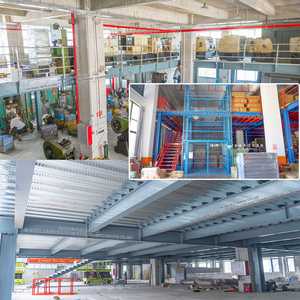
Engineering Excellence in Heavy-Duty Aluminum Pallet Exporting
As Brazilian industrial manufacturing, pharmaceutical processing, and cold-chain agribusiness rapidly scale, enterprise supply chain directors are shifting away from traditional wood and plastic pallets. China’s premier aluminum industrial pallet factories deliver unmatched structural integrity, corrosion resistance, and total cost of ownership (TCO) optimization tailored to Latin America's demanding climate and operational standards.
Aluminum pallets engineered in leading Chinese manufacturing hubs combine extreme lightweight efficiency with heavy dynamic capacity. Built using automated TIG welding, robotic extrusion processing, and sealed profile geometry, these pallets eliminate product contamination, splintering risks, and rot—making them indispensable for Brazilian exporters navigating strict international phytosanitary rules (ISPM 15 exemption).
Alloy Selection & Structural Deflection Standards
Understanding the metallurgical properties of aluminum industrial pallets is vital for procurement engineers designing high-density automated warehouse racks (ASRS) or cold storage facilities in Brazil.
6061-T6 vs 6063-T5 Alloys
We primarily utilize 6061-T6 heat-treated structural aluminum alloy containing magnesium and silicon. It provides a yield strength exceeding 240 MPa, rendering it ideal for heavy rack beam spans and point loads without permanent deformation.
Anodization & Hygienic Surface
Pallet profiles undergo architectural clear anodizing (10–15 microns) or electro-polishing. This creates a non-porous, non-shedding surface resistant to chemical cleaning agents, caustic washdowns, and salt spray in tropical port climates.
Robotic TIG & Seamless Profile
Fully welded joints prevent fluid entry, bacterium buildup, and structural fatigue. Internal reinforcement ribs optimize load distribution while keeping tare weight up to 60% lighter than structural steel alternatives.
Engineering Comparison: Industrial Pallet Materials
A comprehensive evaluation for Brazilian material handling engineers under tropical operational conditions.
| Performance Metric | 6061-T6 Aluminum Pallet | Stainless Steel (304) | Virgin HDPE Plastic | Hardwood (Pinho/Eucalipto) |
|---|---|---|---|---|
| Service Life (Years) | 15 - 20+ Years | 15 - 20 Years | 3 - 5 Years | 0.5 - 2 Years |
| Average Tare Weight (1200x1000) | 12 - 16 kg | 28 - 36 kg | 18 - 22 kg | 25 - 35 kg |
| Max Dynamic Load | 2,500 kg | 2,500 kg | 1,200 kg | 1,000 kg |
| ANVISA Cleanroom Hygiene | Optimal (100% Washable) | Optimal (Heavy) | Moderate (Scratches Harbors Bacteria) | Non-Compliant (Porous) |
| Sub-Zero Cold Store Performance | Unaffected (-40°C to +80°C) | Unaffected | Brittle Failure under -20°C | Absorbs Moisture & Freezes |
| ISPM 15 Fumigation Requirement | Exempt (Zero Delay) | Exempt | Exempt | Mandatory Treatment |
| Recycle / Scrap Value | High Residual Scrap Value (~70%) | High Residual Value | Low / Disposal Fee | Zero / Burnable Waste |
Localized Application Scenarios Across Brazilian Industry Hubs
China's custom-engineered aluminum pallets are optimized for Brazil’s unique geographic logistics demands, varying thermal zones, and rigorous sectoral regulations.
1. Meat Processing & Cold-Chain Logistics (South & Midwest Brazil)
Locations: Santa Catarina, Rio Grande do Sul, Paraná, Mato Grosso.
In massive beef and poultry processing plants governed by MAPA (Ministério da Agricultura e Pecuária) and SIF sanitary controls, wood pallets present unacceptable contamination hazards. Aluminum pallets perform flawlessly inside blast freezers down to -40°C. Their superior thermal conductivity speeds up deep-freezing cycles, while welded aluminum profiles resist animal fat, blood acids, and high-pressure steam cleaning.
2. Pharmaceutical & Biotech Cleanrooms (São Paulo / Campinas Belt)
Locations: Greater São Paulo, Campinas, Anápolis Pharma Hub.
Compliant with ANVISA RDC 301/2019 and Good Manufacturing Practices (GMP), aluminum industrial pallets produce zero particulate emissions, rust, or mold. Designed with smooth chamfered edges and sealed tubular construction, they allow total decontamination inside Class A to D cleanrooms during active API (Active Pharmaceutical Ingredient) handling and automated packaging.
3. Port Handling & Export Cargo (Santos & Paranaguá Terminals)
Locations: Port of Santos, Port of Paranaguá, Itajaí.
Salt spray along Brazil's coastline rapidly degrades mild steel pallets, while wooden pallets suffer moisture absorption leading to container mold during long maritime transit to North America, Asia, or Europe. China aluminum pallets offer innate corrosion immunity, retaining structural integrity while reducing container gross tare weight—saving thousands of dollars in intermodal freight surcharges.
4. Automated Storage & Retrieval Systems (ASRS) & Radio Shuttle Warehouses
Locations: Nationwide E-Commerce & FMCG Distribution Centers.
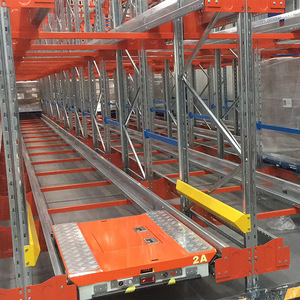
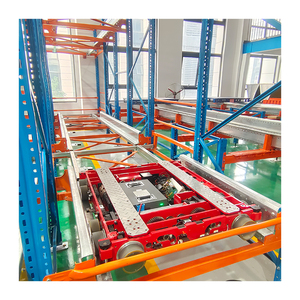
High-bay automated warehouses running automated radio shuttle racking require micro-precision pallet dimensions (+/- 0.5 mm tolerance). Wooden pallets warp and plastic flexes under heavy loads, causing laser sensor jams in ASRS systems. China-manufactured aluminum pallets remain rigid and dimensionally stable, eliminating costly automated warehouse shutdowns.
Key Trends Shaping Pallet Procurement in Brazil
Modern Brazilian enterprise logistics is undergoing structural modernization driven by sustainability mandates, automation investments, and regulatory tightening.
1. ESG & Carbon Footprint Decarbonization
Major Brazilian corporations listed on the B3 exchange are prioritizing Scope 3 emissions reduction. Aluminum industrial pallets are 100% recyclable. When retired after decades of use, their high scrap aluminum value allows companies to recover up to 70% of initial raw material costs while avoiding deforestation linked to single-use wood pallets.
2. Expansion of High-Cube Cold Storage Infrastructure
Driven by Brazil’s global leadership in protein export (beef, chicken, pork), investment in modern automated cold storage facilities has surged. Aluminum’s ability to remain structurally solid without becoming brittle in frozen environments makes it the prime material choice for high-density mobile and shuttle racking installations.
3. Direct OEM Sourcing from China Factories
To optimize capital expenditure (CAPEX), Brazilian procurement leads are increasingly bypassing domestic intermediaries to source directly from established Chinese aluminum pallet factories. This direct B2B supply model offers custom extrusion sizing, tailored structural racking compatibility, and competitive volume pricing.
Why Partnering with Our China Manufacturing Base Delivers Competitive Gain
We combine advanced metallurgical engineering, precision CNC manufacturing, and rigorous quality assurance to deliver world-class aluminum pallets and warehouse racking directly to Brazilian ports.
Custom Engineering & CAD/FEA Layouts
Our engineering team performs Finite Element Analysis (FEA) to simulate dynamic, static, and racking loads under specific Brazilian warehouse configurations. We customize deck profiles, runner channels, and corner gussets to fit your exact forklift prongs and conveyor tracks.
Stringent Quality Testing (ISO 8611)
Every export batch undergoes rigid testing in compliance with ISO 8611 (Pallets for material handling). We measure deflection limits (under L/200 standard), corner drop impacts, shear force resistance, and weld integrity before container loading.
Export Containerization & Maritime Logistics
Pallets are wrapped with protective film, interleaved with corner guards, and bundled securely on heavy-duty wooden or aluminum skids. Our logistics team handles full container load (FCL) packing efficiency to minimize ocean freight costs per unit to Santos, Paranaguá, and Rio de Janeiro.
Frequently Asked Questions by Brazilian Procurement Managers
Clear, direct answers to essential questions regarding customs, compliance, engineering customization, and delivery timelines.
1. What are the import tax considerations and NCM codes for aluminum pallets entering Brazil?
Aluminum industrial pallets are typically classified under NCM Code 7616.99.00 (Other articles of aluminum). When importing directly from China into Brazil, importers should account for Import Duty (II), Industrial Products Tax (IPI), PIS/COFINS, and local ICMS. Our export documentation specialists provide accurate Commercial Invoices, Packing Lists, Certificates of Origin, and Bill of Lading (B/L) details to ensure smooth Receita Federal customs clearance at ports like Santos or Paranaguá.
2. How do aluminum industrial pallets assist with ANVISA and MAPA compliance in Brazil?
ANVISA (Agência Nacional de Vigilância Sanitária) and MAPA strictly prohibit porous materials like untreated wood in high-risk food processing and pharmaceutical areas due to pest infestation, bacteria growth, and chemical shedding. Aluminum pallets feature smooth, non-porous surfaces that can be disinfected using high-temperature steam or chemical sanitizers, completely satisfying ANVISA RDC 301 cleanroom protocols and MAPA export standards.
3. How do aluminum pallets resist coastal salt spray near port areas like Santos?
Unlike carbon steel which rusts rapidly in humid marine environments, 6061-T6 aluminum naturally forms a protective oxide layer upon exposure to oxygen. Combined with our factory architectural anodizing treatment (10–15 microns), our pallets withstand salt spray, coastal humidity, and aggressive industrial washing without structural oxidation or pitting.
4. What is the typical Return on Investment (ROI) period compared to wooden or plastic pallets?
While the initial purchasing cost of aluminum pallets is higher than wood or plastic, their operational lifespan exceeds 15 years with virtually zero maintenance fees. In heavy-duty closed-loop logistics systems, Brazilian buyers achieve full financial break-even within 18 to 24 months by eliminating continuous wood repair costs, product contamination losses, ISPM-15 fumigation fees, and conveyor jamming downtime.
5. Can you manufacture custom pallet dimensions for specialized Mercosur logistics setups?
Yes. In addition to standard footprints such as 1200x1000 mm and 1200x800 mm, our facility custom-extrudes and cuts aluminum profiles to any required dimension. Whether you operate non-standard rack depths, specialized automated conveyor systems, or containerized export boxes, we engineer deck configurations, runner positions, and load capacities tailored to your specifications.
6. What is the standard lead time for shipping a container from China to Brazil?
Production lead time for standard full-container orders (20ft or 40ft HQ) ranges between 15 to 25 days depending on profile customization. Maritime transit from major Chinese ports (Ningbo, Shanghai, Qingdao) to main Brazilian ocean ports (Santos, Paranaguá, Rio Grande) generally takes between 30 to 40 ocean transit days.
Upgrade Your Brazilian Logistics Infrastructure Today
Consult with our engineering directors to calculate custom load specs, request 3D CAD models, or obtain factory-direct B2B pricing for your warehouse project.
Get a Quote