Engineering-Grade Industrial Racking Systems
Precision-fabricated cold-formed structural steel storage systems optimized for heavy loads, sub-zero cold room environments, and rapid logistics throughput.
1. Strategic Outlook: Cold Chain Expansion & Freezer Storage Dynamics in Pakistan
The logistics and supply chain sector across Pakistan is undergoing an unprecedented modernization shift. Driven by the expansion of the China-Pakistan Economic Corridor (CPEC), rapid growth in pharmaceutical cold distribution, and booming exports of perishables—including seafood from Port Qasim, citrus from Multan, and mangoes from Sindh—the demand for high-density, energy-efficient freezer pallet racking systems has reached an all-time high.
Operating a sub-zero cold warehouse in cities like Karachi, Lahore, or Faisalabad presents severe economic challenges: utility costs in Pakistan for industrial refrigeration are remarkably high. Maintaining a stable ambient temperature between -18°C to -30°C requires significant kilowatt-hour expenditure. Therefore, industrial warehouse planners can no longer rely on low-density selective racking. Maximum volumetric utilization per cubic meter of refrigerated space is vital to operational profitability.
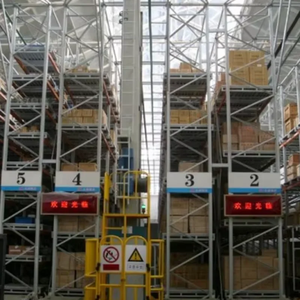
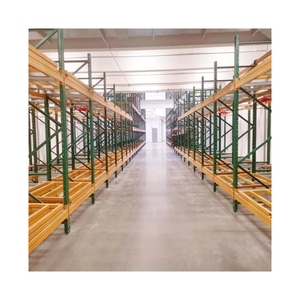
Key Information Gain for Pakistani Logistics Operators: Every cubic meter of unutilized air inside a freezer warehouse represents wasted electrical power. Upgrading from standard selective pallet racks to high-density semi-automated Radio Shuttle systems or Drive-In systems can increase storage capacity by 70% to 110% within the exact same structural footprint, reducing cooling power overhead per pallet position by up to 40%.
As a preeminent Chinese racking manufacturer with direct export operations serving Karachi, Lahore, and Islamabad, IronMax Storage Solutions Co., Ltd. delivers custom-engineered sub-zero racking systems optimized for extreme thermal variances, high humidity during coastal monsoon cycles, and local seismic conditions.
2. Structural Metallurgy & Low-Temperature Physics: Overcoming Embrittlement
Designing racking systems for freezer environments (-20°C to -30°C) requires specialized material selection. Standard commercial carbon steel (such as low-grade Q195 or Q235A) experiences a physical phenomenon known as the Ductile-to-Brittle Transition Temperature (DBTT) when subjected to prolonged sub-zero temperatures. Under continuous freezer stress, conventional steel loses its impact toughness, making upright frames and beams prone to catastrophic micro-fractures during routine forklift loading or accidental impact.
Structural Steel Grade Q355B / Q355D
Engineered for high structural resilience at -30°C. Possesses elevated manganese content and fine-grain normalization to guarantee impact energy compliance under EN 10025-3 testing.
Hot-Dip Galvanizing (HDG)
Conforming to ASTM A123 / ISO 1461, achieving a minimum 65µm to 85µm zinc coating thickness. Complete protection against condensation rust during freezer defrost cycles.
Cold-Resistant Epoxy Coating
Thermosetting TGIC-free pure epoxy powder coating baked at 200°C. Formulated specifically to prevent micro-cracking and flaking in high-humidity cold storage rooms.
Surface Protection: Hot-Dip Galvanized vs. Cold-Room Powder Coating
In Pakistan's coastal regions like Karachi, relative humidity levels during summer exceed 80%. When forklift trucks traverse between ambient staging areas and sub-zero freezer chambers, moisture rapidly condenses on the steel surface ("sweating"). Standard paint will fail within 12 to 18 months under these conditions, leading to internal corrosion beneath the paint film.
IronMax structural racking utilizes Hot-Dip Galvanizing (HDG) for upright frames, base plates, and floor anchor systems used in heavy-humidity cold stores. The zinc-iron alloy layers formed during the galvanizing process provide self-healing sacrificial protection, guaranteeing a 25+ year operational lifespan without maintenance downtime.
3. Technical Evaluation: Freezer Racking Architecture Performance Matrix
Choosing the correct high-density racking architecture depends on your inventory velocity, SKU variety, and material handling budget. Below is an engineering comparison matrix compiled by IronMax storage engineers to guide Pakistani logistics directors:
| Racking Architecture | Volumetric Space Density | Stock Flow (FIFO / LIFO) | Sub-Zero Energy Efficiency | Forklift Exposure in Cold Zone | Ideal Pakistan Industry Use-Case |
|---|---|---|---|---|---|
| Radio Shuttle Racking | 90% – 95% (Extreme) | Both FIFO & LIFO | Highest (95%) | Zero (Loads at aisle face) | Meat, Poultry, Seafood Export (Karachi / KPT) |
| Drive-In Racking | 75% – 85% (High) | Strict LIFO | High (80%) | High (Enters deep lanes) | Seasonal Agricultural Storage (Multan / Punjab) |
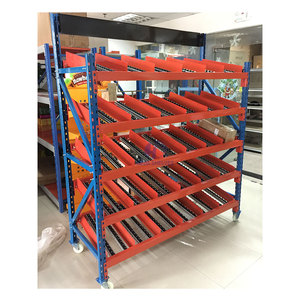
| Push Back Racking | 70% – 80% (Medium-High) | LIFO (2 to 6 deep) | Moderate (75%) | Zero (Loads at front beam) | Ice Cream & Dairy Products (Lahore / Faisalabad) |
| AS/RS Stacker Crane | 95% – 98% (Maximum) | Fully Automated FIFO | Maximum (98%) | None (Fully Automated) | Large-scale Pharma & FMCG Hubs (CPEC SEZs) |
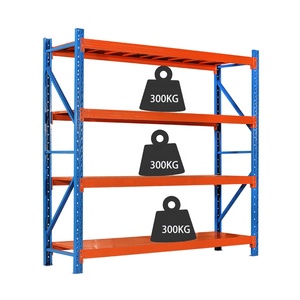
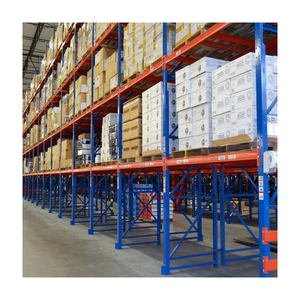
| Selective Pallet Rack | 40% – 50% (Standard) | 100% Direct Access | Low (45%) | Moderate (Main aisle travel) | Multi-SKU Commercial Distribution Cold Stores |
4. Localized Application Scenarios: Cold Chain Integration Across Pakistan
IronMax storage systems are tailored to solve region-specific logistics hurdles across Pakistan’s key commercial centers:
A. Karachi & Coastal Marine Export Hubs (Port Qasim & Karachi Port)
Marine seafood processing companies exporting frozen shrimp, ribbonfish, and crab require rapid container loading turnaround. IronMax Radio Shuttle Racking Systems allow high-density deep-lane storage up to 30 pallets deep. The shuttle cart moves at speeds of 1.2 m/s inside sub-zero tunnels (-25°C), drastically accelerating loading dock buffer throughput during peak export cycles.
B. Punjab Agricultural Belt (Lahore, Multan, Sahiwal, Sargodha)
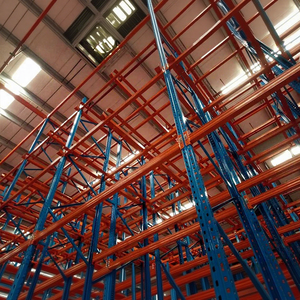
The agricultural heartland of Pakistan experiences massive seasonal peaks for citrus (Kinnow), potato, and mango harvests. Multi-tier Heavy Duty Drive-In Racks allow growers and third-party logistics (3PL) providers to stack heavy wooden or plastic pallets up to 6 or 7 levels high (12 meters vertical clearance), maximizing seasonal storage density while maintaining structural stability against thermal fluctuations.
C. Pharmaceutical & Chemical Storage (Faisalabad, Rawalpindi, Islamabad)
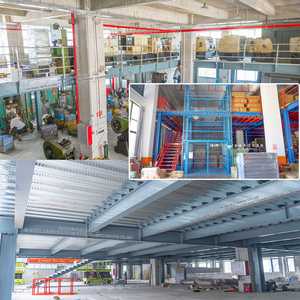
Strict WHO Good Distribution Practice (GDP) standards require strict batch control and zero thermal contamination. IronMax Automated Storage & Retrieval Systems (AS/RS) combined with structural mezzanine floors provide full traceability, zero human error, and sealed climate-controlled automation ideal for heat-sensitive vaccines and active pharmaceutical ingredients (APIs).
5. Seismic Engineering & Structural Safety Compliance (Building Code of Pakistan)
Pakistan is located in an active seismic belt, with significant portions of Baluchistan (Quetta - Zone 4), Khyber Pakhtunkhwa, and Northern Punjab classified under High Seismic Risk Zones (Zone 3 and Zone 4 according to BCP-SP07). Installing uncalculated pallet racks in high-density cold stores creates extreme collapse hazards under seismic shockwaves.
At IronMax, our engineering team utilizes finite element analysis (FEA) software to model 3D structural dynamic responses in accordance with international safety codes EN 15512, FEM 10.2.02, and RMI ANSI MH16.1:
- Seismic Base Plates & Expansion Anchors: Over-sized hot-dip galvanized base plates designed to dissipate horizontal shear forces, fastened with chemical anchors rated for dynamic cracked concrete.
- Heavy-Duty Diagonal Bracing: Custom frame bracing ratios engineered specifically for high top-heavy freezer storage loads under peak earthquake accelerations.
- Safety Locking Pins: Patented beam connector locks featuring 5-hook engagement mechanisms to prevent accidental beam dislodgement caused by forklift impact or ground tremors.
6. Strategic Sourcing: Trade Benefits & Shipping Logistics from China to Pakistan
Sourcing directly from IronMax Storage Solutions Co., Ltd. provides Pakistani buyers with unprecedented cost and quality advantages compared to localized domestic fabricators or expensive European importers:
CPFTA (Form E) Duty Exemption
Under the China-Pakistan Free Trade Agreement (Phase II), racking components supplied under HS Code 7308.9000 qualify for zero or concessional customs duty rates when accompanied by an official Certificate of Origin (Form E).
Direct Sea Freight Corridors
Seamless ocean container shipments from Qingdao or Tianjin ports directly to Port Muhammad Bin Qasim (Karachi) or Karachi Port Trust (KPT) with typical transit times of just 14 to 18 days.
Full Installation Support
Every export project includes detailed 3D installation CAD assembly drawings, piece-marked labeling, step-by-step video tutorials, and optional overseas installation engineering supervision.
7. Manufacturing Supremacy: Why Global Brands Choose IronMax Racking
IronMax Storage Solutions Co., Ltd. is a world-class racking manufacturer headquartered in Shandong Province, China. Operating a modern 45,000 m² production facility, our infrastructure includes:
- 16 High-Precision Continuous Cold Roll-Forming Lines: Producing ultra-precise upright columns with variable beam pitches (50mm / 75mm pattern) up to 15 meters continuous height.
- Automated Robotic Welding Cells: Guaranteeing 100% full-penetration structural welds on beam connectors for maximum fatigue resistance under thermal cycling.
- Swiss Gema Electrostatic Coating Line: Multi-stage automatic pre-treatment with zinc-phosphate washing to ensure total chemical bonding of powder coats on all steel components.
- Strict In-House Metallurgical Testing: Tensile strength testing, coating thickness gauges, salt spray corrosion test chambers, and full structural beam deflection testing.
8. Frequently Asked Questions (FAQ) for Pakistani Warehouse Procurement Directors
Clear, technical, and localized answers to common questions regarding sub-zero freezer racking procurement:
Why is hot-dip galvanized (HDG) racking recommended over standard powder coating for Karachi freezer facilities?
Karachi's coastal environment possesses high ambient humidity and salt spray air. When warehouse doors open, moist air enters sub-zero rooms, condensing heavily onto racking surfaces. Powder-coated steel can develop micro-rust if scratched by forklifts. Hot-dip galvanizing creates a metallurgical bond of zinc alloys (ASTM A123) that self-heals scratches and completely prevents rust formation under severe condensation cycles for decades.
How does sub-zero temperature (-25°C) affect structural pallet racking capacity?
Sub-zero conditions reduce the impact toughness of standard carbon steel, making it susceptible to brittle failure under sudden loads. IronMax mitigates this risk by utilizing certified Q355B/Q355D high-tensile structural steel, engineered to maintain full yield strength and impact resistance (tested via Charpy V-notch at -20°C to -40°C) strictly conforming to EN 15512 safety standards.
Can IronMax provide the CPFTA Form E for duty-free clearance at Port Qasim / KPT?
Yes. As a registered Chinese exporter, IronMax provides official Certificate of Origin (Form E) documents issued under the China-Pakistan Free Trade Agreement. This enables Pakistani importers to clear customs under preferential tariff classifications (HS Code 7308.9000), significantly reducing or eliminating basic customs duties.
What is the lead time for shipping racking systems from China to Karachi or Lahore?
Standard production lead time at our Shandong facility is 15 to 20 days following layout approval. Direct ocean freight transit from Qingdao/Tianjin ports to Karachi Port Trust (KPT) or Port Qasim takes approximately 14 to 18 days. Inland transit via container trailers to Lahore, Faisalabad, or Islamabad typically adds 2 to 4 days.
Which racking system delivers the highest return on investment (ROI) for cold room energy savings?
The Radio Shuttle Racking System offers the highest ROI for sub-zero warehouses. By eliminating inner forklift aisles, it achieves up to 90% space utilization. Storing more pallets in a smaller refrigerated volume directly cuts electrical cooling costs per pallet position by up to 35%–45%, while dramatically reducing forklift-induced rack damage in tight freezer corridors.
Are IronMax racking designs compliant with local seismic requirements in Pakistan?
Yes. Our engineering team performs site-specific seismic calculations based on the Building Code of Pakistan (BCP-SP07). For high-risk seismic zones such as Quetta (Zone 4) or Lahore/Islamabad (Zone 3), we engineer heavy-duty base plates, enlarged anchor bolt diameters, and reinforced frame bracing patterns to guarantee structural stability during seismic shocks.
Optimize Your Cold Storage Footprint with IronMax Engineering
Planning a new freezer warehouse in Karachi, Lahore, Faisalabad, or along the CPEC corridor? Contact our engineering team today for a free CAD layout design, structural load calculation, and factory-direct quotation.
Get a Quote