Industrial Reach Truck Storage Racking Portfolio
Engineered for dynamic load distribution, structural rigidity under high lifting elevations, and maximum volumetric utilization in high-bay distribution centers.
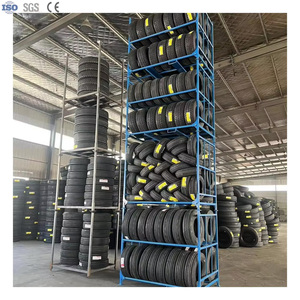
Powder Coating Portable Steel Truck Storage Multi Layer Stacking Metal Tire Stackable Pallet Racks
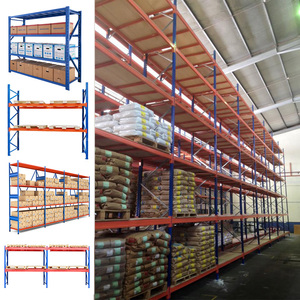
Certified Light Duty Cargo Tile Rack & Storage Shelving System (1000KG - 3000KG)
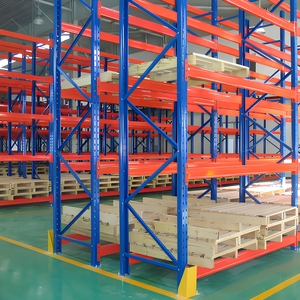
Heavy Duty Double Deep 5-Pallet Racking System for Reach Truck Access
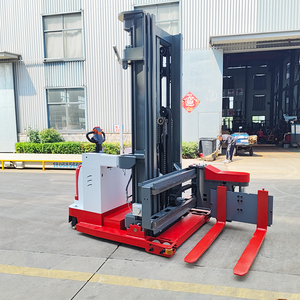
2000kg Electric Lithium-Ion Reach Truck (6000mm Mast) for High Rack Storage

Narrow Aisle Steel Warehouse Building Racking with Galvanized Frame System
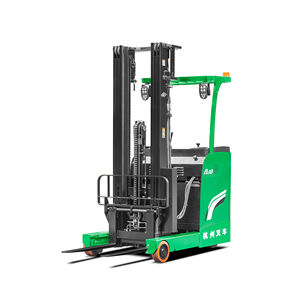
1.5T - 2.5T Electric Reach Truck Series with 3m to 10m Triplex Mast Configuration
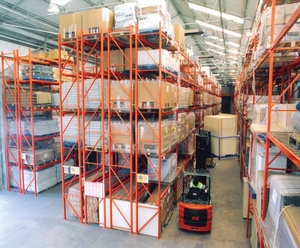
High Capacity Double Deep Pallet Racking Optimized for Reach Truck Forklifts

Heavy Duty High Lift Reach Truck (Up to 10 Meters) for Narrow Aisle Pallet Racks
Engineering Principles of Reach Truck Storage Racking Integration
Authoritative analysis on structural steel selection, aisle width minimization, dynamic deflection calculations, and total cost of ownership (TCO) optimization for modern B2B logistics hubs.
In modern industrial logistics, the synergy between material handling equipment (MHE)—specifically electric reach trucks—and structural steel warehouse pallet racking dictates the operational efficiency, safety, and volumetric yield of fulfillment centers worldwide. As land costs escalate globally, logistics managers are compelled to maximize clear building height while shrinking operational aisle widths. Reach truck storage racking systems represent the optimal engineering equilibrium between 100% pallet selectivity and high-density storage layout.
Unlike standard counterbalance forklift systems requiring aisle clearances exceeding 3.8 to 4.5 meters, customized reach truck storage racking operates seamlessly within narrow aisle parameters (typically 2.7 to 3.0 meters). By utilizing outrigger legs and a moving pantograph or telescopic mast mechanism, reach trucks transfer load weight directly inside the footprint of the vehicle. This structural dynamic requires precision-machined pallet racking frames engineered with strict deflection limits, reinforced upright profiles, and tight manufacturing tolerances in cold-rolled high-tensile steel (Q235B and Q355B grades).
Structural Deflection Integrity
Racking systems engineered under FEM 10.2.02 and ANSI MH16.1 guidelines enforce a maximum beam deflection ratio of L/200 or L/180. This guarantees structural stability during high-elevation reach truck placement at heights up to 12 meters.
Double-Deep Reach Mechanics
Double-deep racking layouts store pallets two-deep in back-to-back structures. Specialized double-pantograph reach trucks access second-depth positions, instantly boosting warehouse volume utilization by up to 50% over conventional selective racking.
Seismic Baseplate & Anchorage
Heavy-duty cold-formed upright columns utilize heavy-gauge anchor baseplates engineered with seismic shear resistance ($S_{ds}$) factors, ensuring racking towers absorb dynamic impact load without horizontal rotation.
Comparative Matrix: Reach Truck Storage Systems Architecture
Selecting the correct racking architecture requires evaluating stock-keeping unit (SKU) diversity, inventory turnover velocities, and available net height. Below is an engineering trade-off comparison between primary reach-truck-compatible storage designs:
| Racking Architecture | Aisle Width (AST) | Volumetric Storage Density | SKU Selectivity Ratio | Optimal Forklift Configuration | Structural Footprint Efficiency |
|---|---|---|---|---|---|
| Selective Pallet Racking | 2.8m - 3.1m | Baseline (100%) | 100% Direct Access | Standard Moving Mast Reach Truck | 40% - 50% Floor Utilization |
| Double-Deep Pallet Racking | 3.0m - 3.3m | High (+50%) | 50% Immediate Access | Telescopic Pantograph Reach Truck | 60% - 65% Floor Utilization |
| Very Narrow Aisle (VNA) | 1.6m - 1.9m | Maximum (+85%) | 100% Direct Access | Turret Truck / Guided VNA Reach Truck | 75% - 85% Floor Utilization |
| Drive-In / Drive-Through | N/A (Lanes) | Ultra High (+75%) | LIFO / FIFO Bulk | Compact Stand-On Reach Truck | 70% - 80% Floor Utilization |
Mathematical Engineering Blueprint: Reach Truck Aisle Width Calculation
To prevent costly warehouse floor redesigns, structural engineers calculate the minimum Right Angle Stacking Aisle ($AST$) for reach truck racking using standardized geometric formulas. The total clear aisle distance must incorporate safety clearance increments ($a = 200\text{ mm}$ minimum):
Where:
• Wa = Reach Truck Turning Radius (outer wheel curve radius)
• R = Distance from Drive Axle Centerline to Front Face of Forks / Load
• L_p = Length of Pallet in Load Direction (e.g., 1200mm Euro/ISO standard)
• a = Operational Safety Margin (minimum 200mm for driver clearance & frame protection)
In high-bay racking systems exceeding 8,000 mm top-beam elevation, additional mast tilt and sway dynamic coefficients must be factored in. For these applications, IronMax upright frames incorporate 90mm or 100mm wide front profiles with structural diagonal bracing welded at 600mm node centers to counteract torsional sway during pallet placement.
Future Procurement Trends in Reach Truck Storage Systems
Key technological shifts driving global procurement decisions among logistics directors, warehouse architects, and industrial equipment buyers.
Lithium-Ion & AGV Reach Truck Convergence
The global rapid shift from lead-acid to high-density Lithium-Ion battery systems has reduced reach truck chassis lengths by up to 15%. Procurement leads are specifying narrower racking bottom clearance rails to take full advantage of smaller turning radii and automated AGV reach truck navigation lines.
IoT-Enabled Smart Frame Monitoring
Modern high-bay reach truck racks are increasingly fitted with embedded shock-sensor telemetry and strain gauges. Real-time dynamic monitoring alerts facility engineers to fork impacts or unlevel beam loading, ensuring proactive maintenance before structural failure occurs.
Cold Storage Thermal Galvanizing Trends
With cold-chain pharmaceutical and food logistics expanding, buyers are transitioning away from standard painted racking toward hot-dip galvanizing (HDG) or zinc-epoxy dual coatings. This eliminates microscopic paint flaking under -30°C freezer room expansion and contraction cycles.
Need a Customized Storage Racking Engineering Layout?
IronMax Storage Solutions Co., Ltd. provides CAD/BIM drawing support, load-calculation structural certificates, and site-specific seismic layout design for international project bids.
Why Global Importers & EPC Contractors Partner with IronMax
Direct factory production base in Shandong, China—engineered under strict European FEM and American RMI structural standards.
Integrated Cold Roll-Forming Infrastructure
Our manufacturing base operates high-precision continuous roll-forming lines capable of processing up to 4.0mm thick high-grade Q355B steel coil into multi-rib upright columns, ensuring uniform structural strength across 12+ meter continuous vertical runs.
Rigorous QA/QC Testing & Weld Integrity
Every beam-to-column connector lug is robotically welded and ultrasonic flaw-tested. Pre-treatment chemical washing and electrostatic epoxy powder curing guarantee salt-spray corrosion resistance exceeding 500 hours.
Turnkey CAD & Load Calculation Reports
Our team of 120+ skilled engineers and technicians generates detailed 2D layouts, 3D clearance simulations, and certified structural calculation books matching your exact reach truck mast height and floor loading limits.
Export-Ready Container Loading Protocol
Uprights and box beams are wrapped in multi-layer protective film, bound with steel strapping on custom wooden skids, and loaded with heavy-duty forklift ramps to guarantee zero surface scratch or deformation during ocean transit.
Frequently Asked Questions: Reach Truck Racking Procurement
Expert answers from our chief structural design engineers to clear up operational and procurement inquiries.
1. What aisle width is required for a standard electric reach truck in pallet racking?
For standard 1.5-ton to 2.5-ton electric reach trucks handling standard 1200mm x 1000mm pallets, the required clear right-angle stacking aisle (AST) typically ranges between 2,700 mm and 3,000 mm. If double-deep pantograph reach trucks are utilized, aisle requirements expand slightly to approximately 3,100 mm to 3,300 mm to accommodate extended outrigger leverage and frame clearance.
2. How does double-deep pallet racking increase storage density with reach trucks?
Double-deep pallet racking eliminates every second aisle by storing pallets two deep in back-to-back rack structures. This increases overall floor space utilization by up to 50% compared to standard single-selective racking. Accessing the second-depth pallet requires an electric reach truck equipped with a pantograph extension or telescopic forks.
3. What steel grades and thickness specs does IronMax use for heavy-duty uprights?
IronMax manufactures heavy-duty racking columns using certified Q235B and high-tensile Q355B structural cold-rolled steel. Material gauges range from 1.5mm up to 3.0mm depending on frame height and seismic load requirements. Uprights feature continuous omega-profile press-forming with multi-rib bends to maximize torsional stiffness.
4. What safety factor is built into IronMax pallet racking load ratings?
All IronMax pallet racking systems are engineered with a minimum structural safety factor of 1.65 to 1.8 based on ultimate material yield stress, complying strictly with European FEM 10.2.02 and ANSI/RMI MH16.1 specifications. Beam deflection under full safe working load (SWL) is strictly capped at L/180 or L/200.
5. Can reach truck racking systems be customized for cold storage environments?
Yes. For sub-zero cold storage facilities operating at -25°C to -30°C, we provide hot-dip galvanized (HDG) surface finishes or specialized low-temperature powder coatings. Steel components undergo special notch-toughness testing to prevent brittle fracture under extreme freeze conditions.
6. How do I choose between standard selective racking and Very Narrow Aisle (VNA) racking?
Standard selective racking with reach trucks is ideal if your building height is under 8 meters and you require lower capital expenditure on forklifts. VNA racking shrinks aisles to 1.6m - 1.8m and allows storage up to 15 meters high, requiring specialized turret VNA trucks or wire-guided reach trucks, offering maximum space compression.
7. What floor slab requirements are mandatory for high-bay reach truck racks?
For racking heights exceeding 6 meters, floor slab concrete strength must be at least C25/C30 grade with a point load bearing capacity exceeding 50 to 80 kN per upright post. Floor flatness must adhere to DIN 18202 or VDMA guidelines to prevent excessive reach truck mast lean at high lift elevations.
8. Does IronMax provide installation engineering and on-site guidance?
Yes. Every shipment includes step-by-step 3D assembly manuals, structural anchor torque charts, and component marking keys. For major distribution projects, IronMax can dispatch senior installation supervisors on-site or conduct live video technical commissioning support.
9. How are upright frame protectors specified to prevent forklift collision damage?
We supply heavy-duty steel angle frame protectors (5mm - 8mm thickness) anchored directly to the concrete floor independently of the rack upright baseplate. Column guards wrapped with high-density polyurethane (PU) absorption sleeves are also available for high-traffic aisle intersections.
10. What information is needed to obtain a fast factory quotation?
To receive an engineered drawing and detailed price quote within 24 hours, please provide: (1) Warehouse CAD layout or inner dimensions with clear roof height, (2) Pallet size (W x D x H) and gross weight per pallet, (3) Reach truck model or maximum lifting height/turning radius, and (4) Desired temperature range.
Accelerate Your Warehouse Capacity with IronMax Engineering
Partner with China's premier reach truck storage racking manufacturer. Contact our structural design team today for free layout planning, load calculations, and competitive OEM factory pricing.