Featured Industrial Racking & Heavy-Duty Storage Systems
Explore top-tier high-density storage configurations manufactured under ISO 9001 and FEM 10.2.02 international quality standards.
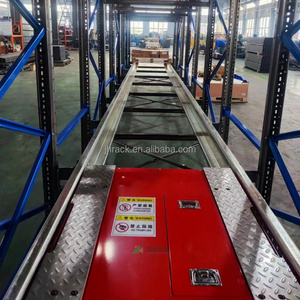
Automated Stackable Metal Shelves Storage Racks ASRS Pallet Shuttle Racking
Send an Inquiry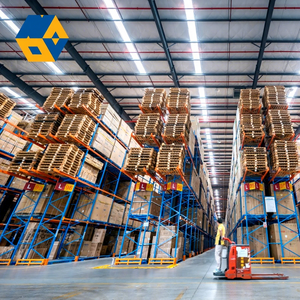
Heavy Duty 2000KG Per Layer Large Capacity Warehouse Beam Stacking Rack
Send an Inquiry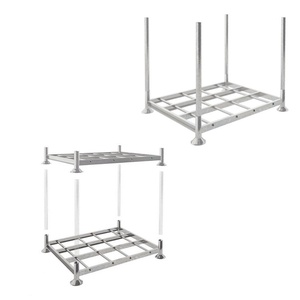
Industrial Detachable Commercial Adjustable Vertical Stillage Storage Rack
Send an Inquiry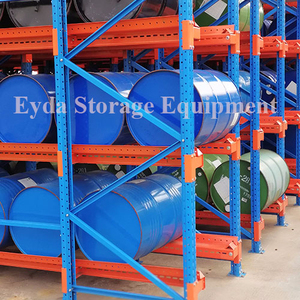
Industrial Steel Q235 Drive-In Pallet Rack for Heavy Drum & Bulk Storage
Send an Inquiry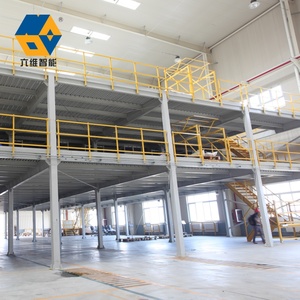
Customized Industrial Mezzanine Heavy Duty Steel Platform Storage System
Send an Inquiry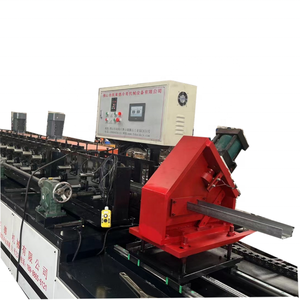
High Productivity Motorized Steel Pallet Storage System with PLC Touch Control
Send an Inquiry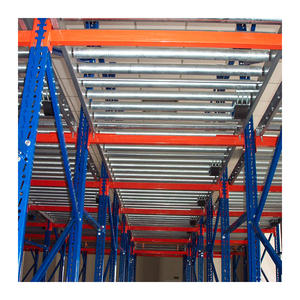
Pallet Flow Rack High Quality FIFO Gravity Storage Racking System
Send an Inquiry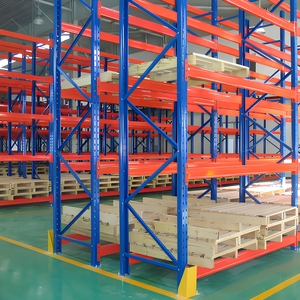
Steel Heavy Duty Double Deep 5 Pallet High Density Warehouse Racking
Send an Inquiry1. Structural Engineering and Mechanical Principles of Drive-In Racking
Drive-In pallet racking represents one of the most efficient high-density storage solutions available for modern logistics infrastructure. By eliminating traditional access aisles required by reach trucks and counterbalance forklifts, Drive-In systems convert up to 85% of total warehouse floor area into usable storage footprint. Unlike standard selective racking where beams directly support loads between upright frames, Drive-In racking relies on continuous cantilever pallet rails supported by specialized side arms attached directly to upright columns.
Modern Chinese racking manufacturers utilize advanced finite element analysis (FEA) to calculate the elastic-plastic response of cold-formed steel sections under static, dynamic, and seismic forces. Key structural components of a industrial-grade Drive-In system include:
- Cold-Formed Upright Columns: Manufactured primarily from high-grade Q235B or Q355B structural steel, featuring 11-fold or 13-fold profile cross-sections to maximize section modulus and resistance to buckling under axial loads.
- Top portal Bracing & Back Bracing: Rigid horizontal and diagonal structural trusses installed across the top tier and back plane (in Drive-In configurations) to establish structural integrity along both X and Y axes.
- Cantilever Rail Arms: Heavy-gauge stamped steel support brackets engineered with multi-hook locking mechanisms to secure pallet support rails while resisting vertical shear stresses.
- Floor Guide Rails (Ground Protection): Structural angle steel or heavy-duty floor-anchored channels running along the entry lanes to guide forklift wheels safely through the rack depth, preventing frame collision.
Technical Comparison: Structural Steel Specifications in Racking Manufacturing
| Steel Grade / Parameter | Yield Strength (Fy) | Tensile Strength (Fu) | Recommended Application | Corrosion Resistance Option |
|---|---|---|---|---|
| Q235B Cold-Rolled Steel | ≥ 235 MPa | 375 - 500 MPa | Standard dry ambient warehouses, medium load uprights (< 2000kg/level) | Electrostatic Epoxy Powder Coat (60-80 microns) |
| Q355B High-Strength Steel | ≥ 355 MPa | 470 - 630 MPa | Heavy-duty Drive-In lanes, cold storage (-30°C), high seismic zones | Hot-Dip Galvanizing (HDG) to EN ISO 1461 (> 65 microns) |
| SS400 Industrial Steel | ≥ 245 MPa | 400 - 510 MPa | Standard horizontal beams, tie rods, and floor guide rails | Thermosetting Polyester Coating |
2. Operational Comparison: Drive-In (LIFO) vs. Drive-Through (FIFO) Systems
When evaluating high-density storage solutions, industrial procurement managers must align rack structural geometry with warehouse inventory velocity and stock control rules. While both configurations share structural DNA, their operational dynamics differ significantly:
Drive-In Configuration (LIFO)
Features a single entry/exit side. Forklifts enter the lane from one direction to deposit and retrieve pallets. Operates strictly on a Last-In, First-Out (LIFO) inventory protocol. Ideal for long shelf-life products, batch manufacturing, cold storage, and non-perishable bulk goods where stock rotation per individual pallet is not required.
Drive-Through Configuration (FIFO)
Features dual access points (separate loading and picking faces). Pallets are loaded from the rear access aisle and picked from the front lane, creating a First-In, First-Out (FIFO) flow. Requires strict warehouse floor space dedicated to both loading and unloading aisles, slightly reducing net cubic storage density compared to Drive-In.
Radio Shuttle Evolution
Combines Drive-In density with automated shuttle carts running inside channels. Forklifts no longer enter the rack lanes, eliminating structural collision risks and increasing picking speed by up to 50%. Seamlessly switches between FIFO and LIFO via software command.
3. Evaluating Top China Drive-In Pallet Racking Manufacturers
China produces over 60% of the world's commercial and industrial storage racking systems. However, engineering capabilities, raw material consistency, and structural testing standards vary significantly across suppliers. For global supply chain directors, EPC contractors, and warehouse operators, evaluating a manufacturing partner requires looking beyond unit price per ton.
Key Quality Assurance Indicators for International Buyers:
Steel Sourcing & Traceability
Top-tier factories source prime coils exclusively from Tier-1 state-owned steel mills such as Baosteel, Shougang, or Ansteel. Mill Test Certificates (MTC) matching EN 10204 3.1 must verify chemical composition and mechanical yield performance.
Precision Roll-Forming Tolerances
Automated continuous roll-forming lines with online laser monitoring ensure upright hole pitch tolerance within ±0.1mm over 12-meter continuous column lengths, preventing cumulative assembly stress during installation.
Surface Pre-treatment & Coating
Automated 7-stage acid pickling, phosphating, and deionized water rinsing prior to electrostatic powder deposition prevents sub-film rust creep. Minimum salt-spray resistance must exceed 500 hours (ASTM B117).
4. Integrated Manufacturing Excellence & Export Capabilities
As a premier Chinese manufacturer specializing in heavy-duty logistics equipment, our manufacturing infrastructure is built upon precision engineering, rigorous material testing, and end-to-end project management customized for overseas B2B procurement.
Full In-House Manufacturing
From coil slitting and automated CNC punching to continuous roll-forming, robotic MIG welding, and thermosetting powder coating, 100% of structural manufacturing occurs under our direct control. This eliminates subcontractor delays and guarantees batch-to-batch structural uniformity.
Engineering & CAD Layout Support
Our in-house structural engineers evaluate your warehouse architectural drawings, floor slab load limitations, forklift turning radius requirements, and pallet specifications to deliver optimized 2D CAD layout plans and 3D structural renderings within 24 hours.
Export Packing & Logistics
Upright frames and beams are bundled using heavy-duty steel strapping, corrugated corner protection, and protective plastic wrapping to eliminate transit damage. Component bundles are dimensioned specifically to maximize 40ft High Cube container volumetric load capacity.
5. Future Trends in Drive-In Racking & High-Density Warehousing (2025–2030)
Industrial storage is undergoing a rapid technological evolution driven by rising real estate costs, labor shortages, and stringent energy efficiency goals in cold chain logistics. Key industry vectors transforming Drive-In racking over the next decade include:
A. Hybrid Automated Pallet Shuttle Integration
Traditional Drive-In systems are increasingly being upgraded to semi-automated and fully automated Radio Shuttle platforms. By deploying self-powered shuttle vehicles inside the storage channels, warehouses retain the 85% space density of Drive-In racking while eliminating the risk of forklift strikes inside the bays.
B. Smart Telemetry & Impact Detection Sensors
Next-generation Drive-In racking structures are incorporating IoT strain-gauge sensors and acoustic wave strike detectors along primary upright frames. Real-time telemetry alerts warehouse safety officers to structural displacement or hidden micro-cracks resulting from equipment impacts before catastrophic structural failure can occur.
C. Sustainable Zero-VOC & High-Durability Surface Finishes
Environmental regulations are accelerating the adoption of zero-VOC thermosetting powder coatings and heavy-duty galvanized surface treatments designed to withstand harsh sub-zero cold room environments down to -30°C without flaking, embrittlement, or corrosion.
Frequently Asked Questions (FAQ)
Direct technical insights to guide industrial procurement decisions and layout planning.
What is the typical load capacity per pallet position in Drive-In racking systems?
Standard engineered Drive-In pallet racking supports loads ranging from 500 kg up to 2,000 kg per pallet position. Total bay load capacity can exceed 15,000 kg depending on upright steel profile gauge (1.8mm to 2.5mm), rack height, depth of the drive lane, and seismic safety requirements.
How deep can a Drive-In racking lane safely extend?
Drive-In lanes are commonly designed between 3 to 10 pallets deep per side. While deeper lanes maximize cubic density, lanes exceeding 7 pallets deep can slow down operator retrieval speed and increase collision risk unless floor-mounted forklift guide rails or automated radio shuttle carts are implemented.
When should buyers choose powder coating vs. hot-dip galvanizing?
Electrostatic epoxy powder coating (60–80 microns) is ideal for standard indoor ambient warehouses, offering cost efficiency and custom corporate color branding. Hot-Dip Galvanizing (HDG to ISO 1461) is strongly recommended for sub-zero cold storage freezers (-30°C), outdoor semi-sheltered installations, and high-humidity environments where rust prevention is critical.
What floor slab requirements are necessary for installing high-density Drive-In racking?
Because Drive-In systems concentrate heavy loads onto point anchors without continuous cross-beams, concrete floor slabs must typically deliver a compressive strength of C25/C30 minimum, with a minimum thickness of 150mm to 200mm. Flatness according to DIN 15185 or FM2 specification is recommended to prevent forklift lean within narrow drive channels.
How does China manufacturing ensure structural safety compliance for North American or European markets?
Reputable Chinese manufacturers conduct full-scale physical loading tests on column profiles, beam connectors, and cantilever support arms. Designs undergo rigorous FEA modeling certified against European FEM 10.2.02 / EN 15512 standards and American RMI ANSI MH16.1 specifications. Third-party inspection reports (SGS, TÜV, Intertek) are routinely provided prior to shipment.
Optimize Your Warehouse Floor Plan & Structural Efficiency
Send us your warehouse CAD drawing, clear ceiling height, pallet dimensions, and total unit weights. Our structural engineering team will prepare a full 2D/3D layout proposal and factory-direct quotation within 24 hours.
Send an Inquiry