Engineered Warehouse Storage Product Portfolio
Explore high-capacity push-back arrays, radio shuttle systems, and industrial racking platforms tailored for high-density inventory optimization.
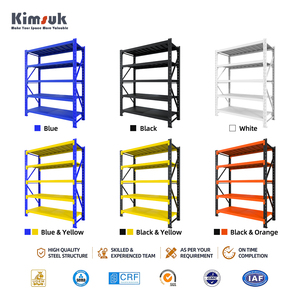
Customized Industrial Rack Heavy Duty Pallet Rack System Warehouse Storage Shelf
Send an Inquiry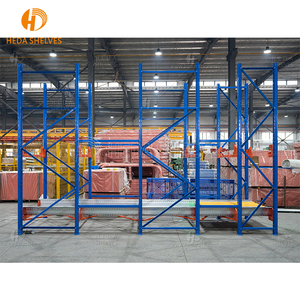
Warehouse Semi-automatic Racking System 4 Ways Direction Shuttle Car Remote Control
Send an Inquiry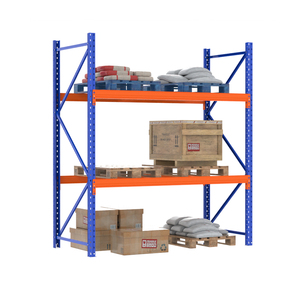
3 Layer Heavy-Duty Metal Storage Rack Steel Pallet Rack Wholesale Solution
Send an Inquiry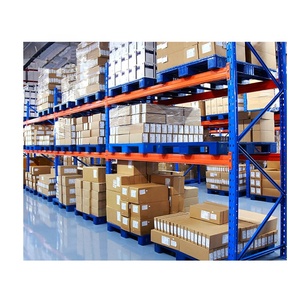
Garage & Factory Steel Warehouse Heavy Duty Shelving Single Deep Pallet Rack
Send an Inquiry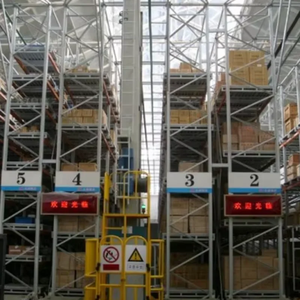
AS/RS Automated Warehouse System High-Density Racking with Stacker Crane
Send an Inquiry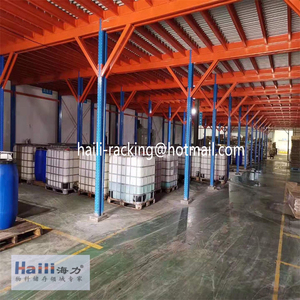
Strong Load Capacity Durable Steel Structure Pallet Rack Supported Mezzanine
Send an Inquiry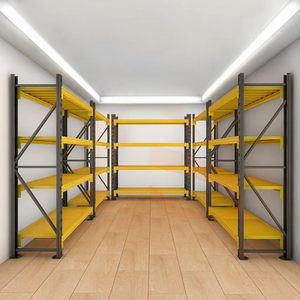
Extra Layer 1200*D400 Heavy Industrial Warehouse Pallet System Racking
Send an Inquiry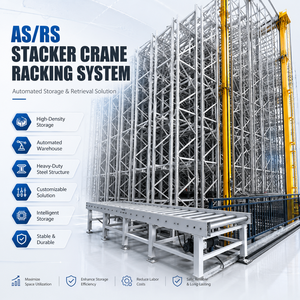
Automated ASRS Mezzanine Rack Stacker Crane High Density Racking OEM ODM
Send an InquiryEngineering Mechanics & Architecture of Push Back Pallet Racking
An authoritative analysis of gravity-assisted nested cart mechanisms, slope mechanics, and structural load calculations for high-density B2B storage environments.
1. Kinematic Principles & Nested Cart Dynamics
Push Back Pallet Racking represents one of the most space-efficient Last-In, First-Out (LIFO) dynamic storage technologies available in modern logistics architecture. Unlike standard selective racking which requires dedicated aisles for every row, push back systems utilize a series of nested, telescoping carts riding on inclined structural steel rails set at a precise 1.5-degree to 2.0-degree gradient.
When loading, the first pallet is deposited by a standard forklift onto the top nested cart. To store subsequent pallets, the forklift operator aligns the incoming pallet against the stored pallet and physically pushes it backward along the rail track, exposing the secondary nested cart beneath. This push-back action compresses the cart stack deeper into the bay. Upon unloading, gravity smoothly advances the remaining carts forward to the front pick face at a controlled speed whenever a pallet is retrieved, eliminating the need for forklifts to enter the racking structure.
2. Structural Steel Metallurgy & Safety Factors
Industrial push back racking arrays manufactured by top tier OEM factories utilize high-tensile cold-rolled steel (predominantly Q235B and Q355B structural steel grades). The upright frames are engineered to withstand massive static loading and dynamic impact forces from loading operations.
Key safety mechanisms integrated into premier push-back cart designs include:
- Linked Cart Safety Stops: Physical mechanical lugs prevent cart derailment and over-travel when pushing heavy unit loads.
- Precision Polyurethane Flanged Wheels: Heavy-duty sealed ball bearings provide smooth rolling friction while resisting flat-spotting under continuous load pressure.
- Dynamic Anti-Pinch Bumpers: Engineered gap tolerances prevent operator injury and shield wheels from ambient debris or damaged wooden pallet splinters.
Comparative Matrix: High-Density Storage Technologies
| Racking Architecture | Storage Density | Selectivity Rate | Stock Rotation | Forklift Damage Risk | Ideal Inventory SKU Profile |
|---|---|---|---|---|---|
| Push Back Racking | Very High (75%) | Medium (Per Lane) | LIFO | Low (Forklift Stays in Aisle) | Medium SKU count, 2-6 pallets per SKU |
| Selective Pallet Racking | Standard (35-40%) | 100% Selective | FIFO / LIFO | Medium | High SKU count, low volume per SKU |
| Drive-In Racking | High (65-70%) | Low (Per Bay) | LIFO | High (Forklift Enters Frame) | Low SKU count, massive homogenous stock |
| Radio Shuttle Racking | Ultra-High (85%+) | Medium (Per Lane) | FIFO & LIFO | Very Low (Automated Shuttle) | High volume, automated distribution centers |
Evaluating the Top 10 Push Back Pallet Racking Manufacturers & Factories
Key technical criteria and quality control benchmarks for international procurement directors and logistics engineers.
1. Structural FEA Stress Simulation
Leading factories perform Finite Element Analysis (FEA) under simulated seismic and maximum static loading to guarantee compliance with AS4084-2023 and RMI (ANSI MH16.1) international standards.
2. Precision Slope Calibration
Top push back factories pre-test track gradients in-house to calibrate cart movement friction based on specific customer pallet weights (500kg up to 1500kg per cart).
3. Automated Manufacturing Rigor
Facilities equipped with continuous cold roll-forming mills, automated robotic MIG welding stations, and 10-stage phosphatizing powder coating lines ensure zero-defect output.
4. Export Packaging & Container Density
Industrial suppliers bundle upright frames, nest carts into custom steel crates, and wrap painted surfaces with protective film to eliminate ocean transport corrosion and damage.
5. Full Traceability & Material Certification
Premium original equipment manufacturers provide chemical composition test reports, yield strength certificates, and batch mill certificates for every order dispatched.
6. Turnkey Design Support
From preliminary DWG warehouse layout CAD files to 3D BIM rendering, qualified engineering suppliers work directly with logistics managers to optimize layout efficiency.
Future Procurement & Technological Evolution in Push Back Racking
How cold chain integration, IoT smart sensors, and automated hybrid systems are redefining modern high-density warehousing.
1. Low-Temperature Cold Chain Metallurgy
Cold storage facilities operating down to -30°C require specialized micro-alloy steel configurations that resist low-temperature embrittlement. Modern push back cart arrays utilize low-viscosity synthetic lubricants and frost-resistant synthetic wheels to prevent cart freeze-ups in refrigerated logistics hubs.
2. IoT Sensor-Embedded Telemetry
Next-generation push back systems incorporate optical and load-cell sensor arrays within the rail tracks. Real-time telemetry alerts warehouse supervisors to cart position anomalies, structural stress, or operator impact incidents, transforming passive steel into active smart infrastructure.
3. Hybrid Push-Back / AGV Integration
With the rapid rise of Autonomous Guided Vehicles (AGVs) and automated forklifts, push back cart entry alignment tolerances have been engineered with mechanical guide funnels. This permits seamless robotic insertion and extraction of pallets without human intervention.
IronMax Manufacturing Excellence & OEM Advantage
IronMax Storage Solutions Co., Ltd. is a premier storage equipment manufacturer headquartered in Shandong, China. Operating state-of-the-art roll forming and robotic fabrication facilities, IronMax specializes in designing high-load push back racking, selective pallet racking, radio shuttle arrays, and heavy-duty steel structure mezzanines.
Our structural engineering department utilizes advanced CAD stress modeling to deliver customized high-density storage configurations engineered specifically for your building parameters, load profiles, and forklift handling equipment.
- Strict adherence to ISO 9001, CE, and international steel construction standards.
- Fully integrated production: cold roll-forming, automatic welding, surface pre-treatment, powder coating.
- Comprehensive export logistics: custom steel cradles, container loading optimization, site installation drawings.
Enterprise Quality Assurance Matrix
Frequently Asked Questions (B2B Procurement FAQ)
Technical and commercial clarity for warehouse engineers, logistics managers, and industrial buyers.
How deep can a push back pallet racking lane be engineered?
What is the standard load capacity per cart in a push back rack system?
Does push back racking require special forklifts?
What is the maintenance requirement for nested push back carts?
How do push back racks perform in cold storage environments?
What information is required to receive a full CAD layout and quote?
Request Your Custom Push Back Racking Engineering Layout Today
Partner directly with China's leading warehouse storage rack manufacturer. Get direct factory pricing, structural calculations, and worldwide shipping support.