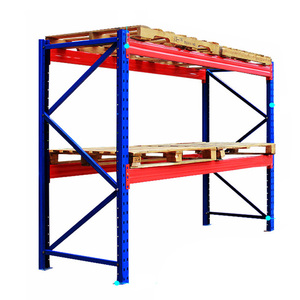
Outdoor Heavy-Duty Metal Pallet Storage Rack System
Load Capacity: 1000KG - 3000KG / Level
Surface: Hot-Dip Galvanized / Outdoor Powder
Send an Inquiry
Engineered for high-throughput fulfillment centers, cold-storage automated systems, and high-density industrial logistics.
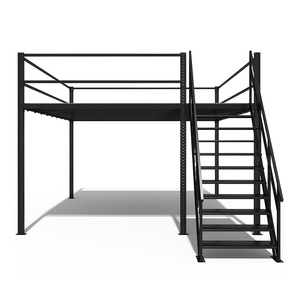
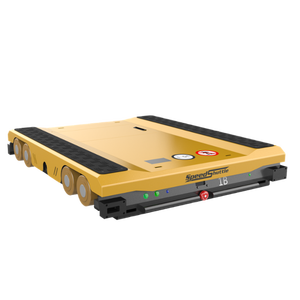
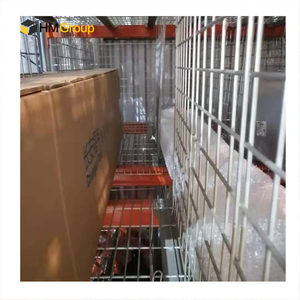
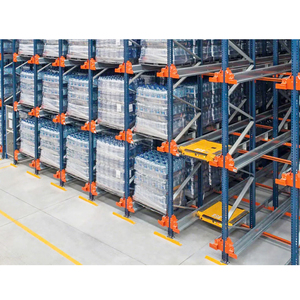
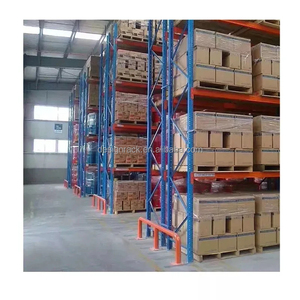
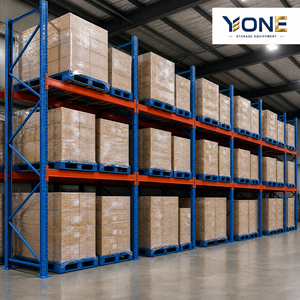
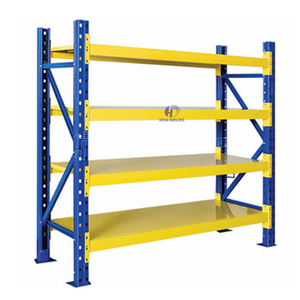
Modern global logistics has crossed a critical threshold. Driven by skyrocketing real estate acquisition costs, persistent labor shortages, and demanding omnichannel fulfillment SLA requirements, enterprise warehouse managers are migrating rapidly from traditional static selective racking to Automated Pallet Handling Systems. According to global material handling benchmarks, high-density automated systems reduce facility footprints by up to 60% while expanding vertical storage utilization up to 40 meters.
Evaluating an automated pallet handling supplier requires looking beyond basic steel fabrication. True supply chain resilience relies on precision roll-forming tolerances, structural deflection ratios compliant with FEM 10.2.02 and RMI standards, dynamic load stability, and seamless integration between physical structural racks, autonomous shuttle vehicles, and Warehouse Control System (WCS) software modules.
Top-tier manufacturers differentiate themselves by engineering high-precision shuttle tracks (accumulated tolerance under ±1.0mm over 100 meters), using structural steel grades like Q355B high-yield cold-rolled steel, and implementing advanced surface passivations to resist sub-zero micro-fractures in cold storage environments down to -30°C.
Industrial procurement teams must align their capital expenditure strategies with the major technology vector shifts reshaping automated handling infrastructure:
Traditional 2-Way radio shuttles restricted movement to a single deep channel. Next-generation 4-Way omnidirectional shuttle systems switch tracks autonomously across aisles, eliminating dedicated lift dependency and maximizing system redundancy.
Automated storage structures are now engineered with flush-floor transitions, guided magnetic tracks, and optical reflective targets specifically calibrated for Autonomous Mobile Robots (AMR) and Automated Guided Vehicles (AGV).
In deep-freeze environments (-25°C to -30°C), automated shuttle systems condense storage layouts, saving up to 70% in thermal refrigeration power consumption per pallet slot compared to standard wide-aisle configurations.
Replacing traditional Q235 steel with cold-rolled Q355B structural steel increases yield strength by over 35%, allowing thinner profile walls with higher load deflection resistance, reducing overall freight weight and system cost.
Hardware suppliers are offering open-protocol PLC and WCS interfaces (REST APIs, Modbus TCP, PROFINET) that seamlessly bridge physical automated shuttle systems with enterprise SAP or Oracle WMS platforms.
Shuttle rail systems are increasingly embedded with optical vibration, temperature, and laser positioning sensors that transmit real-time telemetry, anticipating bearing wear before catastrophic line stoppages occur.
Selecting the optimal automated pallet handling system requires balancing inventory SKU diversity against desired storage density. The evaluation table below summarizes technical selection criteria for warehouse engineers:
| Handling Technology | Storage Density | SKU Selectivity | Throughput Rate | Structural Steel Grade | Ideal Application |
|---|---|---|---|---|---|
| Selective Pallet Racking | Baseline (1x) | 100% Direct | Manual Forklift | Q235B / Cold Rolled | High SKU count, lower density distribution hubs. |
| 2-Way Radio Shuttle | High (2.5x) | Channel Level (LIFO/FIFO) | Medium-High | Q235B / Q355B Hybrid | Cold storage, FMCG, bulk pallet manufacturing. |
| 4-Way Automated Shuttle (ASRS) | Ultra-High (4.0x) | Dynamic Intelligent Access | High (Omnidirectional) | High-Tensile Q355B | Automated factories, pharmaceutical distribution. |
| Push-Back Racking | Medium-High (2.0x) | 2 to 6 Pallets Deep (LIFO) | Manual Gravity Flow | Q235B Cold Steel | Medium SKU velocity, staging areas. |
| VNA (Very Narrow Aisle) | High (2.2x) | 100% Direct Access | Guided Truck Flow | Precision-Formed Q355B | High ceiling warehouses requiring 100% selectivity. |
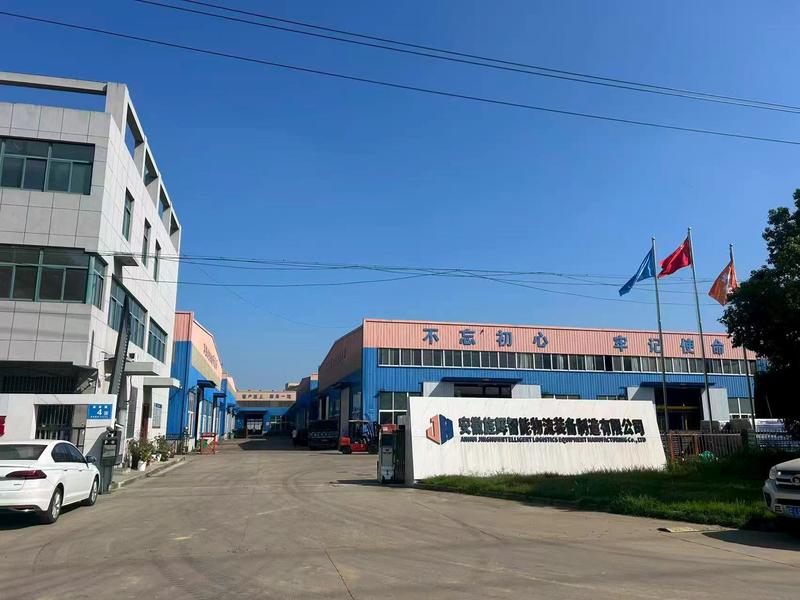
As a leading Chinese manufacturer of high-density heavy-duty pallet racking, automated shuttle platforms, and industrial storage systems, IronMax delivers turnkey engineering support from structural CAD design to overseas installation.
When issuing a Request for Quotation (RFQ) for automated pallet handling systems, structural engineers and procurement heads should verify the following four manufacturing criteria:
1. Beam Deflection Ratios (L/200 vs L/300): Standard pallet racks permit a maximum beam deflection ratio of L/200 (Span length divided by 200). However, automated shuttle channels require stricter L/300 or L/400 limits to ensure laser-guided automated vehicles maintain optical sensor lock without mechanical jamming.
2. Surface Coating passivations: Powder-coating thickness must average between 60 to 90 microns to prevent flaking. For high-humidity or cold-chain environments, hot-dip galvanizing with a minimum zinc coating weight of 275 g/m² (ISO 1461 compliant) is mandatory to eliminate structural rust oxidation.
3. Upright Profile Punching Accuracy: Punching pitch tolerances for upright columns must remain within ±0.1mm over 10 meters. Minute pitch variance causes cumulative leaning in high-bay structures exceeding 12 meters in height, introducing dangerous dynamic sway.
4. Anchor Plate & Floor Slab Dynamics: Floor plate anchor thickness and expansion bolt shear strength must be calculated based on local seismic acceleration coefficients (PGA zones) to prevent shear collapse under sudden shock loads.
Expert answers to common engineering, financial, and installation questions regarding automated pallet handling systems.
Standard radio shuttle racking systems carry dynamic loads ranging from 500 kg up to 1,500 kg per pallet cart. Heavy-duty engineered systems can be customized to support up to 2,000 kg per level. Final capacity is verified by structural engineering simulations based on upright cross-section, beam span, and operational safety factors.
Electrostatic epoxy powder coating is cost-effective and ideal for dry, ambient indoor warehouses, allowing custom color coding for SKU zoning. Hot-dip galvanizing is essential for cold storage facilities, sub-zero freezers (-30°C), high-humidity chemical storage, or semi-outdoor applications where moisture causes rapid corrosion on standard steel.
Yes. By providing your architectural building CAD file or floor dimensions, clear height under trusses, pallet dimensions (W x D x H), gross pallet weight, and forklift or AGV specs, our engineering team provides complete 2D layout drawings, 3D structural renderings, load calculation sheets, and a bill of materials.
IronMax radio shuttles and 4-way automated systems feature PLC control units supporting open communication protocols such as Modbus TCP and REST API interfaces. This allows your software team or system integrator to connect the physical automated handling hardware directly to SAP, Manhattan, Oracle, or proprietary warehouse management systems.
Most commercial logistics facilities achieve full ROI payback within 18 to 30 months. Financial savings stem directly from a 50%+ reduction in forklift labor costs, up to 60% savings in floor space footprint, zero product damage from manual forklift collisions inside deep racks, and reduced heating/cooling energy consumption.
Uprights, beams, and shuttle rails are bundled with high-tensile steel strapping, corner protectors, and heavy-duty plastic stretch wrapping. Small hardware, baseplates, and bolts are packed in reinforced wooden cases. Container loading plans are designed in 3D to optimize space while preventing metal-on-metal friction during transit.
Send us your building layout, pallet dimensions, and storage requirements. Our structural engineering team will prepare a custom proposal and quotation within 24 hours.
Send an Inquiry