High-Density Storage Systems & Industrial Racking Solutions
Explore our custom OEM high-density pallet racks, automated shuttle channels, cantilever structures, and heavy-duty mezzanine platforms designed for maximum cubic volumetric efficiency.
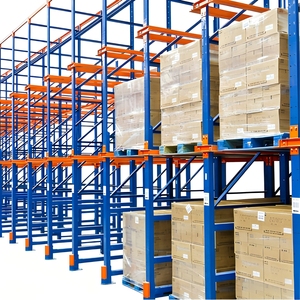
Drive Rack System 5 Ton Capacity Durable Warehouse Pallet Racks for Steel Coil / Chemical Drums
Contact Us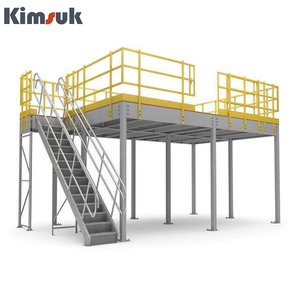
Manufacturer Industrial Warehouse Rack Shelf Mezzanine Storage Steel Platform with Goods Lift
Contact Us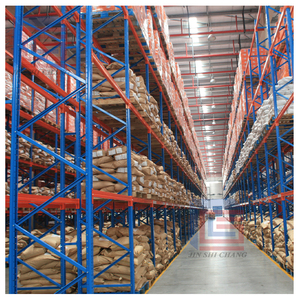
Manufacturer Heavy Duty Steel Selective Pallet Rack for Industrial Warehouse Logistics
Contact Us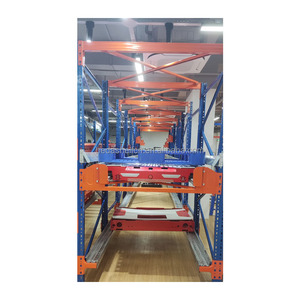
Custom Heavy Duty Radio Shuttle Racking System & Double Deep High Density Storage Racks
Contact Us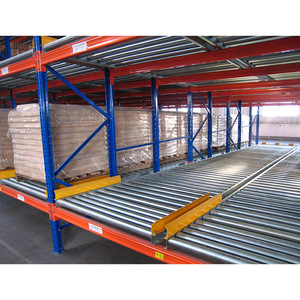
FIFO High Efficient Warehouse Gravity Pallet Flow Racks & Heavy Duty Roller Flow Systems
Contact Us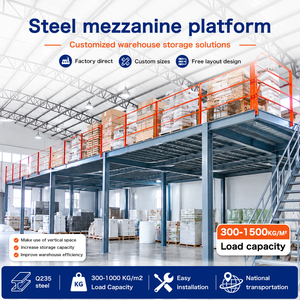
Customized Steel Mezzanine Warehouse Storage Rack Heavy Duty Multi-Tier Industrial Platform
Contact Us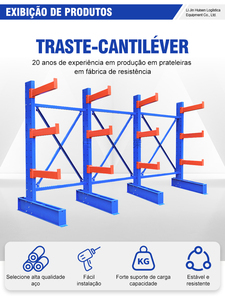
Single & Double Sided Heavy Duty I-Beam PVC Pipe Storage Cantilever Racking System
Contact Us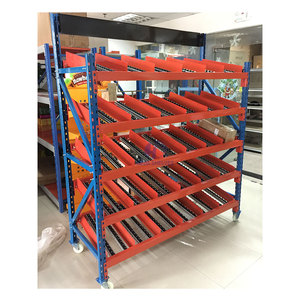
Customized Lineside Roller Flow Rack Shelving & Gravity Carton Flow Racking Solutions
Contact UsArchitectural Engineering of High-Density Storage Systems
In modern industrial supply chain architecture, modern facilities are moving away from traditional, low-density storage models. Rising commercial real estate costs, cold-chain energy expenditures, and strict throughput requirements demand custom OEM high-density warehouse storage systems engineered precisely for specific material handling workflows.
The Structural Physics of High-Density Storage
High-density racking engineering balances three variables: cubic space utilization, SKU selectivity, and structural deflection safety ratios. While traditional single-selective racking provides 100% SKU accessibility, it sacrifices over 60% of warehouse floor area to forklift aisles. Conversely, high-density systems like Drive-In, Radio Shuttle, Push-Back, and Gravity Flow collapse aisle space, driving storage footprints upward of 85% volumetric utilization.
IronMax Storage Solutions Co., Ltd. designs and manufactures heavy-duty structural steel racking tailored to dynamic load requirements. Utilizing high-tensile cold-rolled Q355B structural steel profiles, our engineering team performs comprehensive Finite Element Analysis (FEA) to simulate stress points, seismic sway, torsional moments, and upright column compression under full static and kinetic loads.
Comparative System Performance & Selection Matrix
Choosing the correct high-density layout requires evaluating stock rotation mechanisms (FIFO vs. LIFO), floor space availability, and lifting equipment capabilities. Below is an engineering overview of key high-density storage modalities:
| System Type | Storage Density | Access Speed | Stock Rotation | Optimal SKU Profile | Forklift Travel |
|---|---|---|---|---|---|
| Drive-In Racking | High (Up to 75%) | Moderate | LIFO (Last-In, First-Out) | Low SKU variety, high volume per SKU | Drives inside rack bays |
| Radio Shuttle Racking | Very High (Up to 85%+) | High (Automated) | FIFO or LIFO Selectable | Medium to High volume, cold storage | Stays outside racking blocks |
| Push-Back Racking | High (2-6 Deep) | Rapid | LIFO | Medium SKU count, fast turnover | Operates strictly in front aisle |
| Gravity Pallet Flow | Very High | Continuous | Strict FIFO (First-In, First-Out) | Perishable items, high-speed FMCG | Separate loading & picking aisles |
| Mezzanine Platforms | Maximum Vertical Gain | High (Multi-tier) | Direct Access | Parts storage, e-commerce picking | Integrated lifts / conveyers |
Why Global Supply Chains Rely on IronMax Racks
From custom engineering drawings to automated roll-forming and robotic welding, IronMax Storage Solutions delivers fully certified, heavy-duty warehouse infrastructure worldwide.
Custom Engineering & CAD Modeling
Every industrial project begins with CAD layout drawings, load calculations, and structural simulations. Our engineering department tailors beam spans, column profiles, and footplate anchors to your specific floor capacity and lifting specs.
Precision Roll-Forming Steel Production
Equipped with continuous automated roll-forming production lines, robotic welding stations, and automated electrostatic thermosetting epoxy powder coating lines, we deliver consistent metallurgical precision and long-term rust prevention.
Rigorous Quality Assurance Standards
In accordance with ISO9001 quality management, all steel batches undergo yield strength testing, weld ultrasonic flaw detection, coating thickness evaluation, and salt-spray corrosion resistance tests prior to export dispatch.
Future Directions in High-Density Storage Systems
Strategic procurement leaders must look beyond basic steel costs. Modern material handling trends dictate how warehouses will buy, install, and scale storage racking over the next decade.
1. Convergence of Pallet Racking with AS/RS & Autonomous Fleets
Standalone passive racking is increasingly being upgraded to accommodate automated shuttle vehicles and Autonomous Mobile Robots (AMRs). Future-proof procurement requires racking systems with tighter fabrication tolerances, optical sensor cutouts, and integrated guide-rail channels for seamless robotic pallet placement.
2. Cold Chain Decarbonization & Thermal Volumetric Efficiency
With sub-zero cold storage operations consuming significant energy per cubic meter, warehouses are turning to ultra-dense Radio Shuttle and Drive-In configurations. Hot-dip galvanized finishes and cold-resistant low-alloy steels are becoming standard specification items to endure harsh condensation and freezing cycles.
3. Modular Steel Platforms & Scalable Mezzanine Real Estate
Instead of incurring major capital expenditure for building expansions, industrial operators are leveraging steel structure mezzanine platforms. By creating multi-level work platforms above selective racking, logistics hubs double or triple usable floor area for manual picking, kitting, and e-commerce sortation.
4. IoT Sensor Integration & Structural Health Monitoring
Next-generation high-density racking incorporates smart impact sensors on upright frame guards. These connected IoT nodes detect forklift strikes, measure beam deflection in real time, and alert warehouse safety managers before micro-fractures lead to structural failure.
Engineering Innovations Shaping High-Density Racking
The evolution of high-density warehouse storage systems relies heavily on advanced material science and automated cold-forming techniques. Modern OEM manufacturers are shifting toward high-strength steel grades like Q355B and Q460, allowing thinner wall profiles to carry higher payloads without increasing dead weight on facility floor slabs.
- Advanced Beam Locking Systems: Patented 4-hook and 5-hook connector brackets prevent beam dislodgement under violent forklift upward impacts, enhancing structural integrity across high-bay racking systems.
- Epoxy-Polymer Hybrid Coatings: Formulated specifically for food-grade, chemical, and pharmaceutical storage environments, these coatings deliver anti-bacterial surfaces and enhanced abrasion resistance against constant pallet friction.
- Precision Radio Shuttle Cart Technology: Lithium-iron-phosphate (LiFePO4) powered shuttles equipped with laser distance meters and optical positioning sensors allow deep-lane storage up to 40 pallets deep without manual intervention.
By working directly with an experienced OEM manufacturer like IronMax, enterprise buyers can specify exact frame depths, beam profile heights, top-tie bracing configurations, and floor anchoring systems tailored to their specific regional seismic zones and warehouse building codes.
Frequently Asked Questions for Storage Racking Procurement
Detailed technical answers to common questions asked by supply chain directors, warehouse managers, and project engineers.
What load capacity can IronMax heavy-duty pallet racking carry per level?
Standard selective and heavy-duty pallet racking systems are engineered to carry between 500 kg and 4,000 kg per beam level. Push-back and custom drive-in systems can be engineered for up to 5,000 kg per level. Final capacity is verified by our structural engineers based on upright column profile, beam cross-section height, pallet dimensions, and local seismic requirements (such as ANSI MH16.1 or FEM 10.2.02 standards).
Should I choose electrostatic powder coating or hot-dip galvanized coating?
Thermosetting epoxy powder coating provides a durable, smooth finish ideal for indoor dry warehouses, offering color-coded inventory zoning (e.g., orange beams, blue uprights). Hot-dip galvanizing or pre-galvanized finishes are recommended for cold storage freezers (-30°C), high-humidity chemical facilities, coastal environments, or semi-outdoor storage where rust protection is required.
Can you generate a complete warehouse layout drawing from our building floor plan?
Yes. Send your CAD building drawing or basic dimensions (length, width, clear building height to trusses), pallet dimensions (W x D x H), total load weight per pallet, forklift lift height, and minimum turning radius. Our engineering team will supply a customized 2D layout drawing, 3D render, structural load analysis, and complete Bill of Materials (BOM).
What safety factors are applied to structural load calculations?
Our structural design follows international racking standards (FEM 10.2.02 / EN 15512 and ANSI MH16.1). We apply a minimum safety factor of 1.65 for steel material yield stress. Beam deflection under full allowable static load is strictly limited to L/200 (where L is beam clear length) to prevent permanent plastic deformation.
How do Radio Shuttle racking systems operate compared to Drive-In racking?
While Drive-In racking requires forklifts to physically drive inside deep storage channels (increasing frame collision risk and cycle times), Radio Shuttle systems use an autonomous motorized platform to carry pallets deep inside the channel rails. The forklift simply loads and retrieves pallets at the front face, significantly increasing throughput speed and eliminating internal rack collisions.
How are long components and small hardware packed for ocean shipping?
Heavy upright frames and beams are tightly bundled using high-tensile steel strapping, cushioned with corner edge protectors, and wrapped in plastic moisture-proof film. Small accessories, baseplates, row spacers, safety pins, and bolts are packed in reinforced wooden cases or heavy-duty corrugated export cartons to prevent loss or transit damage during container transport.
Optimize Your Warehouse Volumetric Space Today
Consult with our structural storage engineers to request custom OEM/ODM designs, CAD layout proposals, and factory-direct price estimates.
Contact Us