High Density Pallet Racking Systems & OEM Solutions
Explore our custom-engineered high-density storage rack range designed for maximum load stability, cold resistance, and automated inventory throughput.
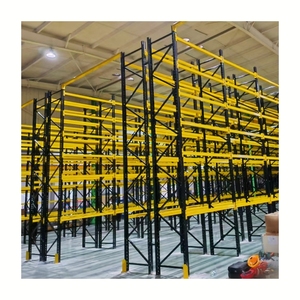
Customized Colors Storage Shelf High Density Pallet Racking Warehouse Racks Steel Heavy Duty Shelving for Warehousing
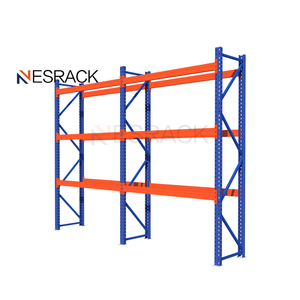
High Density High Bay Warehouse Heavy Duty Pallet Racking System Multi-Level Customized Steel Industrial Selective Pallet Rack
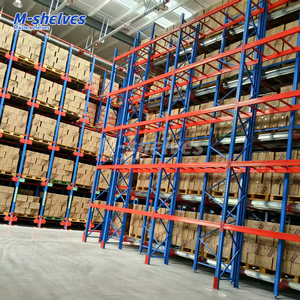
Shuttle Pallet Racking System Corrosion Resistant with Remote Controlled Radio Shuttle Car High Density Smart Warehouse Storage
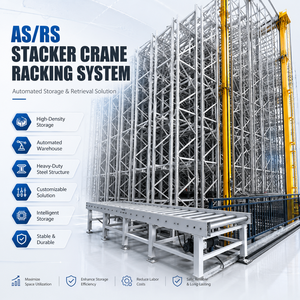
Automated ASRS Mezzanine Rack Stacker Crane Racking System High Density Warehouse Storage Heavy Duty Steel Pallet Rack OEM ODM
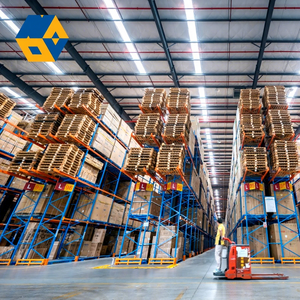
Heavy Duty 2000KG Per Layer Large Capacity Racking System Warehouse Storage High Duty Beam Stacking Pallet Rack Shelving Unit
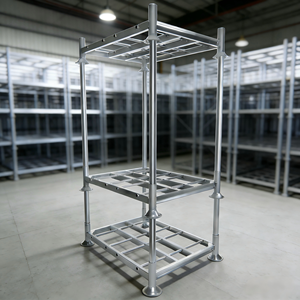
TER Customized Post Pallet Rack System High Density Space Saving Selective Modular Reinforced Frame Sturdy Construction
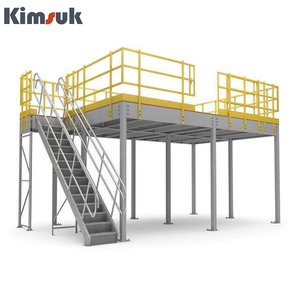
Manufacturer Industrial Warehouse Rack Shelf Mezzanine Storage Shelving Steel Platform Mezzanine Floor Goods Lift Racking System
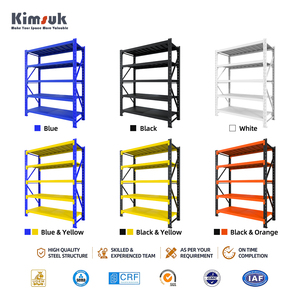
Customized Industrial Rack Heavy Duty Pallet Rack System Warehouse Storage Shelf Shelved Racking Metal Storage Rack Shelving
Engineering Excellence in High Density Pallet Storage Optimization
In modern industrial logistics, static floor storage and traditional low-bay selective racking frequently yield unacceptable footprint overheads. Modern supply chain operations require high-density structural racking configurations that maximize vertical building clear heights while maintaining strict structural safety margins under dynamic loading and seismic force conditions. As a premier Custom OEM High Density Pallet Racking Factory & Exporter, IronMax Storage Solutions Co., Ltd. delivers custom-engineered industrial racking systems that transform physical warehouse footprints into high-throughput storage assets.
High-density racking engineering involves far more than simply stacking steel beams higher. It requires advanced Finite Element Analysis (FEA) to calculate post-buckling behavior under severe beam deflections, dynamic forklift contact impacts, and asymmetric payload distributions. Utilizing high-tensile cold-rolled structural steel grades such as Q235B and Q355B, our racking architectures adhere rigorously to international standards including FEM 10.2.02 (European Federation of Materials Handling) and RMI (Rack Manufacturers Institute) specification ANSI MH16.1. Whether designing heavy-duty selective layouts, multi-deep radio shuttle blocks, or automated ASRS stacker crane structures, our engineering protocols prioritize long-term dimensional tolerances, anti-corrosion endurance, and modular scalability.
High-Density Racking Systems Architecture Comparison
Selecting the optimal high-density storage framework requires balancing SKU variety, inventory turnover velocity, fork truck operating clearance, and total capital expenditure.
| Racking System Architecture | Cubic Space Utilization | SKU Selectivity Ratio | Inventory Handling Protocol | Typical Payload / Beam Level | Forklift Aisle Requirements |
|---|---|---|---|---|---|
| Selective Pallet Racking | 40% – 50% | 100% Direct Access | FIFO (First-In, First-Out) | 1,000 kg – 4,000 kg | 3.0m – 3.8m Standard Aisle |
| Drive-In / Drive-Thru Racking | 65% – 75% | Low (Per Lane Basis) | LIFO or FIFO | 1,000 kg – 2,000 kg | Integrated Drive-in Channels |
| Radio Shuttle Smart System | 80% – 90% | Medium (Per Channel) | Flexible FIFO & LIFO | 500 kg – 2,000 kg | Outer Access Face Only |
| Push-Back Cart Racking | 70% – 80% | Medium (2–6 Deep) | LIFO (Last-In, First-Out) | 500 kg – 1,500 kg | Standard Front Loading Aisle |
| Very Narrow Aisle (VNA) | 85% – 92% | 100% Direct Access | FIFO | 1,000 kg – 2,500 kg | 1.5m – 1.8m Guided Aisle |
| Automated ASRS Racking | 90% – 98% | 100% Automated Access | Computer-Controlled FIFO | Up to 5,000 kg (High-Bay) | Crane Rail Interface Only |
IronMax Manufacturing Excellence & OEM Advantage
Why leading global distributors, logistics integrators, and industrial enterprises select IronMax Storage Solutions for OEM rack fabrication.
In-House Automated Roll Forming
Over 20 advanced cold-roll forming lines produce upright profiles with micro-step pitch adjustments (50mm/75mm), ensuring exact structural geometry and rapid production velocity.
Electrostatically Applied Epoxy Coatings
Our automated 12-stage pre-treatment wash and thermosetting epoxy powder coating lines deliver smooth, scratch-resistant finishes with surface layer thicknesses exceeding 80–100 μm.
ISO & CE Export Certification Compliance
Full manufacturing traceability from raw steel coil certificates to final robotic weld inspection. Every container batch undergoes severe load testing prior to factory dispatch.
Custom OEM / ODM Structural Engineering
From non-standard beam connectors and custom seismic baseplates to special colors and hot-dip galvanization for outdoor or sub-zero cold stores, we turn tailored specs into finished products.
Export Container Density Loading Protocols
Components are tightly bundled with heavy-duty steel strapping, edge corner protectors, and moisture-proof plastic wrap to maximize container volume while completely preventing transit damage.
Turnkey Project Documentation & CAD Layouts
We provide full CAD structural assembly blueprints, 3D visualization models, component bill of materials (BOM), and step-by-step installation video guides for on-site execution.
Future Procurement Trends in Industrial Pallet Racking (2025–2030)
The global industrial warehousing landscape is experiencing a fundamental structural shift. Rising urban land prices, labor shortages, and the explosive growth of omni-channel e-commerce are forcing supply chain directors to re-evaluate their storage infrastructure choices. When procuring heavy-duty high-density pallet racking, global buyers must account for several emerging mega-trends:
1. Convergence with Autonomous Mobile Robots (AMRs) & Shuttle Automation: Traditional manual forklift drive-in racking is increasingly giving way to semi-automated radio shuttle systems and fully integrated ASRS high-bay structures. Procurement managers must demand stricter manufacturing tolerances on beam level alignment, rail straightness, and rack deflections (often targeting deflection ratios tighter than 1/200th of span) to ensure seamless robotic vehicle traversal.
2. Cold Chain Infrastructure Expansion: Temperature-controlled food processing facilities and pharmaceutical logistics hubs represent high-growth sectors. Because operating freezer space at -25°C incurs immense energy overheads, maximizing pallet storage per cubic meter is paramount. High-density shuttle systems and mobile rack platforms with specialized low-temperature carbon steel alloys are rapidly replacing standard selective layouts in cold-chain capital budgets.
3. Sustainability, Zero-VOC Powder Coatings, & Circular Lifecycle Design: Environmental regulations regarding volatile organic compounds (VOCs) and carbon emissions during steel smelting are impacting supply chains worldwide. Modern OEM buyers require racking factories to utilize eco-friendly closed-loop powder coating lines, renewable energy in roll-forming facilities, and modular structural designs that allow easy rack disassembly, reconfiguration, and recycling without structural degradation.
4. Seismic Risk Mitigation and Structural Resilience Standards: As regional building codes mandate higher safety factors, rack procurement specifications increasingly require dynamic seismic analysis. Advanced baseplate anchoring, post protectors, heavy-duty frame bracings, and seismic isolation dampeners are no longer optional accessories—they are standard requirements for high-bay structural installations in earthquake-prone regions.
Comprehensive B2B Procurement FAQ
Technical and commercial answers for warehouse operations directors, structural engineers, and industrial equipment importers.
Transform Your Warehouse Space into a High-Density Powerhouse
Consult with our structural engineering team today to receive a complimentary CAD layout design, structural payload calculation, and direct OEM factory quotation.