Featured High-Density Industrial Racking Systems
Directly sourced from leading Chinese OEMs with certified CE & ISO 9001 load compliance.
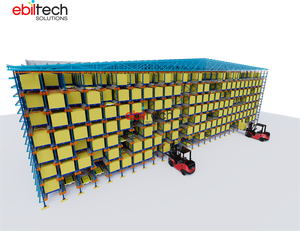
EBILTECH CE Certified Two Way Shuttle Clad Racking Warehouse Integrated Rack for Deep Lane Storage
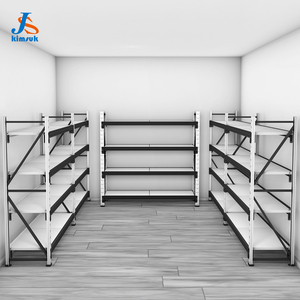
Racking Warehouse Storage Warehouse Shelving Solutions Cantliver Stacking Racks Shelves Selective Pallet Rack
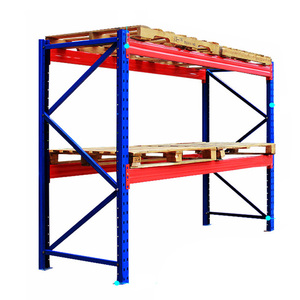
Outdoor Pallet Racking Metal Storage Organizer Rack For Warehouse Store Factory 1000KG 2000KG 3000KG Pounds Tons
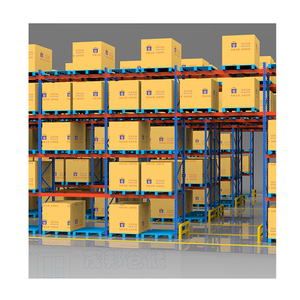
Industrial Heavy Duty Metal Shelving Single Deep Pallet Rack Selective Storage Warehouse Racking
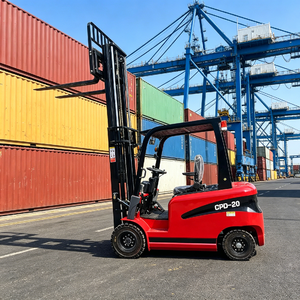
Custom Lifting Height Counterbalance Forklift FH-CPD20 2 Ton High Rack Warehouse Storage Equipment
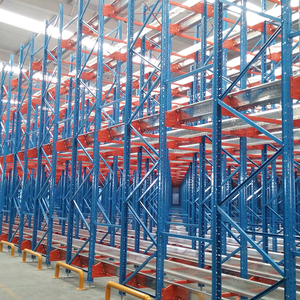
High Density Warehouse Automatic Radio Shuttle Rack Shelves Storage Racks Heavy Duty Pallet Racking Radio Shuttle Racking System
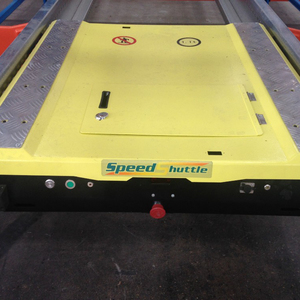
For Maxrac CE Certified Pallet Shuttle Racking Popular Automatic Satellite Storage System Cargo & Storage Equipment
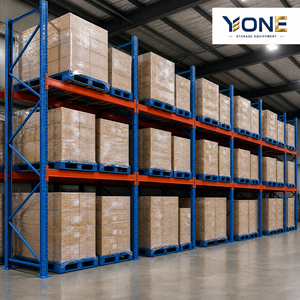
Storage Rack System Heavy Duty Installation Free Pallet Racking Steel Warehouse Adjustable Boltless 5-Tier
Engineering Architecture of Very Narrow Aisle (VNA) Storage Systems
A technical blueprint for global logistics managers, structural consultants, and supply chain procurement officers.
As global industrial land costs climb and modern supply chains demand unprecedented speed, logistics operations require high-density storage solutions that do not compromise direct item accessibility. Very Narrow Aisle (VNA) Racking Systems represent the absolute pinnacle of selective steel storage engineering. Manufactured predominantly in China’s high-precision steel-rolling hubs, VNA racking systems reduce operational aisle widths down to 1.5 to 1.8 meters—reclaiming up to 45% of previously wasted floor space compared to standard selective pallet racking.
1. Structural Anatomy & Metallurgy of China-Manufactured VNA Racking
The structural integrity of a VNA system hinges on steel grade consistency, upright profile geometry, beam-to-column connection stiffness, and strict manufacturing tolerances. Top-tier Chinese manufacturers utilize high-tensile structural cold-rolled coil steel—primarily grades Q235B, Q355B, and SS400—processed through automated multi-stage continuous roll-forming lines.
Key Structural Components:
- Continuous Roll-Formed Upright Frames: Engineered with 11 to 13 bending folds to maximize the moment of inertia and buckling strength. Column profiles typically range from 80mm to 140mm in frontal width, with material thickness extending up to 3.0mm depending on clear bay height (up to 18 meters).
- Interlocking Step Beams & Box Beams: Fabricated using twin-C profile nested cold-rolled sections continuous seam-welded to heavy-duty cast steel or stamped 4-hook connectors. They deliver extreme torsional rigidity under dynamic loader deflection (L/200 standard compliance under full load).
- High-Precision Bottom Guide Rails: Available in structural steel angle profiles (e.g., L100x75x8mm) or embedded inductive wire-guidance paths. Floor-anchored guide rails prevent turret truck collision while enabling high-speed lateral travel within aisles.
- Bracing Arrays & Top Ties: Diagonal and horizontal bracing lattice joined via sleeve lock nuts to distribute heavy vertical load transfers and mitigate seismic lateral shear forces under EN 16681 and ANSI MH16.1 guidelines.
Why Source VNA Racking from China's Top Tier Manufacturers?
Combining automated manufacturing, high material purity, and cost-optimized supply chains.
Micro-Tolerance Cold Forming
State-of-the-art CNC roll-forming machinery ensures cross-sectional profile tolerances under 0.5mm, critical for tall VNA installations where vertical plumbness tolerances are non-negotiable.
Automated Epoxy Coating
Submerged multi-stage chemical pretreatment followed by electrostatic epoxy thermosetting powder coating (80–120 microns) guarantees superior impact resistance and salt-spray durability exceeding 500 hours.
Customized Beam & Decking
From drop-in wire mesh decking and heavy-duty zinc-plated steel panels to integrated pallet support bars, systems are tailored precisely to your unit load specifications.
VNA Racking vs. Standard Pallet Racking Systems
Objective engineering evaluation comparing storage density, operational speed, capital expenditure, and handling equipment Requirements.
| Storage System Type | Aisle Width (Meters) | Floor Footprint Utilization | SKU Selectivity | Handling Equipment Required | Relative CAPEX / Pallet Position |
|---|---|---|---|---|---|
| Very Narrow Aisle (VNA) | 1.5m – 1.8m | 85% – 92% | 100% Direct Access | VNA Turret Truck / Articulated Forklift | Moderate to High |
| Selective Pallet Racking | 3.2m – 3.8m | 40% – 50% | 100% Direct Access | Standard Counterbalance / Reach Truck | Low (Baseline) |
| Radio Shuttle Racking | N/A (Deep Lane) | 85% – 95% | Low (Per Lane LIFO/FIFO) | Standard Reach Truck + Automated Shuttle | High |
| Drive-In Racking | N/A (Deep Lane) | 65% – 75% | Low (Strict LIFO) | Counterbalance / Reach Truck | Moderate |
| Push Back Racking | 2.8m – 3.2m | 60% – 70% | Moderate (2-6 Deep LIFO) | Standard Reach Truck | Moderate to High |
Future Sourcing & Technological Trends in VNA Racking
How warehouse automation, superflat floors, and smart sensors are redefining narrow aisle procurement.
Emerging Technology Drivers in Modern Warehouse Operations
The global warehousing landscape is experiencing a massive paradigm shift. Buyers searching for leading Chinese exporters of VNA racking systems are no longer procuring static steel frames; they are investing in integrated structural components designed to function seamlessly within automated ecosystems.
1. Seamless Integration with AGVs and Autonomous Turret Trucks
Manual VNA turret trucks are rapidly giving way to Automated Guided Vehicles (AGVs) and Autonomous Mobile Robots (AMRs) equipped with trilateral mast heads. This shift imposes stricter structural tolerances on Chinese racking factories. Upright frame vertical deflection, beam level levelness, and rack row squareness must comply with FEM 10.2.14 / EN 15620 Class 100 & 200 standards to ensure optical positioning sensors on AGVs do not misread target pallet coordinates at heights above 15 meters.
2. Superflat Concrete Floor & Guided Infrastructure Optimization
Modern VNA procurement mandates holistic site planning. The performance of a high-bay VNA racking matrix depends directly on floor flatness (DM1/DM2 standards according to TR34). Future trends see Chinese racking manufacturers shipping integrated floor rail packages—combining ground anchor studs, precision shims, and high-tensile structural steel guide rails milled to zero-clearance tolerance—ensuring plug-and-play installation for global buyers.
3. Micro-Fulfillment & Cold-Chain Hybrid VNA Platforms
With quick-commerce and cold storage expansion, VNA systems are increasingly specified for sub-zero freezer environments (-25°C to -30°C). Chinese factories are adopting advanced micro-alloyed steels (such as low-temperature tough steel modified with Vanadium and Niobium) to prevent low-temperature hydrogen embrittlement in structural beams and safety pins.
IronMax Corporate Manufacturing Excellence
Direct factory capabilities powering global supply chain infrastructure.
120+ Technical Staff
Dedicated team of structural engineers, CAD layout specialists, and international project managers overseeing every RFQ detail.
Full Qualification
ISO 9001 certified production lines, CE certified structural welding, and EN 15512 seismic performance testing reports.
Global Export Logistics
Standardized steel-strapped export packaging, component color coding by bay, and optimized container stuffing plans.
Turnkey Project Engineering
From initial DWG CAD proposal generation to structural calculation reports and on-site installation supervisor deployment.
Frequently Asked Questions (FAQ)
Technical responses for international procurement officers & supply chain consultants.
What key building parameters are required to calculate a VNA racking quotation?
To deliver an engineered design and firm price proposal, Chinese racking factories require: (1) Warehouse architectural drawings showing column layout, clear height to lowest roof obstacle, and slab floor thickness; (2) Pallet specifications (Length x Width x Height including cargo, and gross pallet weight); (3) Forklift or turret truck model specifications (specifically aisle turn radius, lift height, and side-shift clearance); (4) Local environmental conditions such as seismic zone rating or operating temperature.
What is the difference between mechanical guide rail and wire guidance in VNA aisles?
Mechanical guide rails consist of heavy structural steel angle channels (e.g., L100x75x8mm) bolted directly to the slab along both sides of the aisle. The turret truck's side guide rollers physically ride along these rails. Wire guidance, by contrast, embeds an inductive frequency wire in a shallow cut in the concrete slab; the truck follows the electromagnetic signal electronically. Wire guidance eliminates bottom rail obstacles and simplifies floor cleaning, but requires higher floor flatness precision (TR34 Superflat standard).
How do Chinese manufacturers guarantee structural safety under international codes?
Reputable Chinese VNA racking exporters design and calculate structural frames in strict accordance with international standards, such as European EN 15512, EN 15620, FEM 10.2.02, and American RMI (ANSI MH16.1) specifications. Steel coils undergo tensile strength testing (mill test certificates provided), welds are non-destructively inspected, and load-deflection testing is verified under factory conditions.
What surface finish should be selected for VNA racking: Powder Coating or Hot-Dip Galvanized?
For standard temperature-controlled warehouses, dry ambient distribution centers, and retail fulfillment hubs, electrostatic epoxy powder coating (thickness 80–120µm) provides superior scratch resistance, high aesthetics, and color customization (e.g., RAL 5015 Blue for frames, RAL 2004 Orange for beams). For outdoor operations, high-humidity processing plants, or aggressive chemical environments, Hot-Dip Galvanizing (HDG according to ISO 1461) is recommended to prevent structural oxidation.
What is the typical manufacturing lead time and container shipping configuration for VNA orders?
Manufacturing lead time for a standard 500-to-2,000 pallet position VNA racking system typically ranges between 20 to 30 calendar days post-drawing approval. Components are bundled into standardized master packages: uprights are nested with protective timber spacers, beams are stacked on custom steel skids, and hardware is boxed in heavy-duty export cartons to ensure 100% container volume loading in 40ft High Cube (40HC) containers.
Can IronMax provide on-site installation guidance for international projects?
Yes. Every export order is accompanied by detailed CAD assembly drawings, bay elevation diagrams, component installation manuals, and torque specification tables. Furthermore, we offer remote video support or can dispatch certified installation engineers to your project site to direct local assembly crews and oversee plumbness verification.