Featured Multi-Way & Automated Shuttle Systems
Engineered for maximum cubic space utilization, operational reliability, and deep-lane warehouse automation.
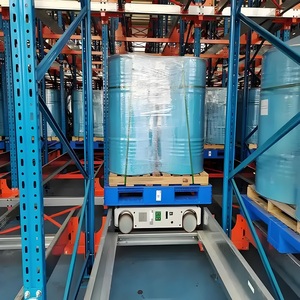
High Intelligent Automated Pallet Runner 4-Way Shuttle
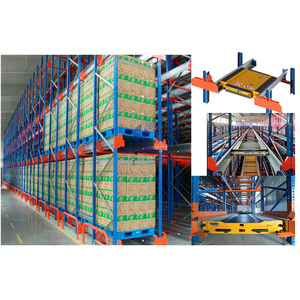
Heavy-Duty 4-Way Shuttle ASRS Racking System
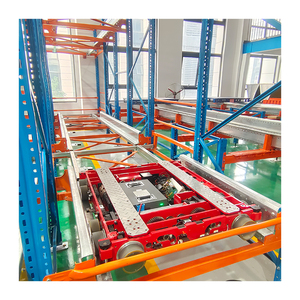
Omnidirectional 4-Direction Pallet Mobile Shuttle Rack
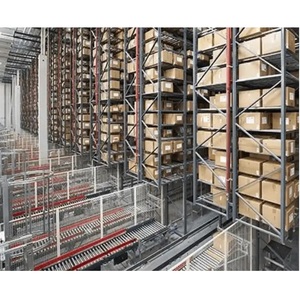
Cold-Storage Anti-Corrosion 4-Way Shuttle ASRS

Unmanned Smart Warehouse Multi-Way Shuttle Solution
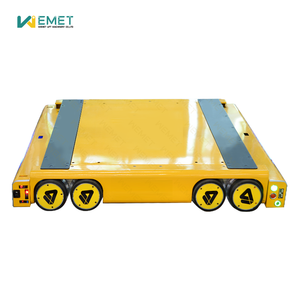
Fully Intelligent Multi-Directional Radio Shuttle Grid
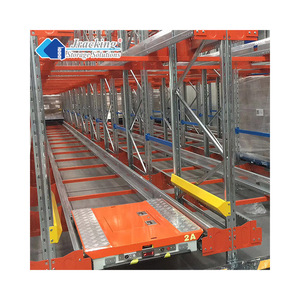
Heavy-Duty 2-Way Radio Shuttle Carrier System
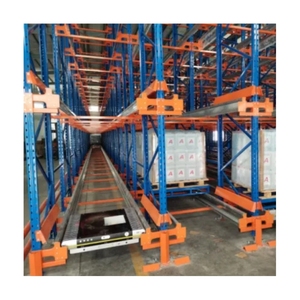
CE-Certified Modular 4-Way Radio Shuttle Pallet Rack
Engineering Multi-Way Shuttle Racking Systems
An authoritative evaluation of kinematic mechanics, structural beam design, and software orchestration in high-density automated warehousing.
High-Density Matrix Grid
Eliminates operating aisles required by reach trucks and VNA forklifts. By converting dead aisle space into actionable pallet positions, volumetric capacity expands by up to 90% compared to selective pallet racking.
Dynamic Fleet Redistribution
WCS fleet control algorithms dynamically route shuttles across multiple levels via vertical lifts. If warehouse throughput spikes in a specific zone, vehicles autonomously reassign to prevent bottlenecks.
Energy Efficiency & Low Mass
Operating with lightweight chassis structures (typically 300kg to 450kg), 4-way shuttles consume a fraction of the electricity required by massive 15-ton ASRS stacker cranes, dramatically lowering TCO.
Multi-Way Shuttle vs. Alternative Storage Systems
Rigorous engineering evaluation detailing load efficiency, throughput scalability, structural impact, and capital expenditure payback timelines.
| Storage System Type | Volume Utilization | Selectivity / Access Logic | Throughput Rate (Pallets/Hr) | Energy Consumption | Forklift Operating Risk |
|---|---|---|---|---|---|
| 4-Way Multi-Shuttle ASRS | 85% - 92% | 100% Dynamic FIFO / LIFO | Very High (Scalable via Vehicles) | Ultra Low (LiFePO4) | Zero (Fully Unmanned Zone) |
| 2-Way Radio Shuttle | 70% - 80% | Lane-by-Lane LIFO/FIFO | Medium (Forklift Dependent) | Low | Moderate (Aisle Loading Only) |
| ASRS Stacker Crane System | 80% - 88% | 100% Direct Access | Fixed per Aisle Stacker | High (Heavy Lifting Mass) | Zero (Unmanned Aisle) |
| Drive-In Pallet Racking | 65% - 75% | Strict LIFO Only | Low (Slow Forklift In-Drive) | None (Manual) | High (Frequent Collision Risk) |
| Selective Pallet Racking | 35% - 45% | 100% Immediate Access | Medium-High (Manual Pick) | None (Manual) | Moderate (Human Driver Error) |
State-of-the-Art Production & Quality Control
Why leading global system integrators and logistics managers select our Shandong manufacturing facilities for direct export.
High-Tensile Steel Profiles
We exclusively utilize certified Q235B and Q355B high-tensile cold-rolled steel from premier domestic mills. Our proprietary 18-stage continuous roll-forming lines maintain precision tolerances within ±0.5mm across 12-meter single-piece upright lengths.
Robotic Welding & Precision Coating
Structural load beams, shuttle guide rails, and vertical lift frameworks undergo automated ABB robotic MIG welding. Surfaces receive a 9-stage phosphate wash followed by Swiss Gema electrostatic epoxy powder coating for superior scratch and rust resistance.
FEA Structural Validation
Every rack architecture undergo rigorous Finite Element Analysis (FEA) testing to verify dynamic deflection, buckling thresholds, and seismic resistance according to European FEM 10.2.02, American RMI, and ISO 9001 quality standards.
Future Trends in Multi-Way Shuttle Procurement
Key technological trajectories supply chain executives and warehouse engineers must factor into long-term capital expenditure decisions.
1. AI Swarm Dispatching & Dynamic Bottleneck Resolution
Future multi-way shuttle procurements will no longer treat hardware and software separately. Advanced WCS platforms are adopting decentralized swarm intelligence algorithms. Shuttle fleets dynamically negotiate priority right-of-way, balance lift usage during flash order fulfillment, and route around stalled lanes without human dispatcher overrides.
2. Ultra-Capacitor & Fast-Charge LiFePO4 Power Packs
Lead-acid and early lithium battery packs are rapidly being superseded by high-density LiFePO4 cells paired with supercapacitors. Modern 4-way shuttles achieve 3-minute rapid charging during lift transfers, supporting 24/7 continuous operation without requiring manual battery swaps or offline charging bays.
3. Deep Cold-Chain (-30°C) Automation Expansion
With global cold-chain food distribution and pharmaceutical storage booming, operating costs inside refrigerated facilities are extreme. Procurement is shifting aggressively toward automated multi-way shuttles built with anti-freezing electrical components, low-temp lubricants, and moisture-sealed IP67 sensors to eliminate human labor in freezing environments.
4. Modular Plug-and-Play Hardware-as-a-Service (HaaS)
Warehouse operators demand flexibility against economic fluctuations. Next-generation multi-way shuttle racking utilizes standardized grid geometry, allowing enterprises to lease or purchase extra shuttle units during seasonal peak volumes and scale down vehicle counts during off-peak periods.
Next-Gen Multi-Directional Shuttle Innovation
How structural profile optimization and sensor fusion are shaping the next decade of warehouse automation.
Laser & 3D TOF Vision Fusion
Transitioning from simple mechanical limit switches to integrated optical vision, LiDAR, and 3D Time-of-Flight (TOF) sensors allows multi-way shuttles to detect skewed pallets, damaged wood runners, and obstacles in real-time, preventing high-speed track jams.
Ultra-Thin Mechanical Chassis
R&D efforts are aggressively reducing chassis height down to under 120mm. Thinner vehicle profiles reduce overall rack level height, enabling warehouses to squeeze an additional vertical storage tier into standard 12-meter clear-height buildings.
Regenerative Energy Braking
Borrowing technology from electric vehicles, new 4-way shuttles harvest kinetic energy during deceleration and gravity-assisted lift lowering. Regenerated energy feeds back into onboard supercapacitors, cutting energy expenditure by up to 18%.
Frequently Asked Questions for Global Importers
Direct technical and commercial answers from our engineering export division.
Ready to Optimize Your Warehouse Cubic Storage Density?
Submit your facility CAD layout drawing and pallet handling requirements. Our senior intralogistics engineers will provide a comprehensive 3D layout design, payload calculation, and factory-direct quotation within 24 hours.