Featured Freezer & Industrial Pallet Racking Systems
Engineered for sub-zero thermal durability, high load capacities, and optimized cubic space utilization in cold storage warehouses.
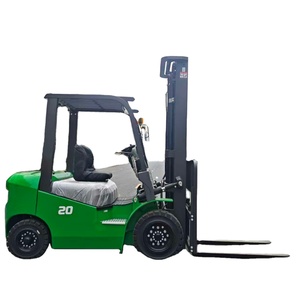
Indoor/Outdoor 2.0 Ton Electric Counterbalanced Forklift for 6m Standard Racking With Lead-acid Battery
Get Catalog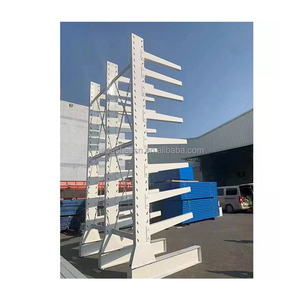
Industrial Rack Shelving Single Sided Heavy Duty Cantilever Racking System Cantilever Racks for Sale
Get Catalog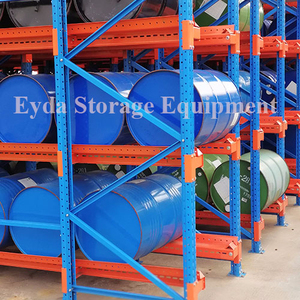
Industrial Steel Q235 Drive-In Pallet Rack with Corrosion Protection and Secure Design for Oil Drum Storage
Get Catalog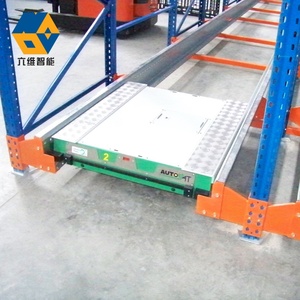
NOVA Manufacturer Warehouse Heavy Duty Steel Radio Shuttle Rack Storage Shelving Powder Coating Shuttle Pallet Racking
Get Catalog
Full Welded Flared Channel Zinc Coated Pallet Racking Wire Mesh Pallet Decking
Get Catalog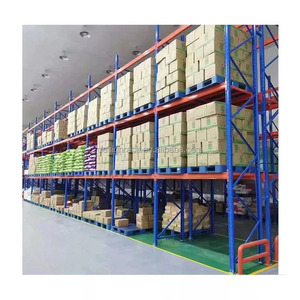
Customized OEM Warehouse Storage Solution Steel Pallet Racking System Factory Direct Pallet Rack
Get Catalog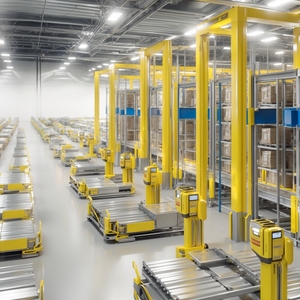
Pteris ASRS Shuttles Pallet Racking System Smart Warehouse Forklift Automation with Radio Control Cargo & Storage Equipment
Get Catalog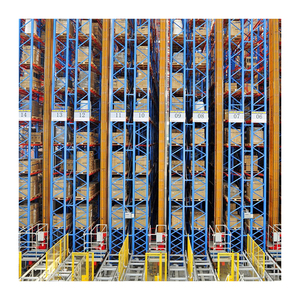
Automated Pallet Racking System Smart Inventory Circulation Industrial Warehouse Storage Radio Shuttle Steel
Get Catalog1. Technical Whitepaper: Cold Chain Storage Optimization & Structural Metallurgical Resilience
Operating a refrigerated or sub-zero cold storage facility represents one of the highest energy-cost endeavors in modern logistics. Electricity costs required to maintain controlled environments between -18°C and -30°C dictate that warehouse managers maximize every cubic meter of refrigerated space. However, designing steel structural systems for sub-zero temperatures poses immense engineering challenges: carbon steel embrittlement, moisture-induced frost heave, coating delamination, and rapid condensation corrosion cycles.
As leading Chinese manufacturers and exporters of heavy-duty cold storage rack systems, IronMax Storage Solutions Co., Ltd. (and partner facilities including Shandong Jinghui Intelligent Warehousing Equipment Co., Ltd.) engineers custom freezer racking systems engineered explicitly to resist low-temperature stress, eliminate thermal bridging, and optimize pallet density.
Sub-Zero Storage Density Calculus
In conventional ambient warehouses, floor space footprint is prioritized. In freezer facilities, Cubic Air Volume Efficiency (CAVE) is the singular driver of operational ROI. Standard selective pallet racking yields a storage footprint utilization of approximately 40% to 45%, leaving over half the chilled room volume empty as forklift aisles. Specialized high-density racking architectures—specifically Radio Shuttle Racking, Drive-In Racking, Very Narrow Aisle (VNA) Racking, and Mobile Pallet Racking—drastically reduce unused aisle volume, elevating space utilization up to 85%.
2. Comprehensive Product Recommendations for Freezer & Cold Storage Applications
Selecting the ideal freezer pallet racking architecture requires matching your stock keeping unit (SKU) distribution, pallet turnover speed, and handling equipment against thermal operating profiles. Below is an engineering comparison of the primary rack configurations exported from China for cold storage environments.
| Racking Architecture | Sub-Zero Efficiency | Storage Density | SKU Selectivity | Recommended Cold Storage Application |
|---|---|---|---|---|
| Radio Shuttle Racking | 95% (Excellent) | 85% - 90% | High per Lane (FIFO/LIFO) | High-volume food & beverage, pharmaceutical freezers (-25°C), bulk seasonal goods. |
| Drive-In Pallet Racking | 80% (Good) | 75% - 80% | Low (Strict LIFO) | Homogeneous frozen meat/seafood inventory, deep storage with dedicated SKU blocks. |
| Push Back Racking | 85% (Very Good) | 70% - 75% | Medium (2–5 Pallets/Lane) | Medium turnover frozen goods, pick-tunnel staging areas, batch operations. |
| Very Narrow Aisle (VNA) | 75% (Moderate) | 65% - 70% | 100% (Direct Access) | High-bay cold stores with diverse SKUs requiring immediate access and vertical clearance. |
| Mobile Pallet Racking | 92% (High ROI) | 85% - 90% | 100% (On-Demand) | Ultra-compact high-value cold storage where building footprint expansion is impossible. |
System Deep Dive & Engineering Specifications
1. Automated Radio Shuttle Pallet Racking (Semi-Automated Sub-Zero System)
The Radio Shuttle system represents the gold standard for modern cold chain logistics. By replacing forklift aisle travel with an autonomous, remote-controlled shuttle car operating inside deep channels, forklift operators remain at the front access face. This minimizes freezer door open times, lowers heat ingress, and prevents forklift collisions with structural uprights in ice-slippery conditions. Shuttle cars are equipped with cold-rated Lithium Iron Phosphate (LiFePO4) batteries featuring internal thermal management elements operating seamlessly down to -30°C.
2. Heavy-Duty Drive-In Racking with Impact Guards
Drive-In racking offers maximum raw density at low capital cost. Uprights are formed with continuous inner rails that allow forklifts to drive directly into the racking bays. For sub-zero installations, IronMax reinforces drive-in entry portals with floor-anchored 3D guide rails, heavy-duty column protectors, and high-impact ground guides to prevent equipment impact in fogged or low-visibility cold rooms.
3. Hot-Dip Galvanized & Flared Wire Mesh Pallet Decking
Safety decks are critical in high-bay freezer racks to prevent partial pallet falls. Full-welded, hot-dip galvanized wire mesh decking (ISO 1461 compliant) ensures continuous airflow from evaporators while supporting point loads up to 1,500 kg per panel. Unlike wooden or solid steel decks, wire mesh decks prevent frost and ice buildup by allowing cold air to circulate freely through the vertical storage stack.
4. Industrial Steel Cantilever Racking & Custom Heavy Pallets
For long format items stored in cold rooms—such as packaged frozen fish tubes, long profiles, or industrial cold-chain pipes—single and double-sided cantilever racks manufactured with cold-certified H-beams provide unobstructed horizontal storage. Paired with heavy-duty galvanized steel pallets or 6061-T6 aluminum pallets, these systems eliminate wooden pallet splintering and pest contamination risks in hygienic food processing environments.
3. Future Procurement & Technological Trends in Cold Storage Racking (2025–2030)
Procurement directors and supply chain engineers evaluating cold chain infrastructure must align their purchasing strategies with upcoming technological transitions. Over the next decade, global freezer storage will transform across four key engineering vectors:
1. Transition to ASRS Automated High-Bay Cold Stores
Human labor inside -25°C environments is limited by safety regulations to short shifts. Future procurement favors fully automated rack-supported buildings (ASRS) reaching heights of 30 to 45 meters, where automated stacker cranes handle all pallet placement without internal human presence.
2. Advanced Duplex Anti-Corrosion Coatings
Traditional single-layer powder coatings crack under severe thermal contraction. The industry standard is shifting toward Duplex Protection Systems: Hot-Dip Galvanizing (HDG) covered by a specialized flexible thermosetting epoxy coating, delivering 25+ years of zero-maintenance service.
3. IoT-Integrated Structural Health Monitoring
Smart racking systems now incorporate wireless strain gauges and tilt sensors embedded within key upright frames. These IoT nodes monitor micro-deformations, frost-heave floor shifting, and dynamic overload warnings in real time via cloud dashboards.
Strategic Procurement Roadmap for B2B Buyers
- Phase 1: Thermal Profile & Load Verification — Mandate steel mill test certificates verifying low-temperature Charpy V-notch impact values (Joule rating at -20°C or -40°C) prior to order sign-off.
- Phase 2: Floor Slab & Thermal Insulation Pad Integration — Ensure heavy structural columns feature high-density thermal isolation plates between the steel footplate and concrete slab to prevent thermal bridging and slab cracking.
- Phase 3: Seismic & Dynamic Impact Modeling — Require finite element method (FEM) structural analysis compliant with RMI (USA) or EN 15512 (European) standards, factorized for fluid ice dynamic loads.
4. Why IronMax is China’s Leading Freezer Pallet Racking Exporter
As a premier Chinese rack manufacturer based in Jining, Shandong Province, IronMax Storage Solutions combines advanced steel roll-forming robotics, specialized metallurgic supply chains, and dedicated overseas project engineering support.
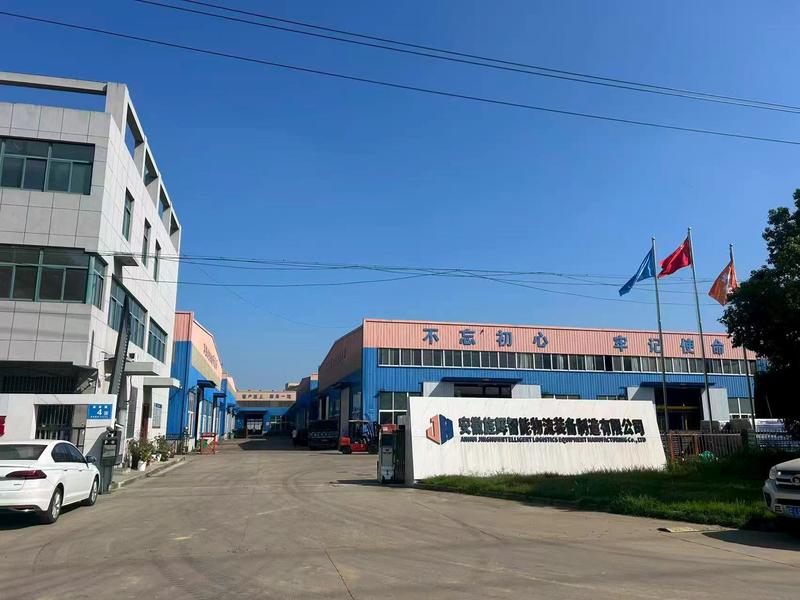
In-House Manufacturing Excellence
- Dedicated High-Grade Steel Sourcing: Direct strategic purchasing of cold-rolled coil steel with low-temperature impact guarantees from top-tier Chinese steel mills.
- Continuous Automated Roll-Forming: 16+ precision roll-forming production lines producing tear-drop, omega, and boxed upright profiles with zero micro-fracturing.
- Robotic Welding & HDG Galvanizing: Automated robotic welding arms deliver continuous fillet welds. Hot-dip galvanizing lines comply with strict ISO 1461 layer thickness tests (minimum 65 to 85 microns).
- Full Pre-Shipment Inspection: Rigorous dimensional tolerance, paint adhesion cross-hatch, and sample destructive load testing performed for every export container.
5. Frequently Asked Questions (FAQ) for Freezer Racking Procurement
Critical answers to help supply chain managers, warehouse developers, and procurement officers make informed sourcing decisions from China.
How does sub-zero temperature (-25°C) affect structural pallet racking steel?
At sub-zero temperatures, standard mild structural steel (such as Q235B) experiences a reduction in fracture toughness, increasing the risk of brittle fracture under sudden dynamic loads (e.g., a forklift bumping a rack column). For cold storage facilities operating below 0°C down to -30°C, IronMax utilizes specialized low-temperature high-strength steel grades (such as Q355D or Q355E) tested for Charpy V-Notch impact resistance. This guarantees the steel retains its ductility and energy absorption capacity without sudden structural failure.
Why is Hot-Dip Galvanizing (HDG) preferred over standard powder coating in freezers?
While high-quality powder coating works well in dry ambient warehouses, cold storage rooms experience frequent condensation cycles whenever warmer air enters through dock doors. This moisture can penetrate microscopic pinholes in powder coating, causing sub-surface rust that flakes off the paint. Hot-dip galvanizing creates a metallurgical zinc-iron alloy bond (minimum 65–85 µm thick) that acts as a sacrificial anode, offering self-healing corrosion protection even if scratched, ensuring a 25+ year operational lifespan inside high-humidity cold rooms.
Which racking system offers the highest return on investment (ROI) for cold storage?
For high-turnover operations with medium-to-large SKU batch sizes, Radio Shuttle Racking yields the highest ROI. It increases cubic storage utilization up to 85–90% while eliminating forklift entry into cold aisles. This drastically reduces refrigeration loss (less open door time), lowers forklift maintenance in sub-zero conditions, and increases pallet handling speed by over 40% compared to traditional Drive-In systems.
How do you prevent frost heave and thermal bridging under heavy rack baseplates?
Heavy point loads from rack uprights can transfer cold directly into the concrete sub-slab, causing moisture below the slab to freeze, expand, and crack the floor (frost heave). IronMax supplies specialized structural thermal isolation pads (made of high-density phenolic resin or reinforced polyurethane) installed directly beneath the galvanised rack baseplates, breaking the conductive thermal path and protecting the concrete floor structural integrity.
Can IronMax provide engineering design drawings from our building CAD file?
Yes. Our in-house engineering team provides complete 2D layout drawings, 3D structural visualizations, and detailed load calculations based on your warehouse CAD floor plan, clear building height, forklift lift capacity, and pallet load profiles. All designs adhere strictly to international structural standards including RMI, ANSI MH16.1, and FEM 10.2.02.
What is the typical production and export lead time for a freezer racking project?
Standard manufacturing lead time is 20 to 30 days following approval of engineering CAD drawings. Export container loading, custom export crating, and shipping documentation (Bill of Lading, Certificate of Origin, Mill Test Reports, CE/ISO certificates) are managed seamlessly by our dedicated logistics export team.
Optimize Your Cold Storage Footprint Today
Partner with China’s premier freezer pallet racking manufacturer. Contact our engineering team for free CAD layout design, structural load calculation, and factory-direct export pricing.